
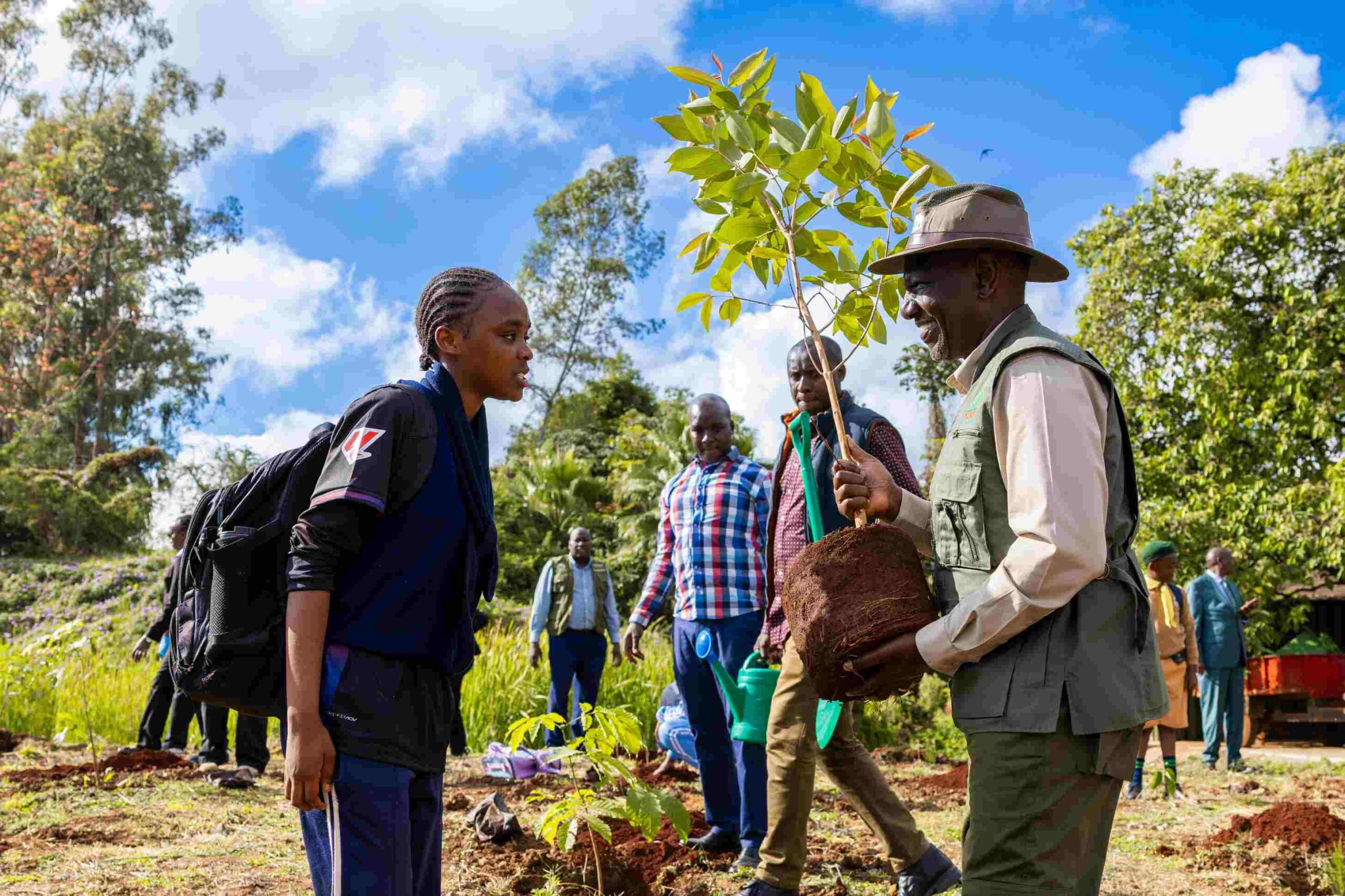
Kenya is preparing for a large-scale environmental campaign on Mazingira Day, with the government aiming to mobilise 200,000 people to plant six million trees within 60 minutes as part of efforts to expand forest cover and achieve its 15 billion-tree target by 2032.
The exercise, named the Green Challenge, is scheduled for Saturday, October 10, and forms part of Mazingira Week, which began on October 5.
The campaign is intended to encourage public participation in environmental protection while supporting efforts to restore damaged landscapes across the country.
The government announced the initiative as part of a wider set of environmental measures discussed during a Cabinet meeting chaired by President William Ruto on Friday.
According to a Cabinet despatch issued after the meeting, the government reaffirmed its commitment to growing trees, restoring ecosystems and taking action against climate change through a coordinated approach involving the entire government.
The one-hour challenge is expected to draw participants from different parts of the country, with the six million-tree target forming a key part of this year's Mazingira Day activities. The campaign also seeks to build momentum towards the national ambition of growing 15 billion trees by 2032.
Beyond the planned planting exercise, Cabinet reviewed measures aimed at recovering degraded land and improving the country's environmental conditions.
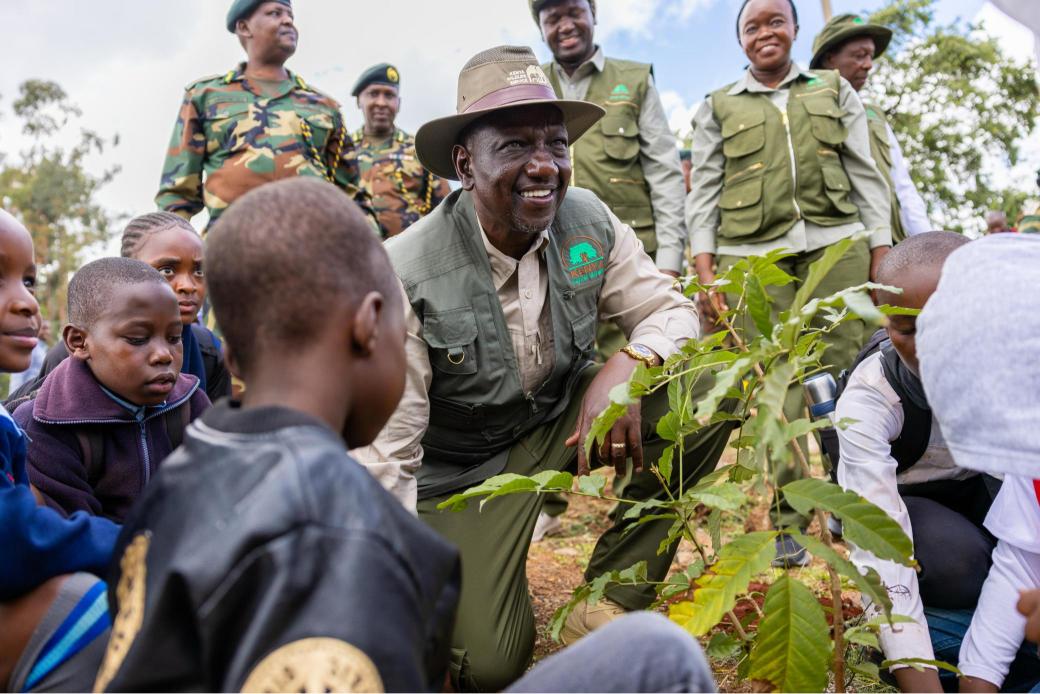
Among the initiatives considered was Phase III of the Green Zones Development Support Project, which seeks to restore 462,299 hectares of degraded landscapes.
The project is part of the government's broader efforts to rehabilitate damaged areas and support the recovery of ecosystems. Its review comes as the government pursues several measures to increase tree cover and improve the condition of affected landscapes.
Cabinet also approved additional funding for the Financing Locally-Led Climate Action Programme, which supports community-based climate investments in all 47 counties.
The programme aims to help communities respond to climate-related threats, including droughts and floods, by supporting locally designed projects focused on adaptation and resilience.
Through these initiatives, communities are expected to strengthen their ability to deal with climate shocks and respond to challenges that affect their livelihoods and surroundings.
The meeting also considered steps to improve the protection and restoration of mangrove forests, which help shield coastlines, support fisheries and provide livelihoods for people in coastal areas.
The proposed measures place mangrove conservation alongside tree growing and landscape rehabilitation as part of the government's wider environmental agenda.
The initiatives reflect the government's plan to increase tree cover, recover degraded ecosystems and improve Kenya's ability to cope with the effects of climate change.
The Green Challenge is expected to provide a public platform for advancing these efforts, while the landscape restoration project and locally led climate programme address wider environmental concerns across the country.
In a separate decision, Cabinet adopted the National Insurance Policy, 2026, which aims to make insurance services more affordable and accessible, especially for farmers, informal sector workers and small businesses.
The policy seeks to address Kenya's insurance penetration rate of 2.45 per cent through changes intended to strengthen consumer protection, improve regulatory oversight and promote fair practices within the industry.
It also proposes measures to combat insurance fraud, which is among the issues the policy seeks to address as the government looks to improve access to insurance services.
Expanding digital insurance services is another proposal under the policy, with the aim of reaching people who have limited access to existing insurance options.
The policy places particular focus on groups such as farmers, small businesses and workers in the informal sector, who are among the populations the government wants to reach through more accessible insurance services.
The insurance policy was among the decisions made during the Cabinet meeting, which also focused on environmental restoration, tree growing and measures to strengthen communities' resilience to climate-related risks.