
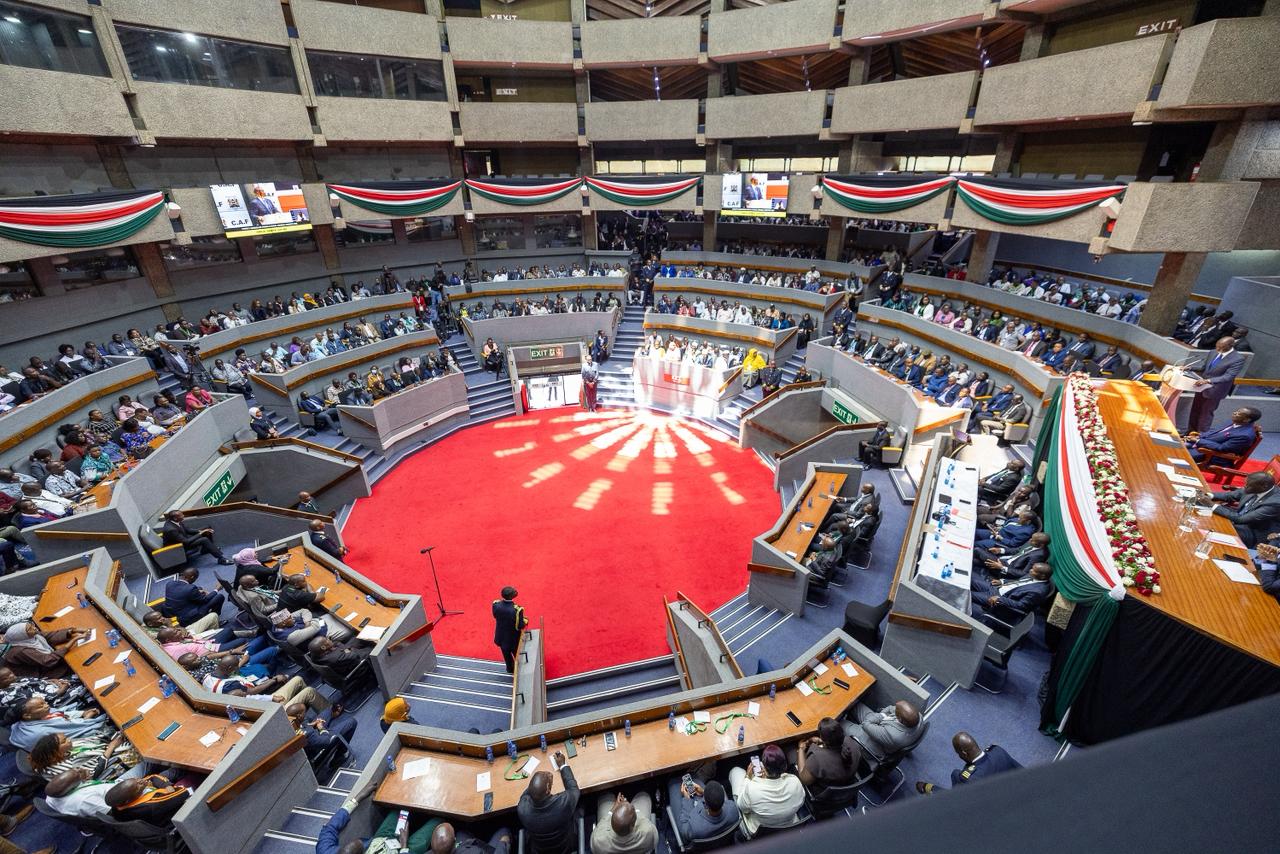
County assemblies in 45 counties are yet to take full control of their finances, despite a legal requirement for each devolved unit to establish a fund that would give the legislatures greater financial independence from governors.
Only Trans Nzoia and Marsabit had operationalised their County Assembly Funds by June 30, 2026, according to the latest Budget Implementation Review Report by Controller of Budget Margaret Nyakang’o.
The figures point to a slow rollout of a system that was introduced to strengthen the financial position of county assemblies and reduce their dependence on county executives for resources.
Trans Nzoia had approved Sh509.17 million for transfer to its County Assembly Fund, while Marsabit had transferred Sh890.46 million to its fund by the reporting date.
The other 45 counties had not completed the process, although they were at different stages of establishing their respective funds.
“Clerks of county assemblies should work with county executive committee members responsible for finance to fully operationalise County Assembly Funds by June 30, 2026,” Nyakang’o said in the report.
The situation has once again brought the relationship between governors and MCAs under scrutiny, particularly over who should have control of money meant to run county assemblies.
The County Public Finance Laws (Amendment) Act, 2025, changed the Public Finance Management Act to require the creation of a County Assembly Fund in each of the country’s 47 counties.
The law places administration of the fund under the clerk of the county assembly, a move intended to strengthen the legislature’s control over its financial affairs.
However, the slow implementation means that most county assemblies have yet to fully benefit from the financial structure provided for under the law.
The delay has also raised concerns about the influence county executives may have over the establishment and funding of the assemblies’ accounts.
The Public Finance Management Act requires county finance executives to establish funds within county governments. Since these officials are appointed by governors, the arrangement has raised questions about whether governors could benefit from delays in putting the County Assembly Funds into operation.
The issue is part of a wider and long-running struggle between county executives and assemblies over financial control and independence.
MCAs have often sought greater control over resources used to support the operations of county assemblies, while governors and their administrations have remained central to the management of county government finances.
Nyakang’o said counties need to move faster in implementing the new system to ensure assemblies achieve the financial independence intended by the law.
“County governments should develop clear disbursement schedules for transfers from the County Revenue Fund to the County Assembly Fund in their FY 2026-27 budget submissions,” Nyakang’o said.
The Controller of Budget’s report therefore puts pressure on counties to complete the establishment of the funds and put in place clear arrangements for transferring money into them.
With only Trans Nzoia and Marsabit having operationalised their funds by June 30, 2026, the vast majority of county assemblies remained in the process of setting up a financial structure intended to give them greater control over their own resources.