
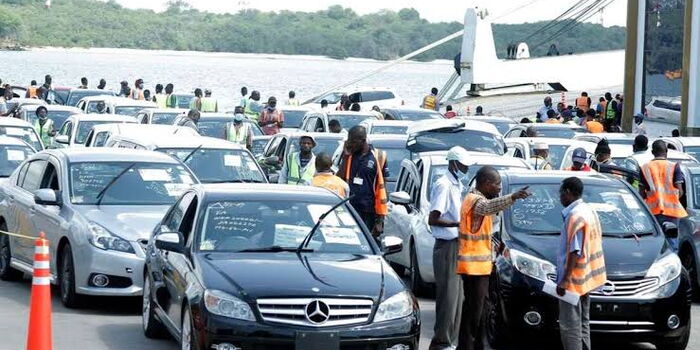
Motorists are filing more claims while the cost of repairing damaged vehicles continues to climb, leaving insurers with little room to make money from motor cover.
Fresh industry data now shows the business is becoming harder to sustain, with insurers paying out more in claims and operating costs than they collect in premiums, making motor insurance the biggest loss-making class in 2025.
The latest report by the Insurance Regulatory Authority (IRA) shows motor insurance posted a combined underwriting loss of Sh8.2 billion during the year, the highest among all insurance classes. The losses reflect the growing pressure facing insurers as claims, repair expenses and other operating costs continue to rise faster than premium income.
The report comes even as Kenya's insurance industry recorded another year of strong growth. Gross written premiums increased by 17.6 per cent to Sh464.72 billion, while total industry assets rose to Sh1.47 trillion.
Despite this growth, the performance of general insurance continued to be weighed down by motor insurance, which remains one of the most difficult business lines for insurers.
Motor insurance accounted for 27.1 per cent of general insurance premiums, making it the second-largest contributor after medical insurance, which made up 41.1 per cent. Even with its large share of the market, the business continued to record heavy underwriting losses.
Insurers continue to face growing accident-related claims, rising vehicle repair bills linked to inflation and the high cost of imported spare parts, insurance fraud, legal compensation costs and stiff competition that has kept premiums low even as operating costs increase.
General insurance as a whole also remained under pressure, recording an underwriting loss of Sh7 billion in 2025, compared to Sh5.2 billion the previous year.
IRA chief executive officer Godfrey Kiptum said motor insurance fraud remains one of the biggest challenges affecting the industry's financial performance despite the growth recorded across the sector.
“The industry’s combined ratio, which measures claims, commissions and operating expenses against earned premiums, climbed to 104.5 per cent, indicating insurers paid out more than they earned from underwriting before investment income was taken into account,” said Kiptum.
According to the report, six of the 13 general insurance classes posted combined ratios above 100 per cent, showing that insurers spent more on claims and operating expenses than they generated from underwriting those businesses.
Even with the continued underwriting losses, the insurance industry recorded a profit after tax of Sh33.07 billion. The strong financial results were supported by investment income rather than insurance operations.
Industry investments reached Sh1.31 trillion during the year, with government securities accounting for 73.1 per cent of the total investment portfolio. These returns have continued to cushion insurers against losses recorded in business lines such as motor insurance.
The IRA's April 2026 claims snapshot also shows that general insurance claims continue to take longer to settle than long-term insurance claims. Liability claims take an average of 29.6 months to settle after admission, while non-liability claims take about 4.5 months. Long-term insurance claims are settled much faster, taking an average of 1.6 months.