Ombudsman orders KU hospital to release body held over Sh750,346 bill
The case came to light when the deceased’s next of kin, identified as M.N., filed a complaint with the Ombudsman, alleging that the hospital refused to release the body due to the unpaid bill.
Kenyatta University Teaching, Referral & Research Hospital has released the body of a deceased patient, identified as W.K., four months after his death, following intervention by the Commission on Administrative Justice and support from the Kenya Medical Practitioners and Dentists Council.
The deceased’s family had been unable to settle an outstanding hospital bill of Sh750,346, which prompted the hospital to withhold the body since November 3, 2025, when W.K. passed away.
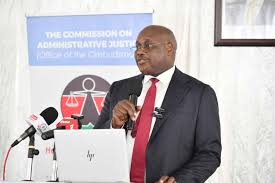
The case came to light when the deceased’s next of kin, identified as M.N., filed a complaint with the Ombudsman, alleging that the hospital refused to release the body due to the unpaid bill. The Commission immediately launched an inquiry with the hospital’s Chief Executive Officer, citing constitutional protections that guarantee human dignity and fundamental rights.
In its communication, the Commission highlighted that “Article 19 of our Constitution unequivocally recognises that the purpose of protecting human rights and fundamental freedoms is to preserve the dignity of individuals and communities, promote social justice, and realise the potential of all human beings.”
It also pointed to Article 20(1), which ensures that every person enjoys rights and freedoms to the fullest extent, and Article 21(1), which obligates the State and public institutions to uphold these rights.
The Ombudsman further emphasized that the right to dignity extends even after death under Article 28 of the Constitution. Section 137 of the Penal Code was also cited, which states that “whoever unlawfully hinders the burial of the dead body of any person… is guilty of a misdemeanour.”
The hospital defended its actions, noting that it is a public institution funded by taxpayers and operates under strict accountability standards. The CEO explained that while the hospital provides services under the Social Health Authority, any costs exceeding coverage limits fall on the patient or their family. However, the family of the deceased was indigent and had expressed the desire to give W.K. a dignified burial.
Following the Ombudsman’s ruling, the case was escalated to the Kenya Medical Practitioners and Dentists Council, which confirmed that detaining a body over unpaid medical bills is illegal. The Council clarified that “the position of the law is unequivocal: detaining a deceased body over outstanding bills is illegal.” It also noted that releasing the body does not prevent the hospital from pursuing lawful recovery of the debt through other channels.
After the directives, the hospital finally released W.K.’s body, allowing the family to proceed with burial arrangements. The deceased is scheduled to be laid to rest today, Friday, March 6, 2026, ending a four-month wait that sparked concerns over human rights and dignity.




Comments
Sign in with Google to comment, reply, and like comments.
Continue with Google