Heavy rains flood Amboseli Airstrip, flights suspended
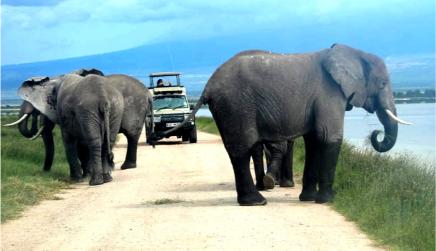
Tourists and operators have been advised to use the nearby Tawi Airstrip, located about five kilometres from the Kimana Gate, as an alternative. This facility will allow continued entry into the park while the main airstrip remains closed.
The Kenya Wildlife Service (KWS) has suspended all aircraft operations at Amboseli National Park’s main airstrip following heavy rainfall that has rendered the facility unusable. The closure is expected to last until the waters recede and the airstrip is inspected and confirmed safe for landings and take-offs.
In a notice issued on Monday, KWS said the flooding affected normal operations, forcing airlines, tour operators, and visitors to seek alternative access. The agency emphasised that the suspension is a safety measure to protect passengers, crew, and aircraft.
“As a result, aircraft operations to the main airstrip are temporarily suspended until conditions improve and the airstrip is deemed safe for landing and take-off,” KWS stated.
Tourists and operators have been advised to use the nearby Tawi Airstrip, located about five kilometres from the Kimana Gate, as an alternative. This facility will allow continued entry into the park while the main airstrip remains closed.
The main Amboseli Airstrip, situated at the centre of the park near KWS headquarters, is a 1,180-metre-long strip that handles daily scheduled flights from Wilson Airport and chartered services primarily by AirKenya Express and Mombasa Air Safari.
KWS said it is closely monitoring the situation and will provide updates once conditions improve. Visitors and tour operators have been urged to maintain regular communication with the agency for the latest information on airstrip status and weather conditions.
The advisory comes days after KWS warned park visitors about ongoing heavy rains, which have also affected roads across Kenya’s protected areas. The service urged motorists to follow ranger directions and posted signboards, avoid flooded routes, and exercise caution near rivers.
“Exercise caution as wildlife movement may increase during heavy rains,” the notice stated, noting the risks of wild animal encounters and the importance of vigilance. KWS said these steps are necessary to ensure public safety and maintain environmental protection.




Comments
Sign in with Google to comment, reply, and like comments.
Continue with Google