Safina Deputy Leader flags billions in discrepancies in e-Citizen platform audit findings
The audit issues he highlighted include an unconfirmed Sh3.7 billion cash balance and an unsupported Sh7 billion opening figure. He also pointed to Sh4.9 billion in misclassified receipts and Sh206 billion in transfer discrepancies, which he said could not be properly explained through available records.
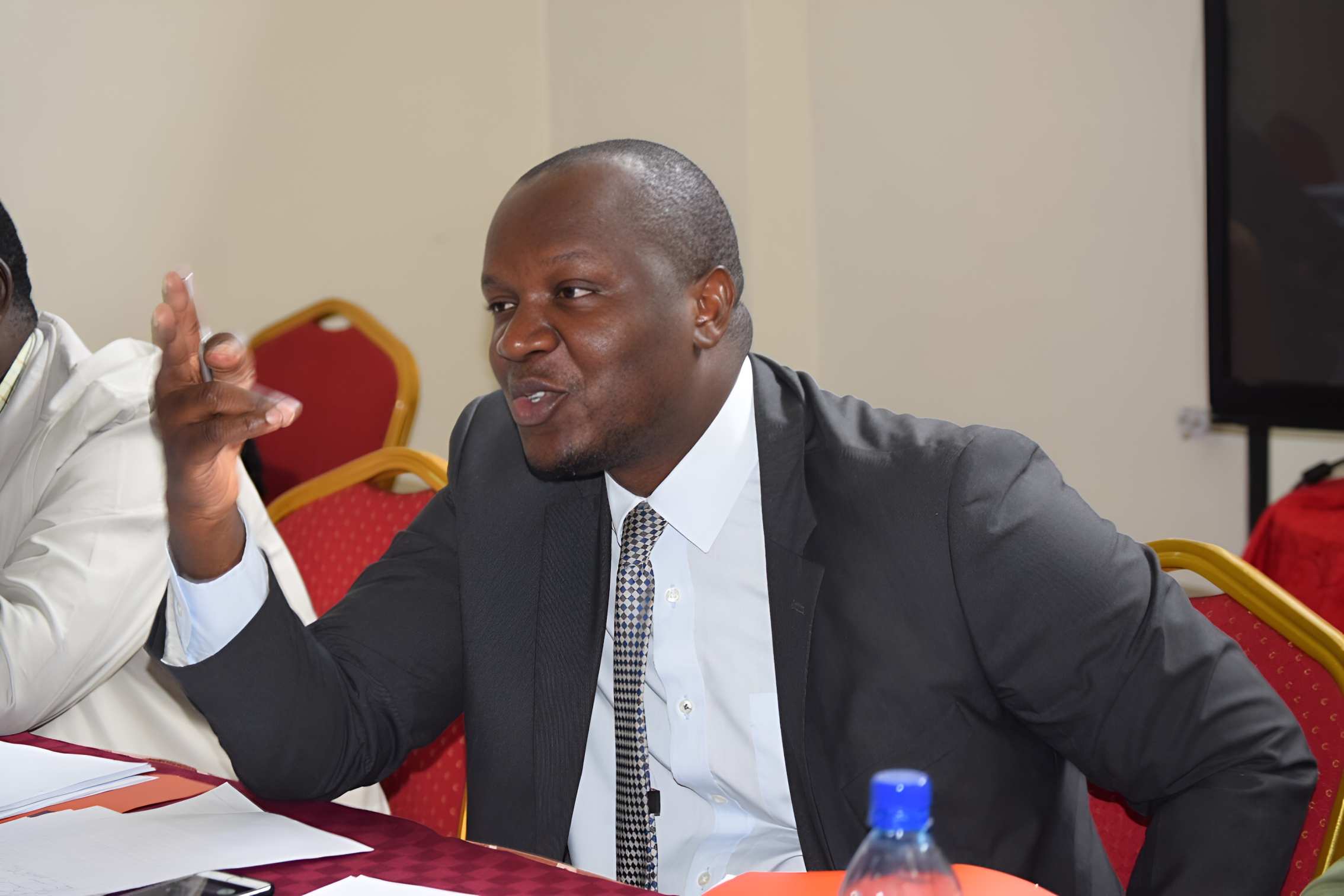
Safina Deputy Party Leader Willis Evans Otieno has raised concerns over the financial management and performance of the government’s digital services portal, pointing to audit findings that he says reveal wide gaps in records, unverified balances, and weak controls in public funds handling.
In remarks shared on his X account on Friday, Otieno said the latest Auditor-General’s report for the financial year ending June 2025 exposes what he termed deep problems in the running of the digital government services system. He said the findings point to “serious concerns about financial integrity, accountability, and value for money” in the management of the platform.
The audit issues he highlighted include an unconfirmed Sh3.7 billion cash balance and an unsupported Sh7 billion opening figure. He also pointed to Sh4.9 billion in misclassified receipts and Sh206 billion in transfer discrepancies, which he said could not be properly explained through available records.
According to him, there were also Sh618 million and Sh3 billion in unverified liabilities, alongside Sh299 million in revenue mismatches. He added that gaps in basic financial documentation, including missing cashbooks and bank reconciliations, made it difficult to confirm key balances recorded in the system.
The concerns come as scrutiny increases on the government’s digital services platform, e-Citizen, which was launched in 2014 as part of a national plan to shift public services online. The system was introduced after a 2013 directive requiring government payments and services to move to digital platforms, with the aim of reducing bureaucracy, limiting corruption, and improving efficiency in service delivery.
The platform brings together multiple government agencies under one portal, allowing citizens to access services such as passports, driving licences, business registration, and civil documentation through a single login and digital payment system. Over time, it has expanded to host thousands of services and process millions of applications, becoming a central access point for government services.
Otieno further claimed that there are differences between recorded figures and unremitted funds held across government accounts. He also raised concern over what he termed “unexplained discrepancies” in Sh206 billion worth of transfers to government entities, saying manual processes were still being used despite the system being designed for automation, a situation he warned could create room for errors and misuse of public money.
He added that questions also remain over liabilities recorded within the system, noting that Sh618 million and an additional Sh3 billion in payables could not be verified due to unclear variances in documentation and reporting.
On revenue collection, Otieno pointed to a Sh299 million mismatch linked to convenience fees in the Immigration department, saying this raised further doubts about the strength of reconciliation processes within the platform.
He also questioned the operational performance of the system, saying about 80 percent of services remain inactive even after Sh946 million was spent on onboarding government agencies onto the platform. He argued that this weak utilisation goes against the original purpose of the system, which was meant to improve access and speed up service delivery.
In addition, Otieno flagged procurement concerns, stating that Sh402 million was paid for support and maintenance services before formal contract approval. He described this as a sign of weak procurement controls and gaps in oversight.
Beyond the financial and operational issues, he said the audit findings reflect wider structural challenges in how large government digital systems are implemented and managed. He linked the concerns to broader questions about transparency, accountability, and efficiency in public service delivery.
He called for stronger oversight systems, better integration with national treasury reporting structures, and stricter enforcement of accountability rules to ensure public funds are properly tracked and used.
The remarks come at a time when Kenya’s digital governance systems continue to face closer public and institutional scrutiny, with growing debate on how effectively centralized platforms are managing revenue collection, service delivery, and financial reporting.



Comments
Sign in with Google to comment, reply, and like comments.
Continue with Google