Kenya calls for shift from raw mineral exports to value addition across Africa
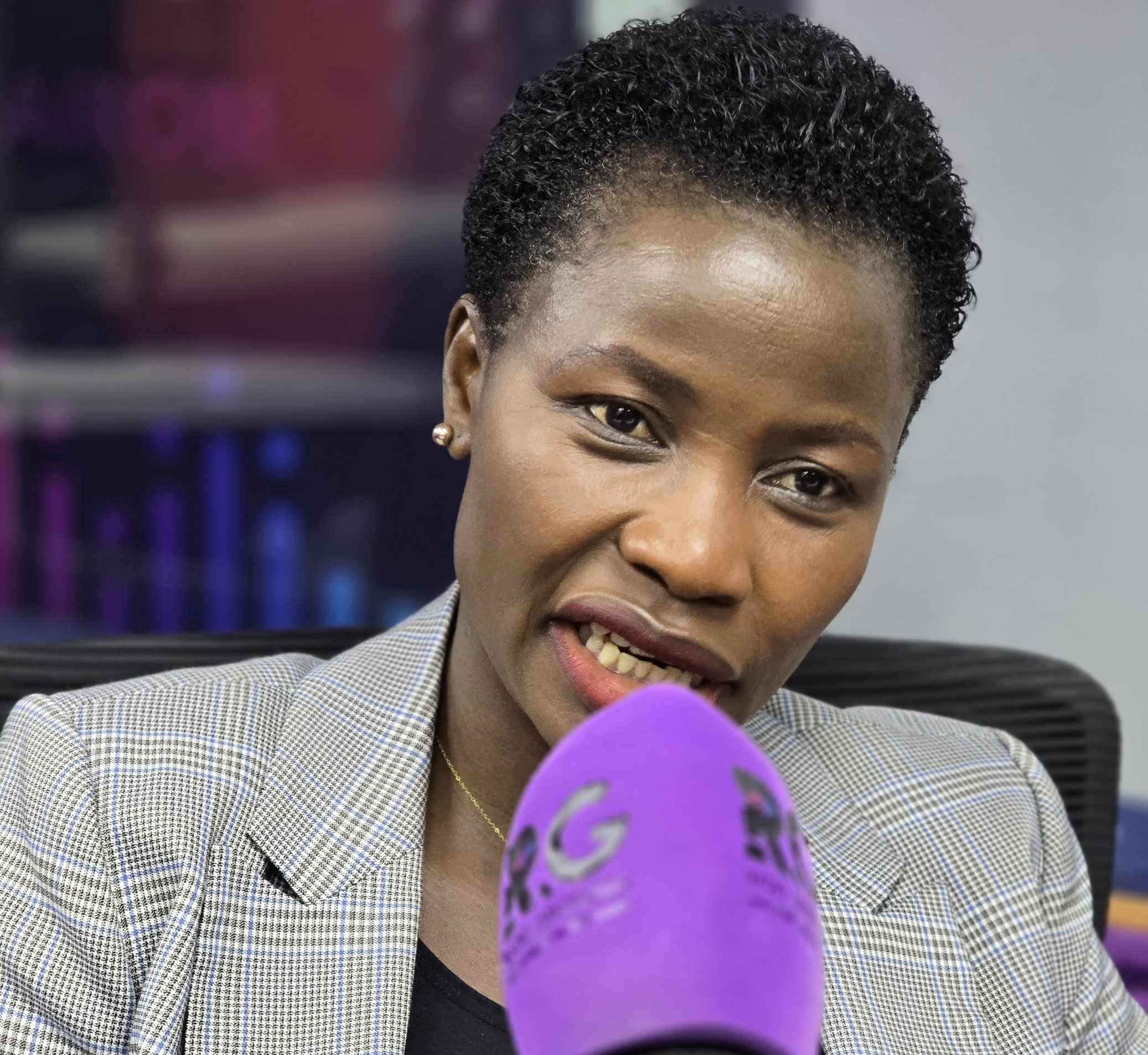
PS Mang'eni says Africa should turn critical mineral deposits into jobs and prosperity through local processing, MSME participation and formal support for artisanal miners, using blended finance and technology.
Africa’s vast reserves of critical minerals could redefine its economic future if the continent shifts from exporting raw materials to building local industries that create jobs and wealth, Principal Secretary for Micro, Small and Medium Enterprises Susan Auma Mang'eni has said, urging stronger investment in processing, small businesses and artisanal mining systems.
Speaking in Istanbul on Wednesday during a meeting hosted by Mathias Cormann, Secretary General of the Organisation for Economic Co-operation and Development, Mang'eni said Africa continues to lose out on the full value of its mineral wealth despite holding a large share of global deposits.
She pointed out that demand for critical minerals is rising quickly worldwide, especially as countries push for clean energy technologies, electric vehicles, battery production and expansion of digital infrastructure.
“The world is experiencing exponential demand in critical minerals, and there’s growing evidence of concentration of critical mineral deposits across the globe, with Africa accounting for a significant share,” she said.
Critical minerals including lithium, cobalt, graphite, nickel and rare earth elements are now central to global industrial growth and the green energy transition.
Mang'eni stressed that Africa’s main challenge is not lack of resources but the failure to turn them into real economic benefits for its people.
“The critical question in Africa is how to make these critical minerals work for its population,” she said.
She warned that for many years, the continent’s resource wealth has not translated into broad-based prosperity, describing a long-standing pattern of missed opportunity.
“For decades, minerals in the continent have been touted as a curse of abundance due to a lack of structured avenues for the resources to be translated into meaningful economic gains,” she said.
According to her, this situation has deepened social and economic problems across many countries.
“This has resulted in growing poverty levels, rising youth unemployment, and conflicts,” she added.
During the Istanbul discussions, Mang'eni focused on the role of micro, small and medium enterprises (MSMEs) in transforming Africa’s mining sector and ensuring wider public participation in the value chain.
“I amplified the role of MSMEs in the mining value chain and the need to mainstream artisanal mining as a priority value chain,” she said.
She noted that MSMEs dominate business activity across the continent and are the most effective channel for ensuring ordinary citizens benefit from mining investments.
“MSMEs constitute most businesses in Africa and hence form the entry point to most investment opportunities,” she said.
Mang'eni said unlocking this potential will require stronger policy support, better access to finance, and adoption of modern technology to boost productivity.
“Strengthening their capacity through technology, unlocking blended financing for them, and ensuring structured markets will unlock the value of our mineral deposits and drive value addition in Africa,” she said.
Blended finance refers to combining public, private and development funds to support projects that may otherwise struggle to attract investment on their own.
She also called for stronger recognition and formalisation of artisanal mining, which employs many people across Africa but often operates without regulation, access to finance or safe working conditions.
Mang'eni said Africa must take advantage of growing global demand by investing in refining, processing and manufacturing instead of relying heavily on raw mineral exports.
“The shift from exporting raw materials to processed and value-added products, as championed by our president, William Ruto, is the strategy Africa needs to fast-track economic growth,” she said.
She added that such a shift would ensure mineral wealth directly improves livelihoods across communities.
“It will make the critical minerals endowment contribute to the improvement of our people’s livelihoods,” she said.
Mang'eni said the current global demand cycle presents a major opportunity for Africa to reposition itself, provided governments, investors and local enterprises work together to strengthen value chains and industrial capacity.
She maintained that with the right reforms, Africa’s mineral wealth can move from being a source of missed opportunity to a driver of jobs, enterprise growth and long-term industrial development.




Comments
Sign in with Google to comment, reply, and like comments.
Continue with Google