Kenya sets path to formalise traditional medicine in national healthcare system
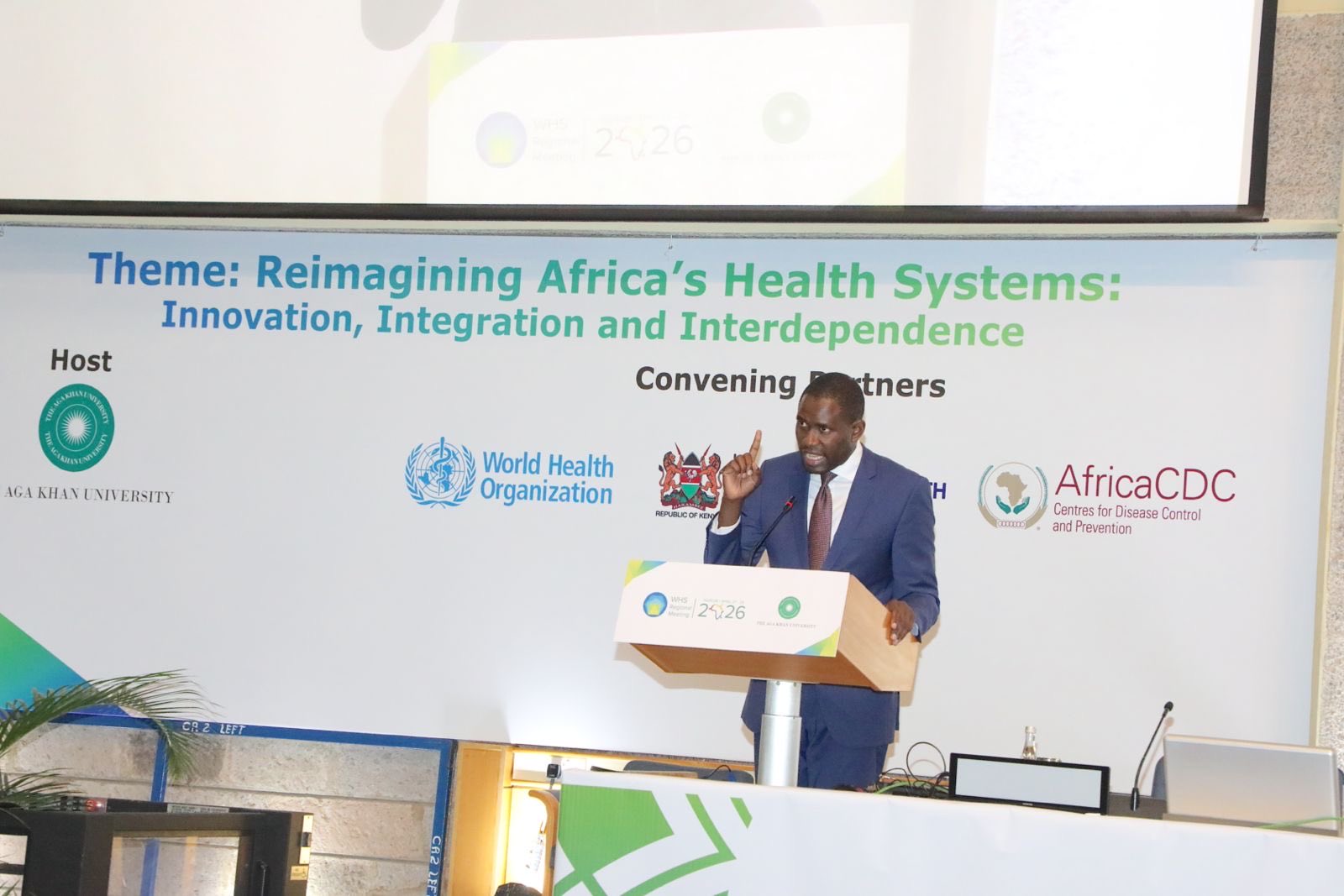
Kenya says it will integrate traditional and complementary medicine into its national health system to strengthen primary healthcare and universal health coverage. Dr Ouma Oluga said the approach will use policy, regulation, quality assurance and referral linkages.
Kenya is moving to formalise the place of traditional and complementary healing within its public healthcare system, in a policy shift aimed at widening access to treatment and strengthening frontline health services as the country pushes toward universal health coverage. The announcement was made on Wednesday during a side session at the World Health Summit Regional Meeting 2026, where health officials outlined how indigenous medical practices will be structured into the national system.
Medical Services Principal Secretary Ouma Oluga said traditional medicine continues to serve as the first option for a large share of communities across sub-Saharan Africa, especially where access to hospitals is limited.
“Traditional medicine remains the first point of care for up to 80 per cent of communities in sub-Saharan Africa,” he said, describing it as accessible, affordable and culturally accepted.
He explained that this reality makes it an important entry point for healthcare delivery at community level, particularly in rural and underserved areas.
According to him, Kenya is already setting up structures to bring traditional medicine into the formal system through regulation, policy direction, standard setting and safety checks to protect patients.
He said the goal is to ensure that traditional medicine is not used in isolation but becomes part of a coordinated health system.
“Traditional medicine is central to community-level care,” he said, adding that the government is working to ensure its safe and effective inclusion within the formal health system.
A key guiding tool in this process, he noted, is the Traditional Medicine Policy, which is expected to support safe and evidence-based use, especially at the primary care level.
He added that the framework also promotes closer cooperation between modern health workers and traditional practitioners, with improved referral systems and shared working approaches.
Oluga further stressed the importance of research in building trust and improving outcomes in traditional therapies.
“Partnerships with academic and global institutions will be critical in building a strong evidence base and driving innovation,” he said.
He also called for structured training programmes, certification systems for practitioners, and stronger regional coordination to ensure consistent standards across countries.
The Principal Secretary urged development partners to support funding for implementation, noting that financing remains key to turning policy into action.
He linked Kenya’s direction to global health efforts, saying the plan is aligned with the World Health Organization Traditional Medicine Strategy 2025–2034, which promotes safe, people-centred integration of traditional healing systems.
The approach builds on commitments made during the Second WHO Global Summit on Traditional Medicine, where Kenya joined other African nations in supporting stronger recognition of traditional health systems.
Officials say the planned integration is expected to expand access to care, especially in hard-to-reach areas, while ensuring safety, regulation and stronger scientific grounding for traditional practices within the national health framework.




Comments
Sign in with Google to comment, reply, and like comments.
Continue with Google