UN chief warns Strait of Hormuz disruption could push world toward recession
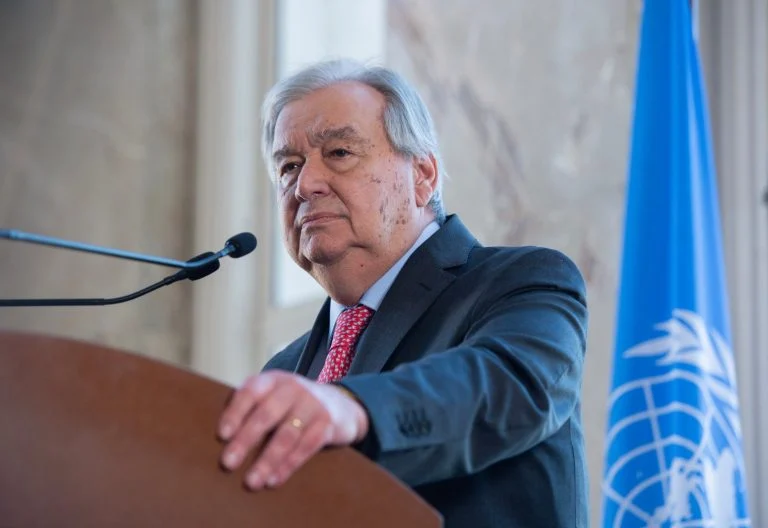
UN Secretary-General António Guterres warns that curtailments to navigation in the Strait of Hormuz are disrupting energy, transport, manufacturing and food systems. He outlines scenarios that could raise inflation, cut growth and increase poverty and hunger.
The United Nations Secretary-General António Guterres has raised alarm over ongoing disruptions affecting navigation in the Strait of Hormuz, warning that restrictions in the key waterway are already shaking global energy flows, transport systems and food supply chains, with ripple effects being felt across economies worldwide.
He said the situation is putting pressure on trade routes that many countries depend on, warning that continued disruption could slow economic activity, push up prices and deepen hardship in vulnerable regions.
On his X account shared on April 30, he expressed concern over the situation and its wider impact on global stability.
“I’m deeply concerned about the curtailment of navigational rights & freedoms in the area of the Strait of Hormuz disrupting energy, transport, manufacturing & food markets & strangling the global economy. All of humanity is paying the price.”
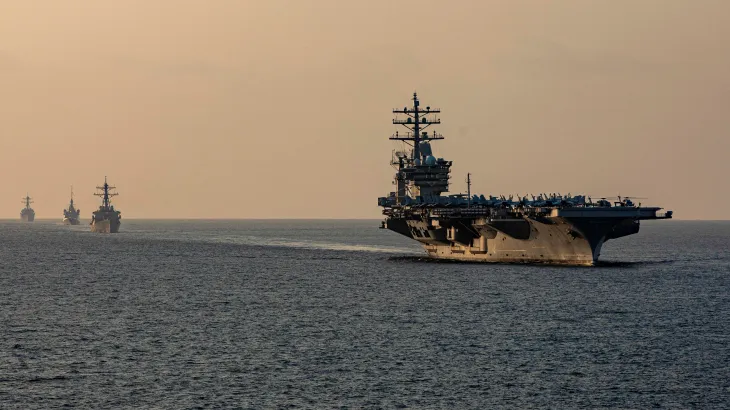 Ships along the Strait of Hormuz. PHOTOS/Al Jazeera
He warned that the global economy could follow three possible paths depending on how long the disruptions continue, with each scenario showing a worsening impact on growth, inflation, poverty and hunger.
Under the first scenario, if restrictions are lifted immediately, supply chains would still take months to stabilise. During this period, global output would remain weak and prices would stay high. Global economic growth would fall from 3.4% to 3.1%, while inflation, which had been easing, would rise from 3.8% to 4.4%.
In the second scenario, if disruptions continue through midyear, the impact would deepen. Global growth would drop further to 2.5%, while inflation would climb to 5.4%, reflecting growing pressure across markets.
The UN warns that under this situation, about 32 million people could be pushed into poverty. At the same time, shortages of fertilisers and lower agricultural yields could weaken food production. An additional 45 million people could face extreme hunger as food systems come under strain.
The third scenario presents the most severe outlook, where disruptions last until the end of the year. In this case, global inflation could rise above 6%, while economic growth could fall to 2%, creating conditions that could push the world toward a recession.
Guterres warned that such a situation would lead to serious human suffering, especially among vulnerable populations, as rising costs and weakened economies reduce access to basic needs.
He cautioned that the world could face the spectre of a global recession with dramatic impacts on people economies and political and social stability.
According to him, the disruptions are already affecting interconnected sectors, including energy, transport, manufacturing and food markets, showing how quickly instability in one region can spread across the global system.
The UN chief said that the cost of the ongoing situation is being felt worldwide, stressing that no region is insulated from the effects of rising prices, slowing growth and increasing food insecurity.
He noted that global supply chains are tightly linked, meaning even partial disruption in key shipping routes like the Strait of Hormuz can quickly affect fuel prices, shipping costs and food availability across continents.
The warning highlights how prolonged instability in the area could deepen global economic pressure, particularly for countries that rely heavily on imports of fuel and food.
Guterres has called for urgent attention to stabilise the situation to prevent further deterioration of global conditions, stressing that prolonged disruption could push already fragile economies into deeper strain.
He reiterated that all regions are affected, saying that the current situation shows how interconnected the world economy has become, where disruption in one critical passage has far-reaching effects.
The UN chief said the world is paying the price for the continued disruption, with rising costs and worsening living conditions already being felt in many countries.
The outlook, he warned, serves as a reminder of how quickly geopolitical tensions in strategic maritime routes can translate into economic instability, higher inflation and increased hardship for millions globally.
Further developments are expected to shape global economic stability in the coming months as the situation in the Strait of Hormuz continues to unfold.



Comments
Sign in with Google to comment, reply, and like comments.
Continue with Google