Funding cut hits child protection as abuse cases rise
According to the report, total national government expenditure on social services is projected to fall to Sh67.2 billion in the 2025/26 financial year, down from Sh74.0 billion in the previous year. The drop is mainly linked to reduced recurrent spending in the State Department for Social Protection and Senior Citizen Affairs.
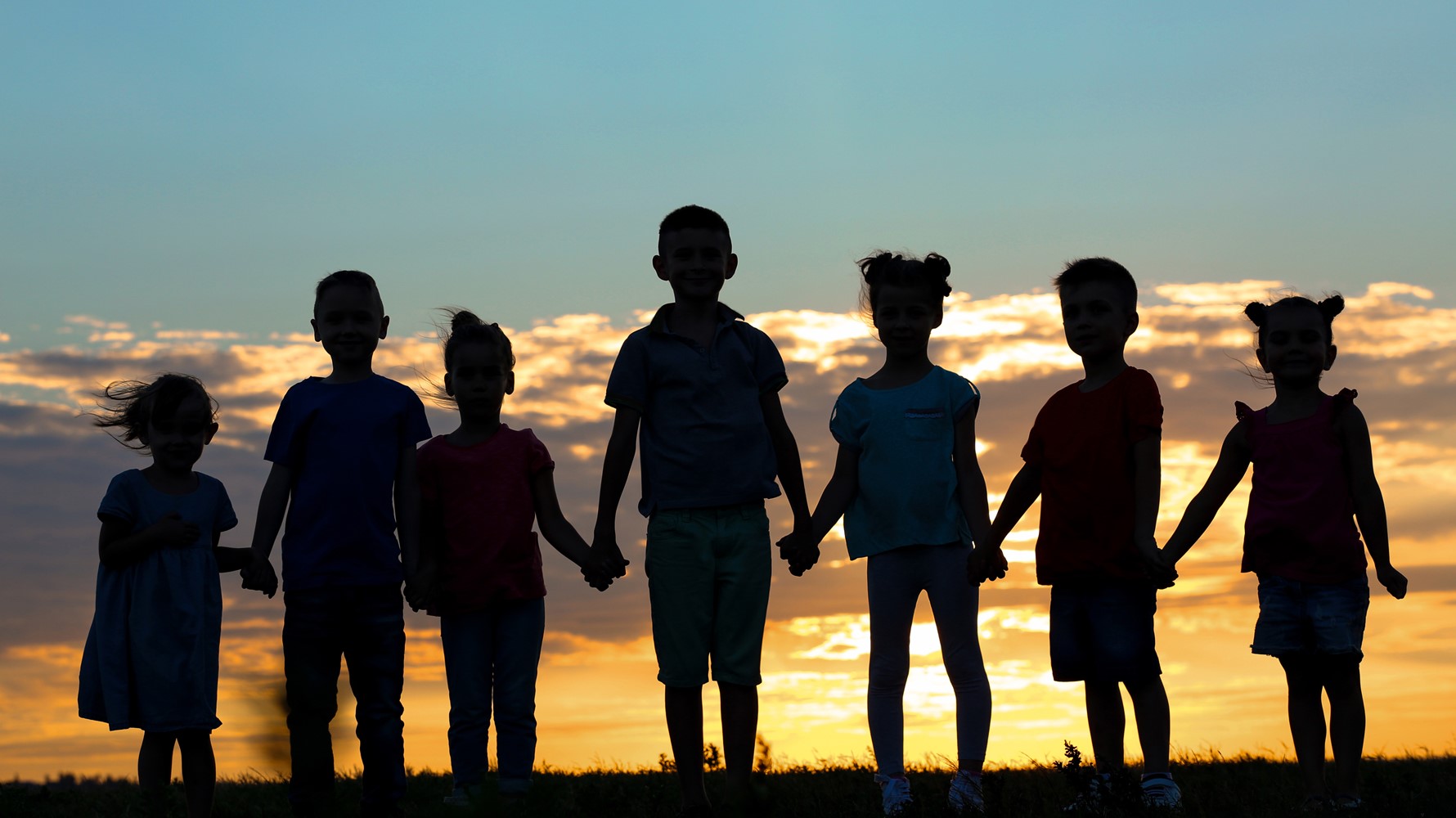
Funding for social services has been reduced even as cases of child abuse, trafficking and neglect continue to rise, exposing growing pressure on systems meant to protect vulnerable children.
The findings are contained in the Economic Survey 2026 released on Wednesday by the Kenya National Bureau of Statistics, which shows that spending on social protection has dropped despite increasing demand for child welfare services.
According to the report, total national government expenditure on social services is projected to fall to Sh67.2 billion in the 2025/26 financial year, down from Sh74.0 billion in the previous year.
The drop is mainly linked to reduced recurrent spending in the State Department for Social Protection and Senior Citizen Affairs.
The survey indicates that although some empowerment programmes targeting vulnerable groups continue to receive support, the overall budget for social welfare has been scaled back.
“Kenya is committed to advancing social and economic inclusion through targeted interventions that address inequality and vulnerability across all population groups,” the survey states.
“These efforts collectively contribute to improved livelihoods and more balanced development outcomes.”
Even with that commitment, the data shows rising strain on child protection systems. Child protection cases increased by 12.2 per cent to reach 200,669 in 2025.
Cases of violence against children rose to 145,345, while reported child trafficking incidents climbed to 2,322. The number of children in need of birth registration services also crossed 1,000 for the first time since the survey began.
The report further shows a shift in trends involving children in conflict with the law. While the overall number declined, the share of girls among those cases increased, pointing to changing patterns rather than a full drop in incidents.
It notes that many cases of abuse may go unreported, suggesting the situation could be more severe than the data shows, and placing additional pressure on already stretched institutions.
At the same time, the number of refugees and asylum seekers in the country rose to 835,793, with nearly half being children. Most are hosted in Dadaab and Kakuma camps.
The report links the increase to renewed registration activities in Dadaab after a period of suspension. Although the rise stands at 1.4 per cent, the continued presence of a large refugee population is adding pressure on social services, education and health systems.
The survey also highlights slow progress in gender representation in leadership. Women make up 34.0 per cent of county assembly members, a slight increase from 33.5 per cent in 2024.
Representation stands at 31.3 per cent in the Senate and 23.6 per cent in the National Assembly.
Only three in 10 heads of diplomatic missions are women, and no woman currently serves as Speaker in either House of Parliament.
At the county level, the number of female governors has dropped to six, while women account for just 12.8 per cent of county secretaries.
The report notes that these figures remain below constitutional requirements on gender balance in public offices.



Comments
Sign in with Google to comment, reply, and like comments.
Continue with Google