Probe begins after suspected toxic inflow reaches Nairobi National Park
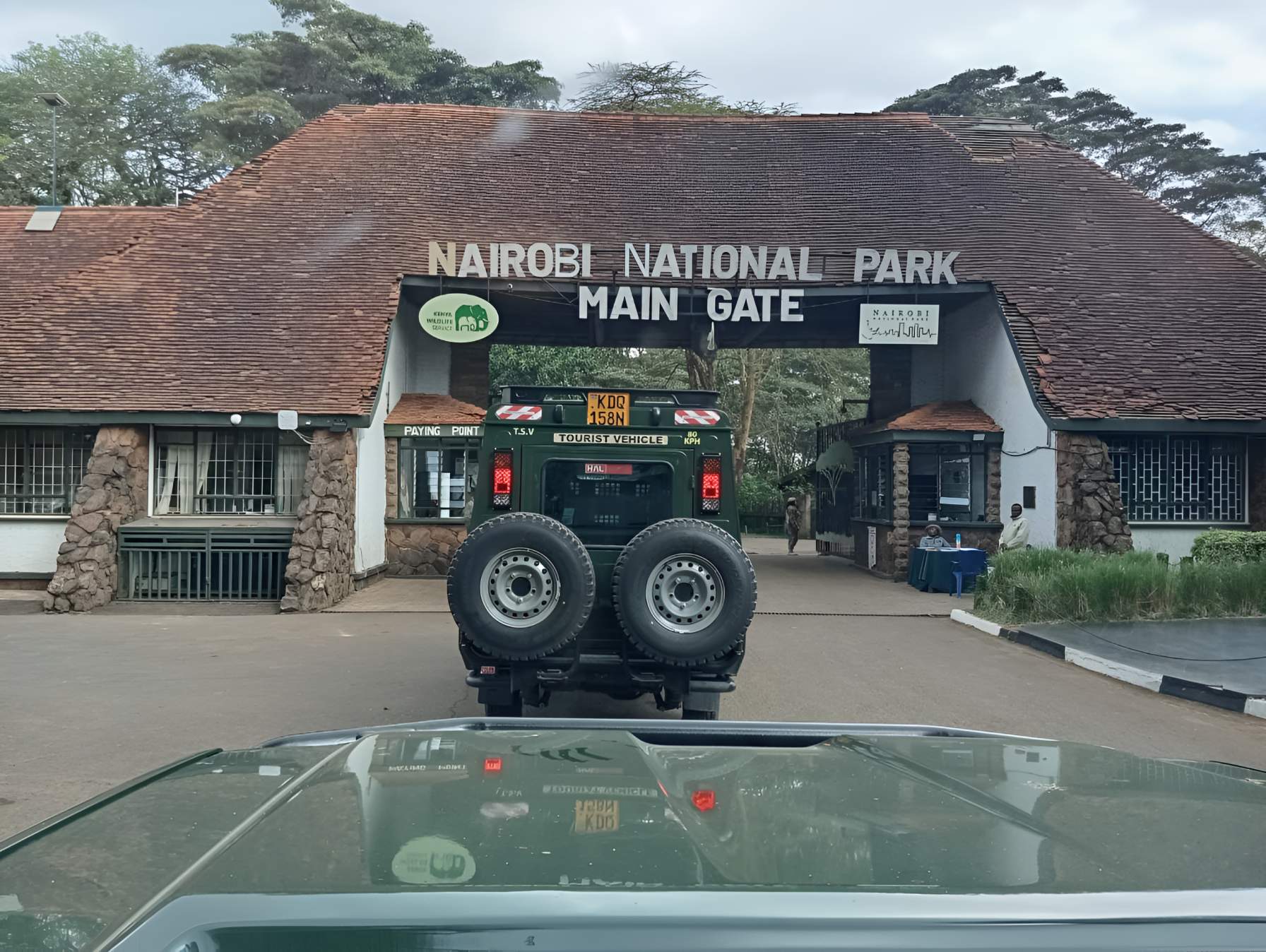
Kenya Wildlife Service says it detected abnormal foamy water inflows on April 30 and has started water sampling and enforcement. The suspected contamination enters via the Mlolongo Athi Dam ecosystem, threatening rivers and downstream communities.
A suspected pollution incident has triggered urgent checks after unusual water believed to contain chemicals was seen flowing into Nairobi National Park, raising fears over the safety of rivers, wildlife and people who depend on the affected system.
The Kenya Wildlife Service (KWS) said the alert was raised on the morning of April 30 when officers noticed abnormal inflows entering the park through the Mlolongo–Athi Dam catchment. The water appeared foamy, with a steady flow and unusual colour, prompting immediate concern and a swift response.
In a statement released Thursday, the agency said the inflow showed “white, effervescent bubbles, continuous flow and unnatural coloration consistent with possible chemical contamination”.
KWS warned that the drainage feeds into the Mbagathi and Athi rivers, meaning any confirmed pollution could spread to Athi Dam and further downstream, affecting ecosystems and communities that rely on the water for farming, livestock and daily use.
Officials said there is a risk to aquatic life as well as people living along the river system. They noted that such contamination, if present, could disrupt biodiversity and impact water quality across a wide area.
Preliminary observations suggest the runoff may have passed through nearby industrial areas, including zones around Orbit Chemical Industries Ltd, though KWS emphasised that investigations are still ongoing and no source has been identified.
To manage the situation, KWS has rolled out a coordinated response involving several state agencies. The effort includes collecting samples, laboratory analysis and tracking the path of the discharge upstream. The agency is working with the National Environment Management Authority (NEMA) and the Water Resources Authority (WRA) to determine the scale of the problem and who may be responsible.
Authorities are also reviewing possible ways to contain the suspected pollutants to prevent them from spreading into protected habitats and other water channels.
The park, located next to the capital, supports a wide range of animals such as lions, rhinos, giraffes and buffaloes. Its rivers and wetlands are key to sustaining wildlife, especially during dry seasons when water sources become limited.
KWS cautioned that any compromise of these water systems could affect both aquatic species and land animals that depend on them for survival.
Residents have been advised to avoid the affected water bodies until further notice. The agency urged the public to “refrain from fishing or using water from impacted sections” and to report any unusual changes in water conditions or signs of distressed wildlife.
The incident adds to long-standing concerns about pollution in areas around Nairobi, where industrial growth and urban expansion often overlap with natural ecosystems and river systems.
KWS issued a warning to companies operating within the catchment, stating that dumping untreated waste or harmful substances into the environment is against the law. It said offenders would face “strict enforcement action, including prosecution, fines, closure of facilities, and liability for environmental restoration”.
The agency said it will take firm action against any party found responsible once the investigations are complete.
For those living downstream, the key concern remains whether the suspected contamination has already reached water sources used for farming, livestock and household needs.
Results from laboratory tests are expected to guide the next course of action, including whether clean-up efforts or additional public advisories will be required.
KWS did not give a timeline for the probe but said the matter is being handled as a priority due to the possible impact on both human and animal life.
The situation also draws attention to the pressure facing Nairobi National Park, which sits alongside expanding infrastructure, industries and settlements. Conservation groups have often warned about the risks posed by pollution and encroachment on such ecosystems.
For now, KWS says its focus is on tracing the origin of the discharge, limiting any harm and protecting one of the country’s key conservation areas.




Comments
Sign in with Google to comment, reply, and like comments.
Continue with Google