KNBS: Deaths rise to 217,601, with men accounting for 121,991 cases
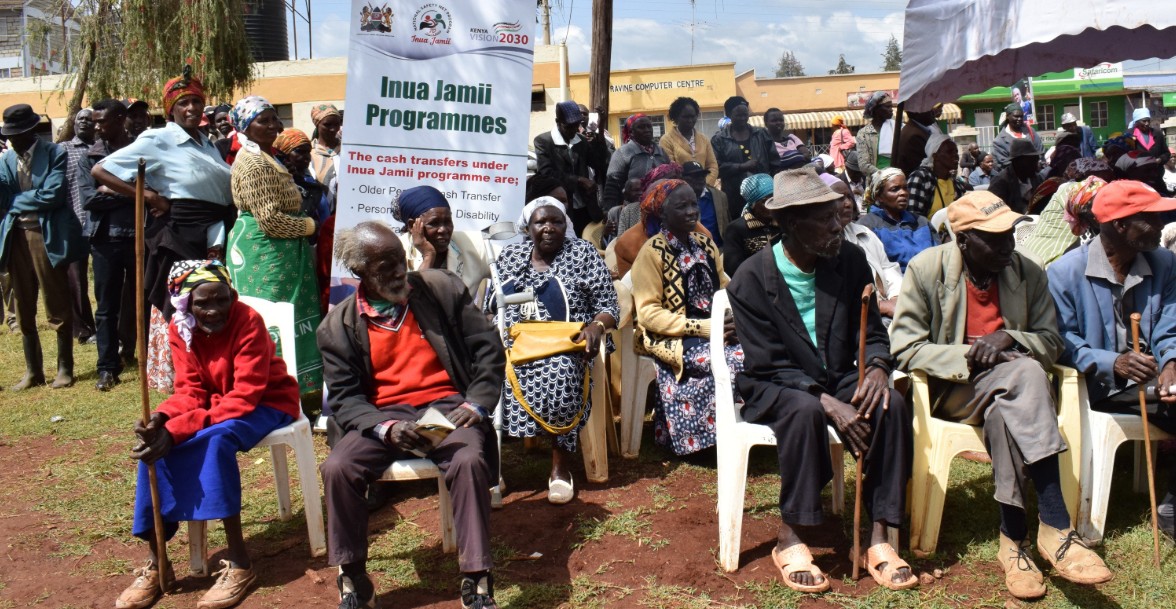
The report highlights a sharp increase among people aged 75 years and above, where deaths rose from 49,583 in 2024 to 83,465 in 2025, making it the most affected age category.
Kenya’s latest mortality figures show a clear rise in deaths across the country, with men consistently recording more deaths than women in most age groups, while deaths among older people climbed to record levels.
Data from the Kenya National Bureau of Statistics shows that total registered deaths rose to 217,601 in 2025, compared to 206,417 in 2024. Of these, 121,991 were male while 95,609 were female, confirming a continued gap in mortality between the sexes.
The report highlights a sharp increase among people aged 75 years and above, where deaths rose from 49,583 in 2024 to 83,465 in 2025, making it the most affected age category.
Within the same group, male deaths increased from 23,273 to 42,031, while female deaths went up from 26,310 to 41,434 over the same period.
"Kenya recorded 217,601 registered deaths in 2025, up from 206,417 the previous year," KNBS stated.
The statistics agency noted that men continued to record higher deaths across most age brackets, a pattern that has remained consistent in national data.
“In 2025, male deaths exceeded female deaths across most age groups,” KNBS said in its latest mortality report.
Among children, the lowest death figures were recorded in the five to 14 age group, which dropped slightly from 6,366 in 2024 to 5,893 in 2025.
Infant deaths also remained relatively low, with 20,249 deaths recorded among children under one year.
In the working-age population, men continued to record higher deaths than women, a trend linked to workplace exposure, lifestyle-related illnesses and delays in seeking medical care.
For example, in the 35 to 44 age group, male deaths stood at 14,486 compared to 9,171 female deaths.
In the 45 to 54 bracket, male deaths reached 14,895 while female deaths stood at 9,177.
Across all age groups, men consistently recorded higher mortality numbers, widening the gender gap in deaths.
The report suggests that the rise in deaths among older people may be linked to Kenya’s growing elderly population, increasing cases of chronic illnesses and improved registration of deaths.
While lower deaths among children point to progress in child health services, the rise in elderly mortality presents a growing challenge for the health system.
The findings point to the need for stronger elderly care services, better management of long-term diseases and targeted health interventions for men, who continue to record higher mortality rates.
Overall, the data shows a shifting health pattern in the country, where ageing and chronic conditions are increasingly shaping death trends.




Comments
Sign in with Google to comment, reply, and like comments.
Continue with Google