
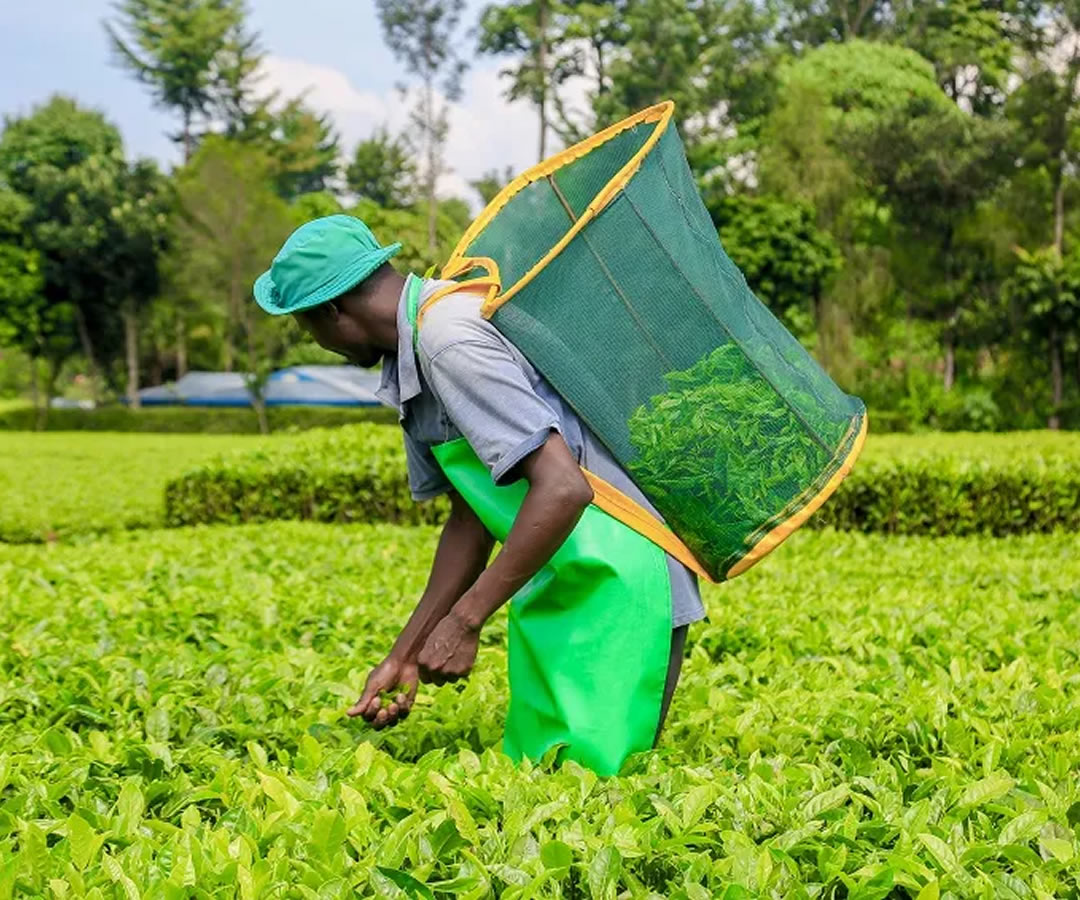
Kenyan tea exporters are preparing to return to Sudan after the country reversed a trade ban that had shut them out of one of their biggest traditional markets, restoring access to annual business estimated at Sh9 billion.
The breakthrough came after sustained diplomatic efforts to resolve the dispute, with top security officials from both countries holding talks as Kenya pushed for the removal of restrictions on its tea.
The outcome was formalised on November 8, 2026, through Ministerial Order No. 25 of 2026 issued by Sudan’s Ministry of Industry and Trade and signed by Minister Mahasin Ali Yaqoub.
In the order, titled Lifting of the Ban on Tea Imports from Kenya, the Sudanese government revoked the restrictions and instructed relevant authorities to give effect to the decision. The directive became effective immediately upon signing.
The latest development followed a series of approvals by Sudanese authorities, beginning with the Sovereignty Council's letter of November 2, 2026, followed by a Cabinet communication issued three days later on November 5.
Sudan introduced the import restrictions in March 2025 at a time when diplomatic relations between Nairobi and Khartoum had deteriorated, cutting off Kenyan exporters from a market that had consistently bought large quantities of the country's tea.

Before the ban, Sudan was purchasing approximately 35 million kilogrammes of Kenyan tea every year, with the shipments generating an estimated US$70 million (Sh9 billion).
The suspension dealt a heavy blow to exporters who had already committed substantial volumes to the market. At the time imports were stopped, tea consignments worth more than US$24 million (Sh3.1 billion) were either on their way to Sudan or waiting to be shipped.
The disruption also affected operations at the Port of Mombasa, where 207 forty-foot containers carrying tea were left stranded as traders struggled to find a way to move their cargo following the restrictions.
With the ban now lifted, Kenyan exporters have an opportunity to reconnect with Sudanese buyers and resume supplies to a market that had been an important destination for locally produced tea.
The return of Sudan as an export destination could also provide relief to farmers and businesses involved in the tea trade. Smallholder growers, processors, transporters and exporters stand to benefit from renewed business if shipments gradually return to previous levels.
Kenya's tea industry depends on overseas buyers to sustain demand, support the livelihoods of farming communities and bring in foreign exchange. Restoring access to Sudan therefore removes one of the trade obstacles that had affected the sector since last year.
The decision also highlights the role of diplomatic engagement in resolving trade disputes that can have far-reaching consequences for businesses and agricultural producers.
For now, the lifting of the ban provides the formal authorisation needed for imports to restart, giving Kenyan traders an opportunity to recover business lost during the period of restrictions.