Parents fear new education funding plan could shift costs to families
The National Parents Association asked Parliament to give parents’ associations formal recognition in law and establish a dedicated fund to support their work.
According to the audit report for the year ended June 2024, NEMIS recorded 2,099 students at the school in September 2023, compared with 2,062 in the institution’s physical records.
The union is also calling for action on the proposed 2026 Career Progression Guidelines, which it says have faced delays in approval and budgeting by the Salaries and Remuneration Commission.
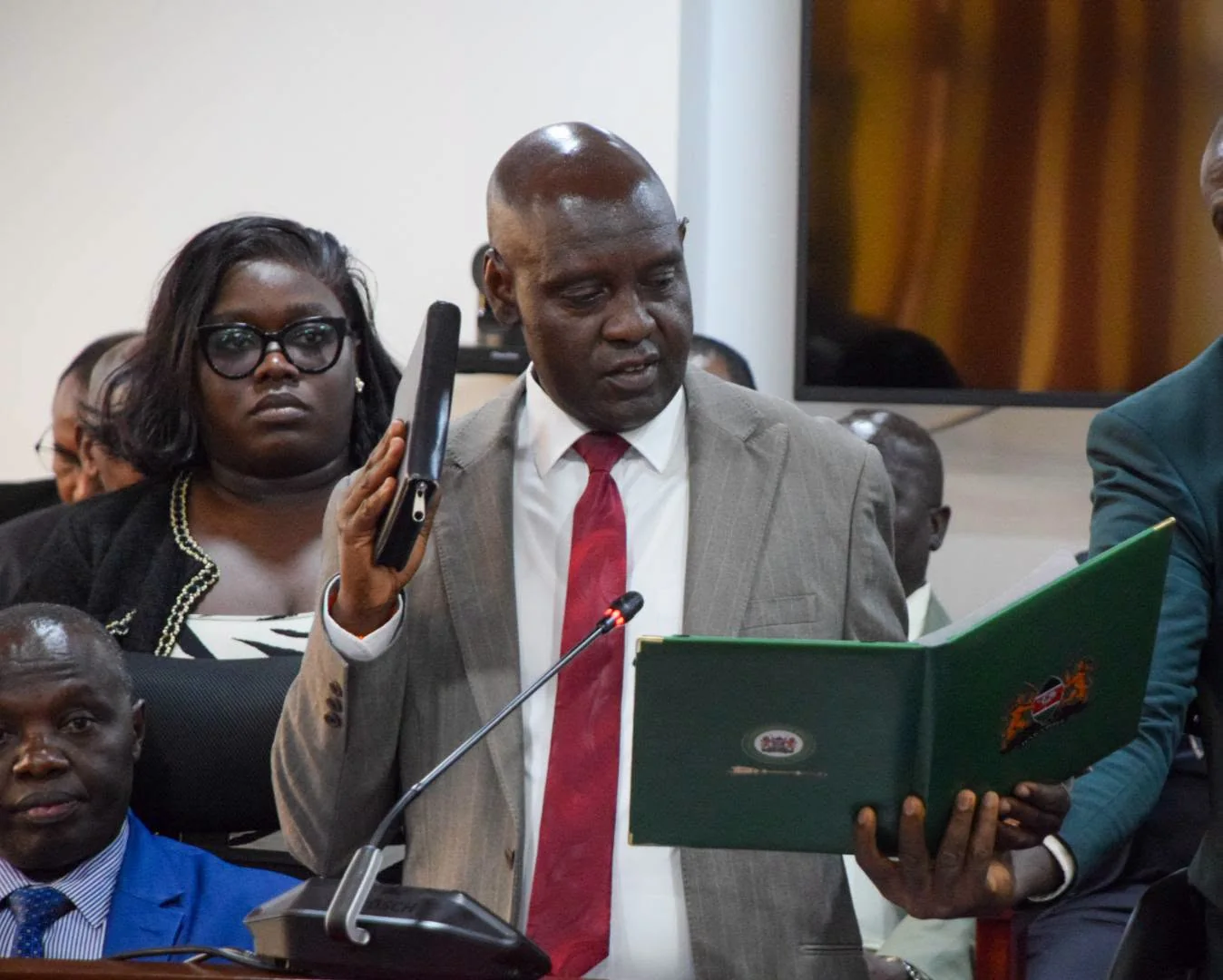
The Public Accounts Committee (PAC) raised concerns that learner enrolment figures in the National Education Management Information System (NEMIS) may not have been verified before education capitation was disbursed, citing issues in the Auditor-General’s 2023/2024 report. The Ministry says it will replace NEMIS with KEMIS and says capitation is ba
According to the National Assembly’s Public Investments Committee on Governance and Education, the first hearings will involve Category C1 schools, formerly national schools, because they receive government capitation, collect fees from thousands of learners and oversee infrastructure projects worth millions of shillings.
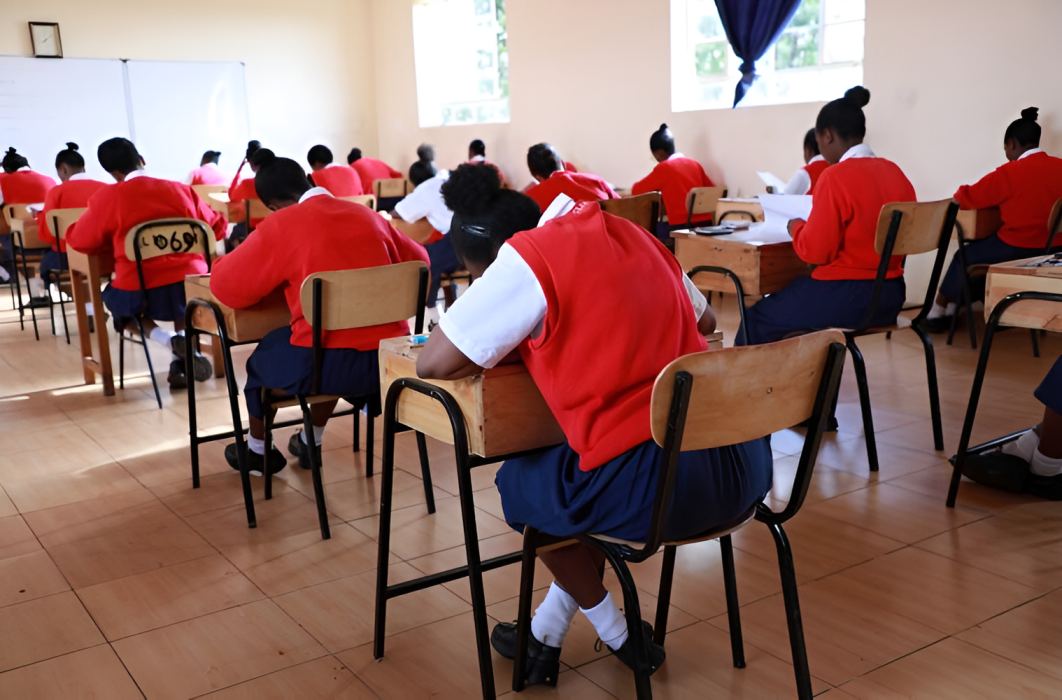
The proposal recommends that Cluster One (C1) schools admit a maximum of 10 streams, Cluster Two (C2) schools eight streams, Cluster Three (C3) schools five streams and Cluster Four (C4) schools three streams. Every stream would be limited to no more than 40 learners.
The association says that by the second term of 2026, schools had received only 56 per cent of the funds expected for the year, leaving institutions with a funding gap equivalent to 24 per cent of the annual allocation per learner. The government currently provides Sh22,244 per student each year.
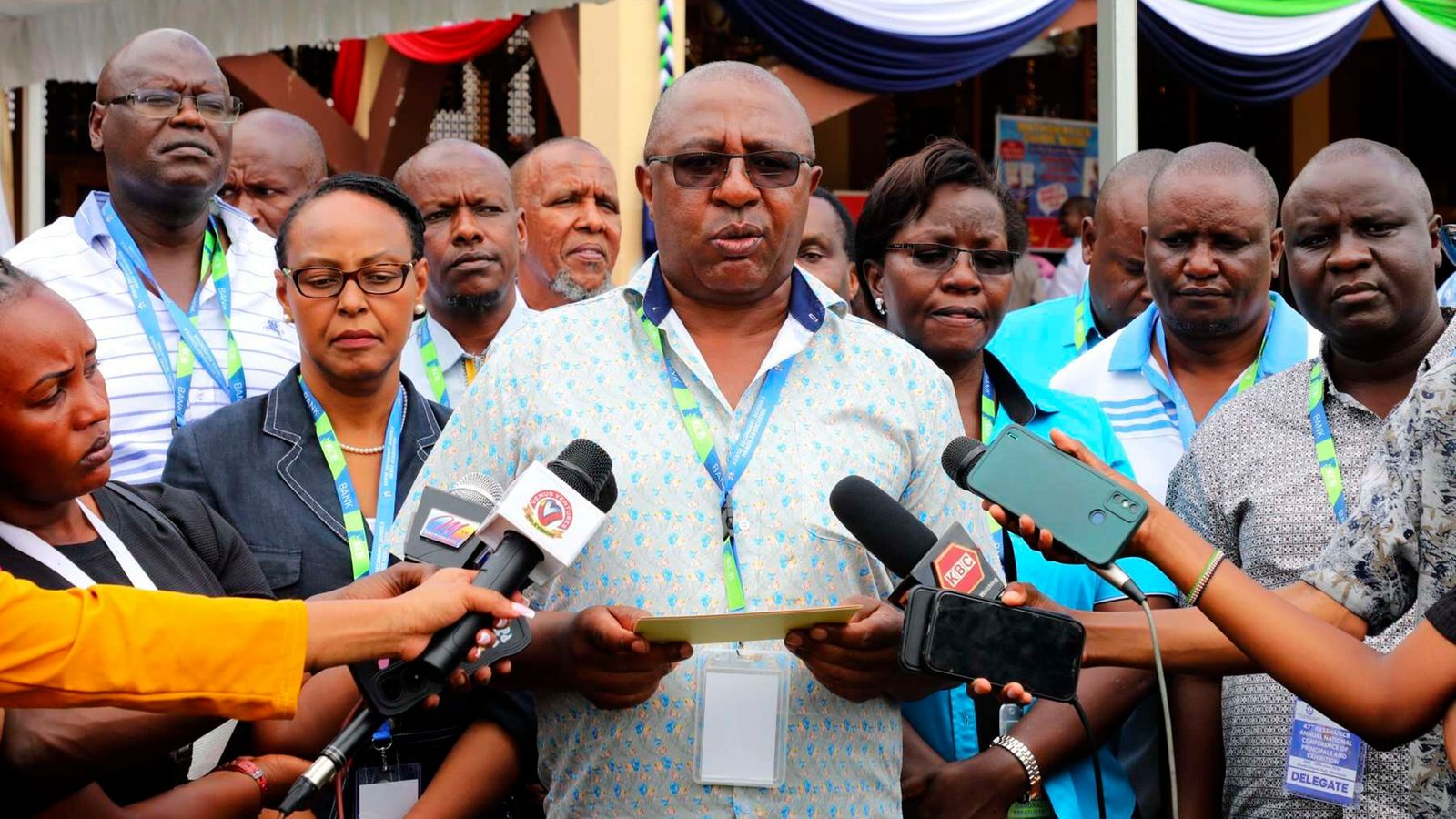
Under the plan, day secondary school learners would pay Sh7,675 per year. These learners are currently under the Free Day Secondary Education programme, but principals say the funding has steadily declined while operational costs continue to rise
Nassir said Mombasa county government reached an agreement with education stakeholders to take over the school feeding programme, which directly reduced school fees, noting that the intervention—driven by economies of scale—had lowered the overall burden to about 12,000 shillings in some schools
Chaired by Luanda MP Dick Maungu, the committee said many TVETs and teachers training colleges continue to rely on capitation and exchequer support despite owning large tracts of land that remain idle and underutilised.
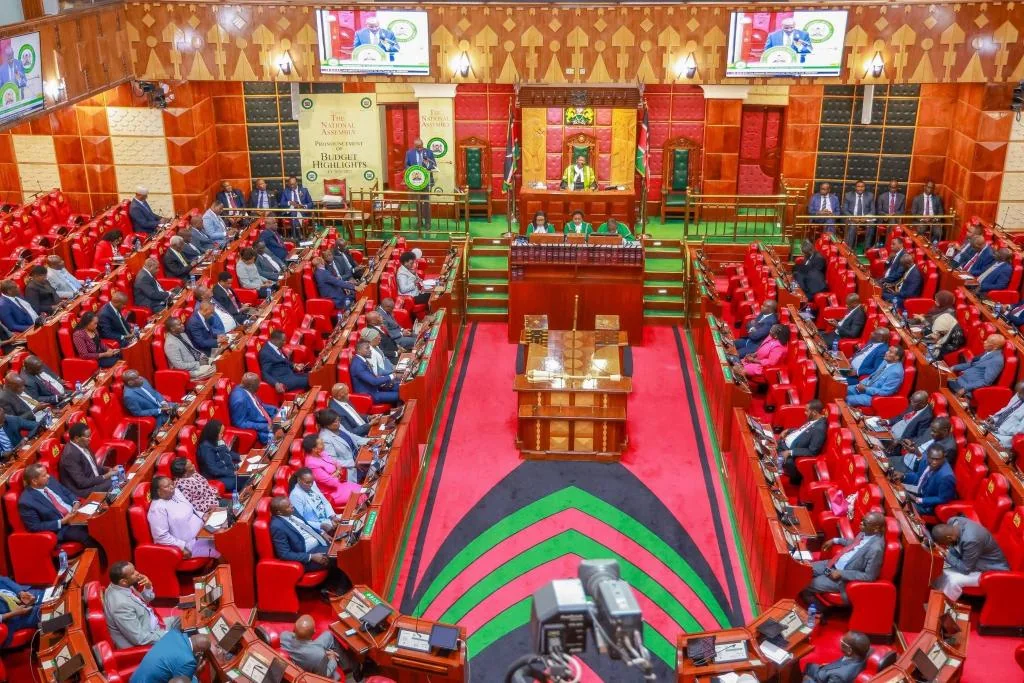
MPs on the National Assembly Budget and Appropriations Committee raised concerns during 2026/27 budget scrutiny over delayed teacher pensions, lack of insurance provisions and capitation shortfalls. They backed increased support for TVET, school feeding, infrastructure and special needs reforms.
KNUT Deputy SG Hesbon Otieno Agola says delayed capitation and unpaid balances are leaving public schools with accumulating supplier debts. He argues new allocations often clear arrears rather than fund learning activities.
According to Bitok secondary schools have been hit hardest, with a shortfall of Sh76,995,346,067. Junior secondary schools follow with Sh31,981,877,799, while primary schools face a deficit of Sh14,048,116,230. Secondary special needs education also recorded a gap of Sh67,117,182.
Former KNUT boss Wilson Sossion Sossion says infrastructure development is only one part of a larger education planning system that includes student population forecasting, teacher recruitment and training, and provision of learning materials.
The Education CS further told MPs that 570 out of 990 primary schools failed to submit updated data to the ministry even after receiving half of their funds, a gap that continues to complicate the disbursement process. According to Ogamba, about 6,000 schools countrywide, ranging from primary to senior secondary, are still non-compliant with the ministry’s requirements, with some institutions operating with as few as 45 pupils.
Higher Education PS Beatrice Inyangala said institutions are pursuing a range of measures to ensure survival. These include increasing student admissions, fully utilising existing facilities, and tapping into government funding through capitation, loans, and scholarships.
Mbadi further proposed that bursary funds from all other sources, including NG-CDF, the Government Affirmative Action Fund (GAAF), and county governments, be combined and distributed equally.
According to the association, schools are owed Sh7.5 billion for Term I and Sh10.5 billion for Term II of 2025.
Education Cabinet Secretary Julius Ogamba on Tuesday announced that the funds had been disbursed to cater for capitation in the second term of the 2025 academic year.