Kenya’s forex reserves surge to 2025 high as shilling holds firm
The latest figures mark a notable rise from the previous week’s $11.091 billion (Sh1.430 trillion) and remain above CBK’s statutory minimum threshold of four months of import cover.
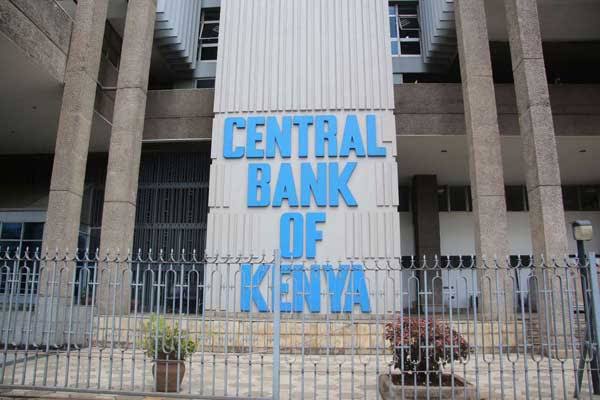
Despite that, Central Bank of Kenya Governor Kamau Thugge revealed in June that Kenya had, in October 2024, applied for a new IMF-supported programme to help roll over the undrawn funds.
BAHL had operated in Kenya since April 9, 2018, after receiving approval from CBK. Its Nairobi office served only as a liaison and marketing center for its parent company in Pakistan and global affiliates.
This move comes after the Central Bank of Nigeria (CBN) granted a “No Objection” approval, clearing the way for Access Bank Plc to increase its investment in the Kenyan subsidiary.
The funds aim to address historical inequalities, improve access to land, and promote sustainable management of land resources.
Additionally, 33% of the 39 banks polled in the CBK survey projected an increase in personal and household NPLs between April and June 2025.
The shilling has weakened against the Euro, now trading at Sh141, and the British Pound at Sh171, raising questions about what’s truly behind the dollar pairing.
Kenya’s public debt is now equivalent to 70% of the country’s gross domestic product.
A central concern for the CBK remains the opacity surrounding how banks disclose and communicate credit information.
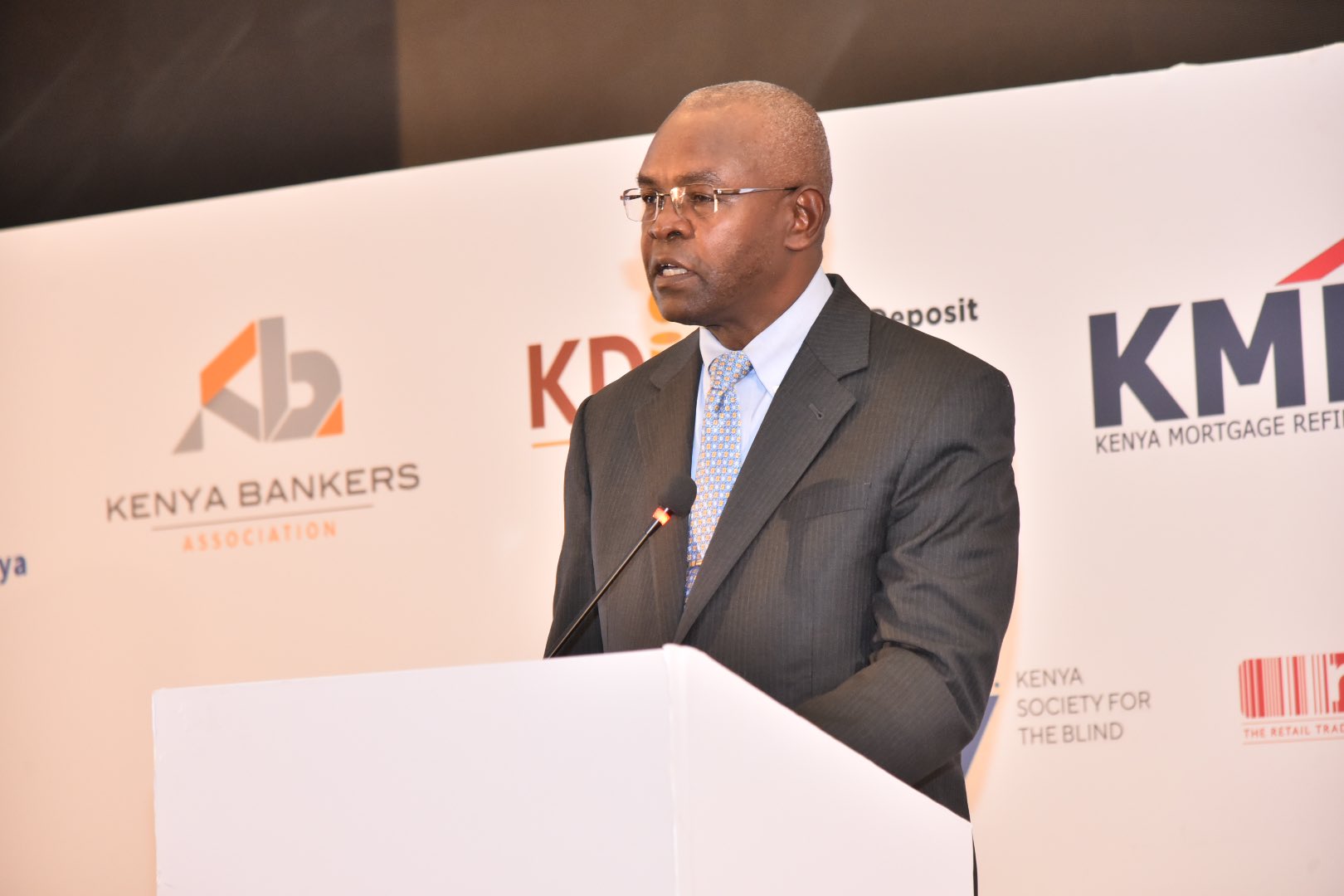
This clarification follows growing unease from the banking sector, voiced through the Kenya Bankers Association (KBA).
Despite her qualifications, her SRC tenure became the focal point of the session, leading to sharp criticism from several lawmakers.
The Treasury aims to collect Sh50 billion from the sale of the 15 and 25-year bonds, while an additional Sh30 billion is targeted from the 20-year bond.