News
Third protest victim dies after Saba Saba shooting in Kirinyaga
James Muriithi, 41, who was shot on Monday at Makutano in Mwea, died on Thursday morning at Kenyatta National Hospital.

Hard truths.
James Muriithi, 41, who was shot on Monday at Makutano in Mwea, died on Thursday morning at Kenyatta National Hospital.

FIDA-Kenya expressed solidarity with the victims, sending heartfelt condolences to bereaved families and reaffirming that no citizen should lose their life while exercising their right to peaceful protest.
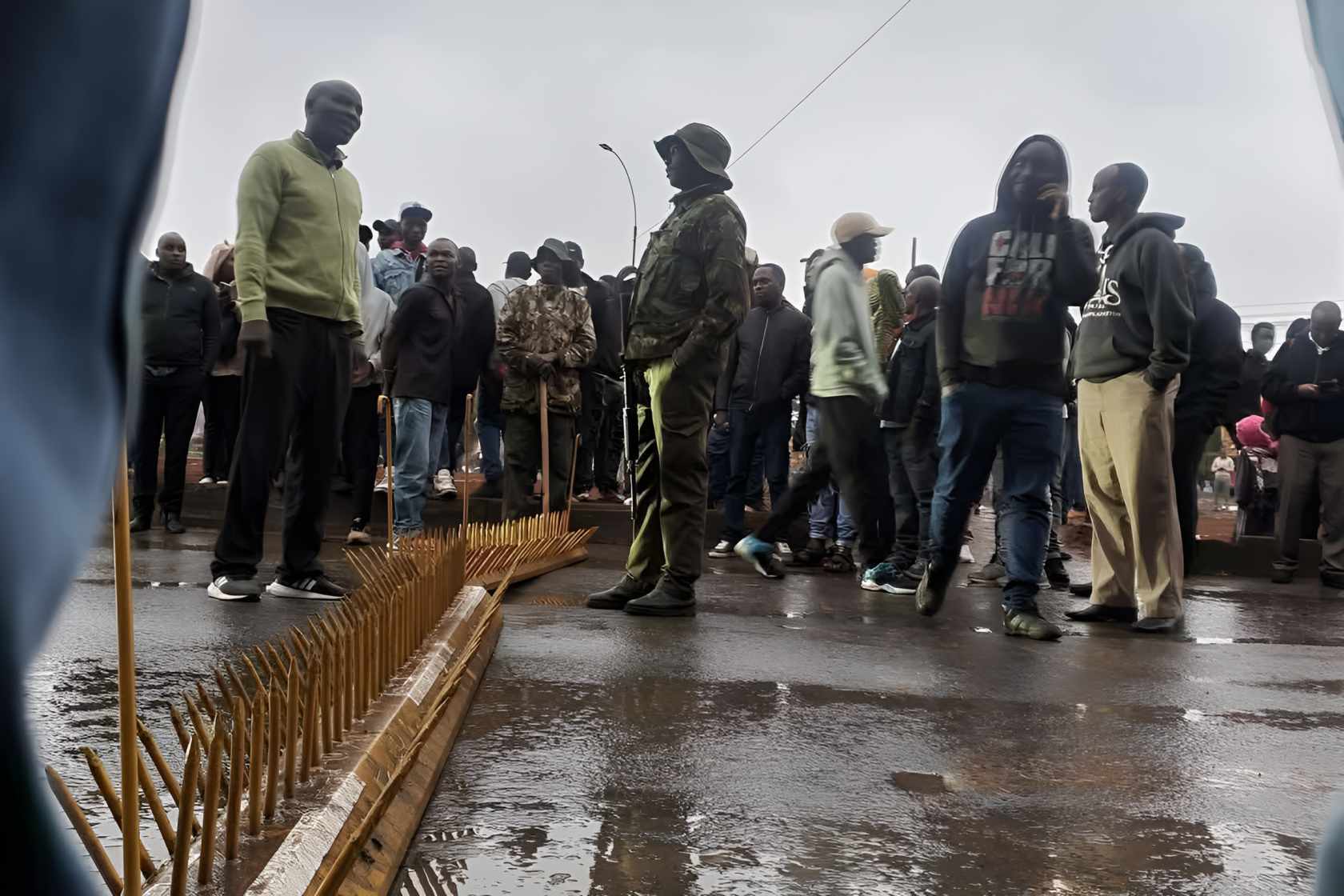
In Kangemi, protests turned violent when a man was reportedly shot on Waiyaki Way. Crowds gathered around the body, clashing with police as tensions flared.
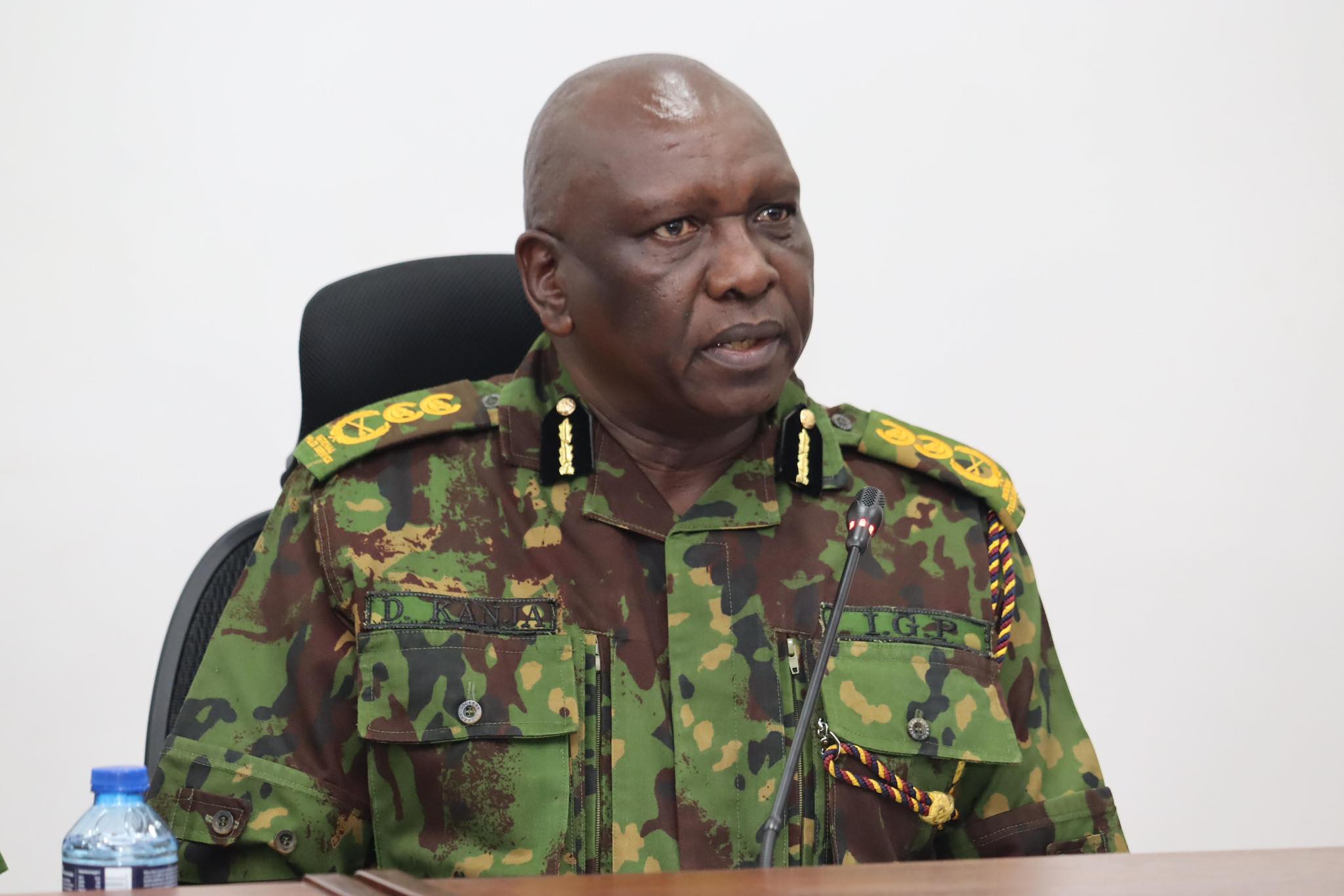
The viral release had claimed that security agencies, working with immigration officers, were conducting operations to arrest undocumented foreigners suspected of looting, damaging property, and attacking polic...
This year’s commemoration comes at a tense moment nationally, as Gen Z-led protests that began with opposition to the Finance Bill have widened to call for greater reforms and an end to police violence and enfo...
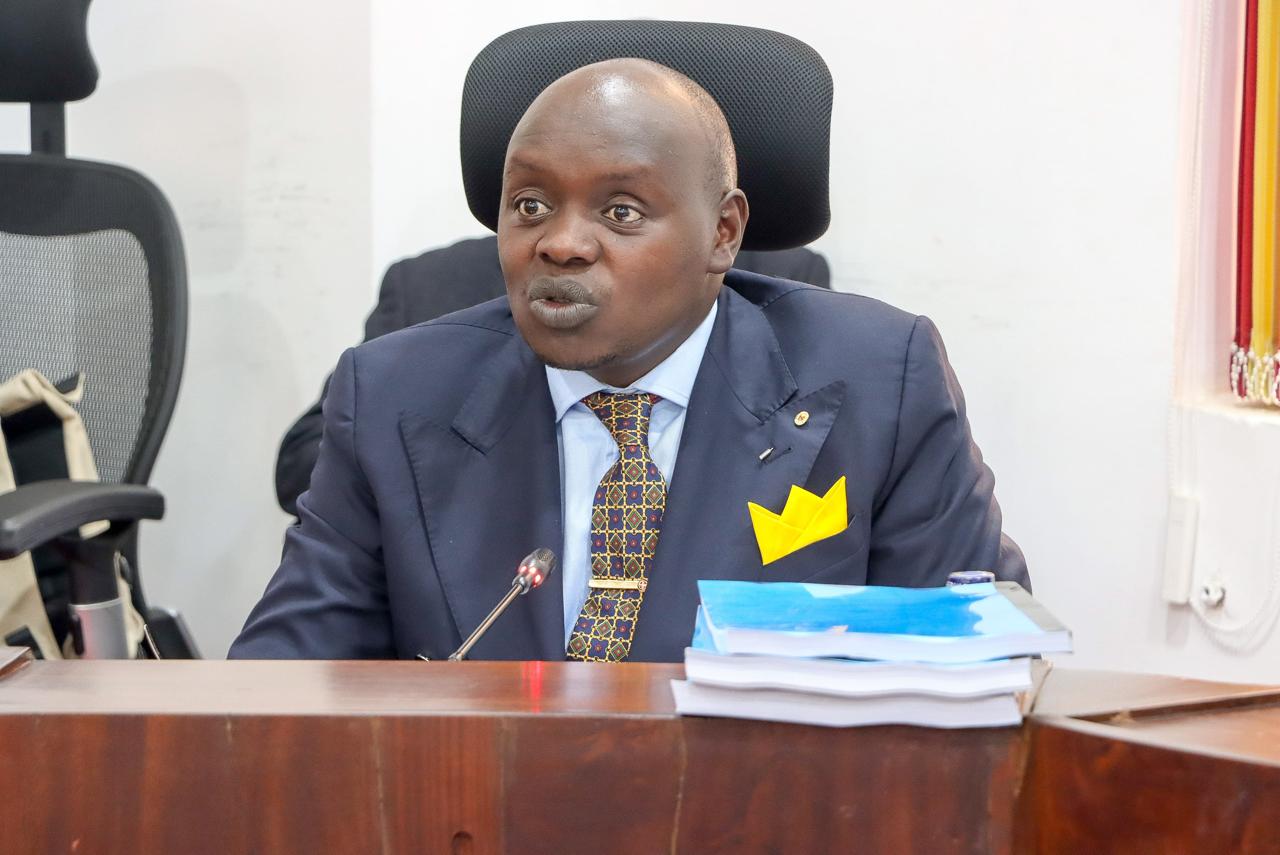
According to Cherargei, the spirit of the 1990 protests, rooted in the push for pluralism, democracy, and constitutional reforms, was honoured with the 2010 Constitution.
The checkpoints forced commuters to walk long distances, with some reporting being stranded after public transport vehicles were blocked from entering the city.
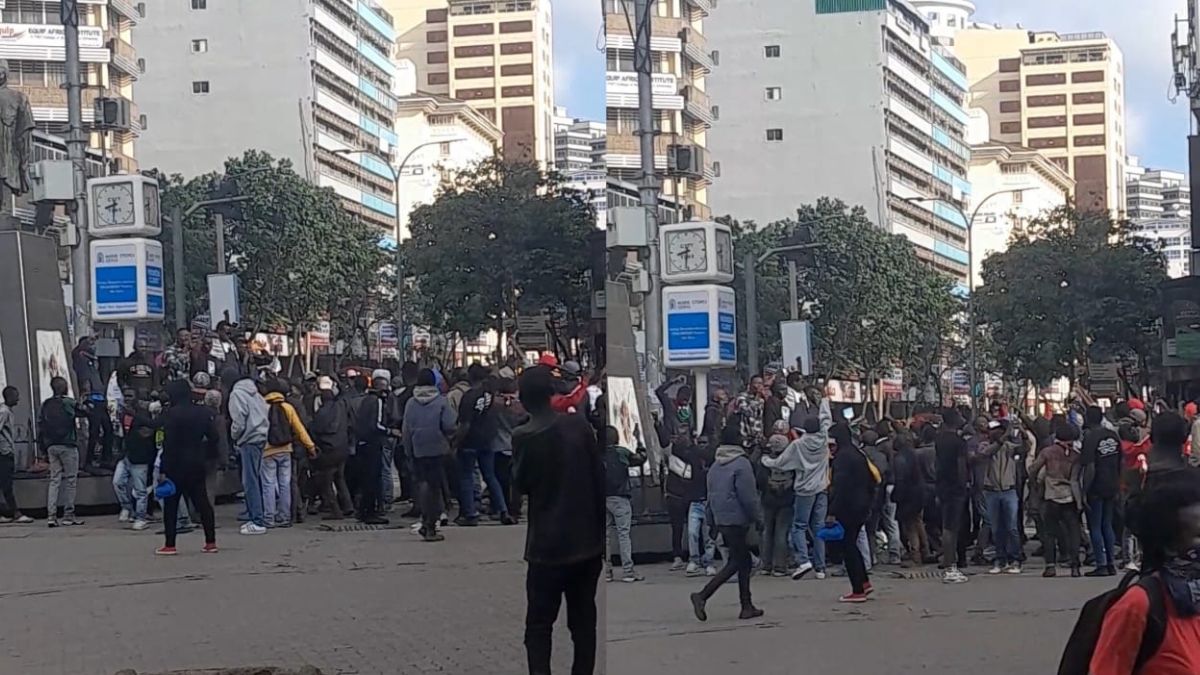
Saba Saba, observed every July 7, commemorates the pro-democracy demonstrations of 1990, led by Kenneth Matiba and Charles Rubia.
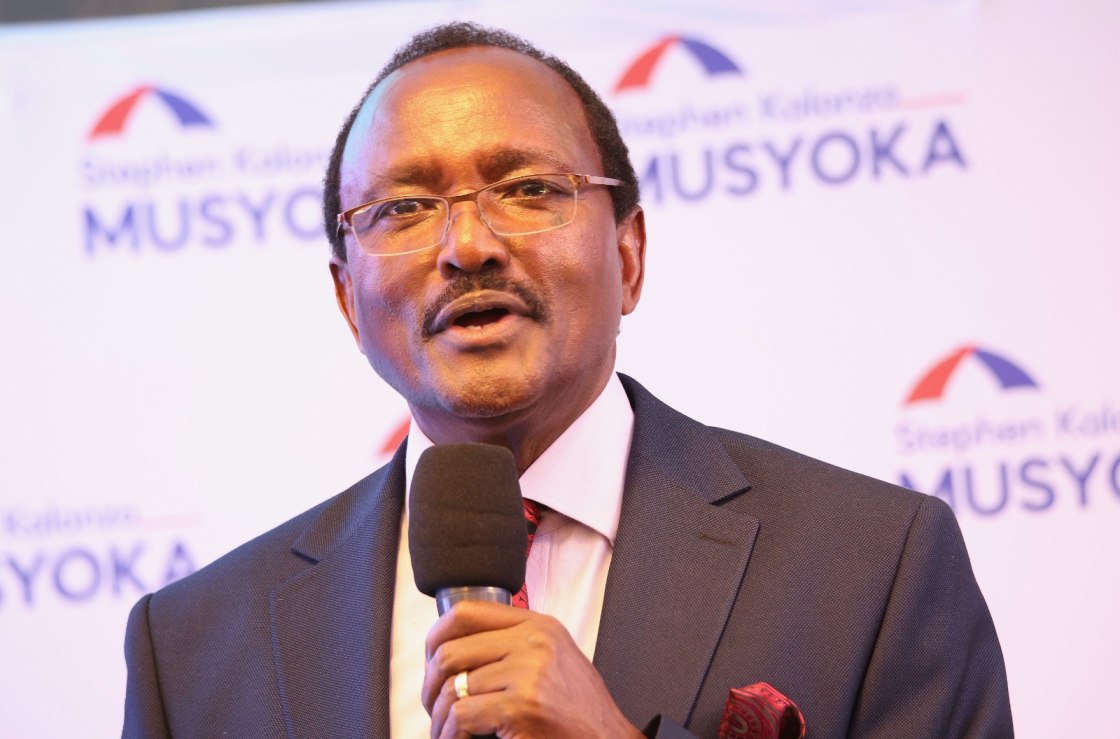
Concluding their two-day tour of the Western region in Kitale, the leaders vowed to monitor the situation across counties and warned the Kenya Kwanza administration against using force to disrupt peaceful assem...
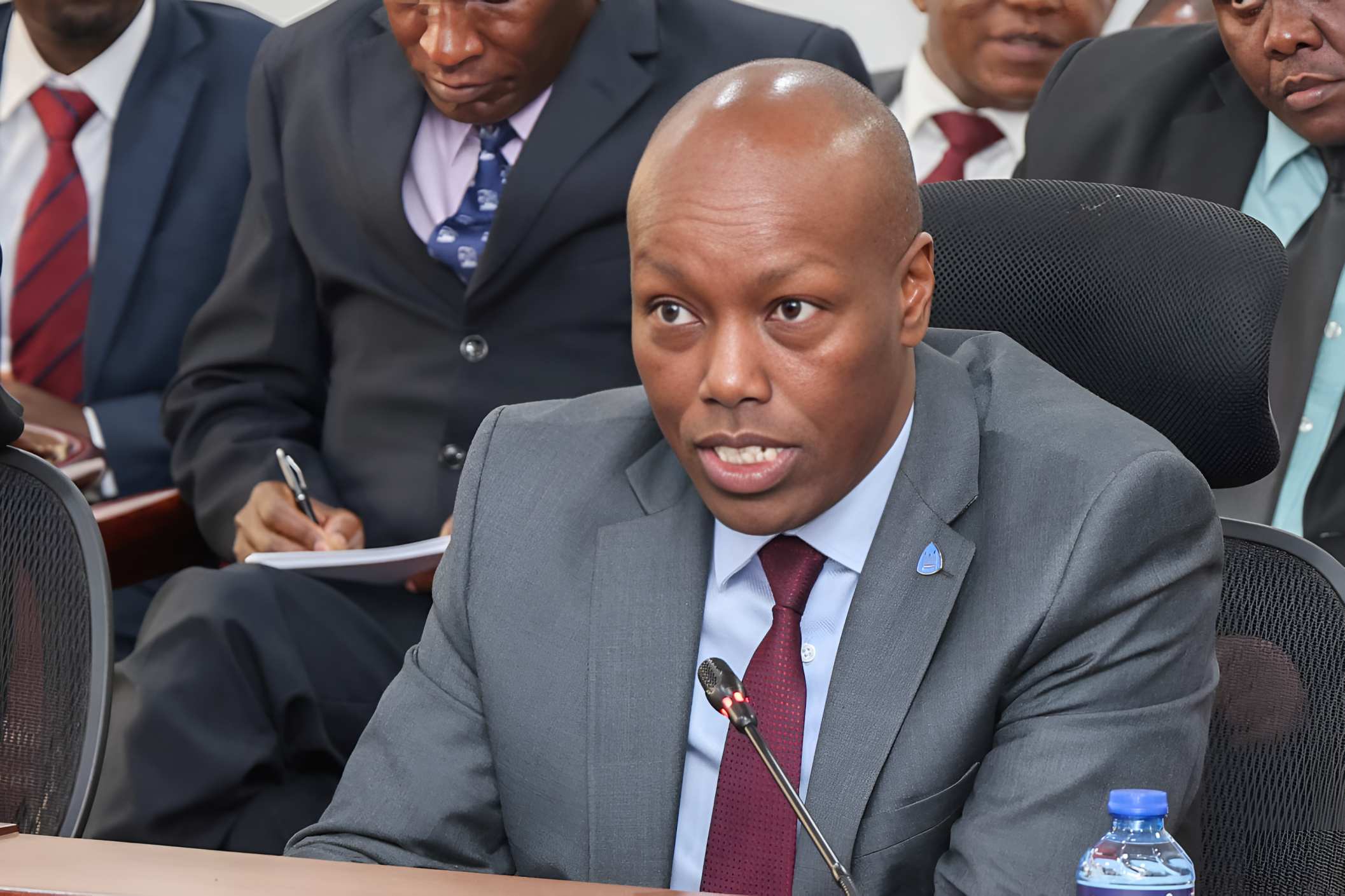
CS Kinyanjui acknowledged that the right to protest is enshrined in Kenya’s 2010 Constitution but insisted that it must be exercised responsibly and without destruction.

Thiga made it clear that recent arrests would not deter the youth from pushing forward with their demands.
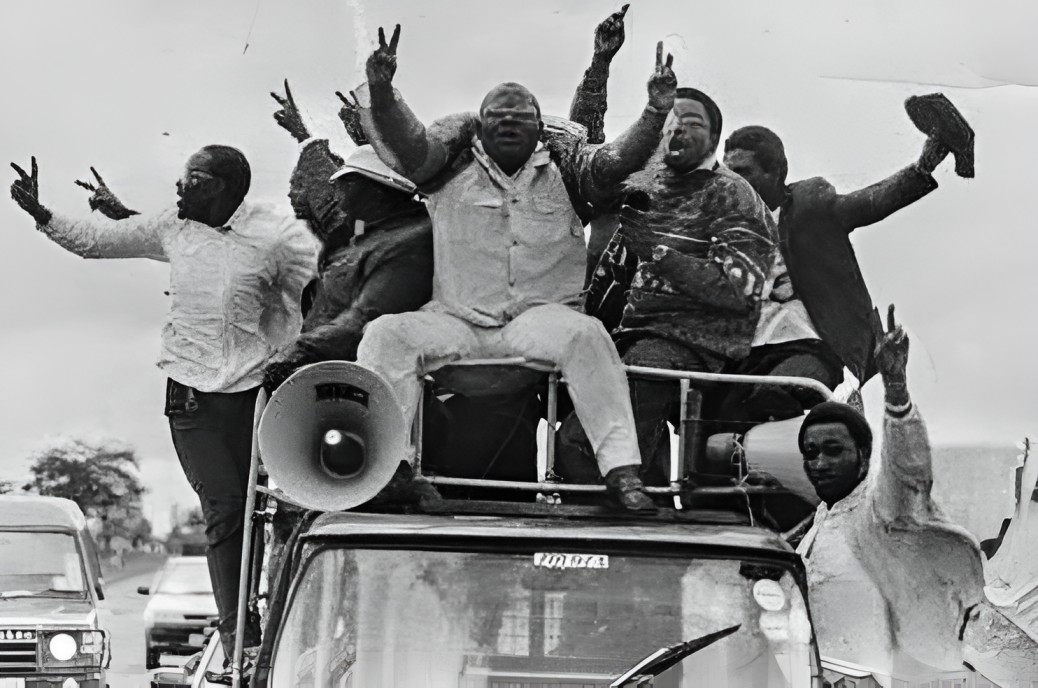
Then, under the firm grip of President Daniel Arap Moi, Kenya was a one-party state where dissent was criminalized and political freedom suppressed.