Kenya still among 30 worst-hit countries despite TB death decline
The WHO Global Tuberculosis Report 2026 places Kenya among African countries that achieved at least a 50 per cent reduction in TB deaths between 2015 and 2025.

The concern is highlighted in the Global Fund’s 2026 Results Report, which says 2025 brought “abrupt and far-reaching cuts in international funding” that severely affected lifesaving health programmes across the world.
Speaking at the AmCham Business Summit in Nairobi on Wednesday, Ruto said Kenya wanted to move beyond traditional donor-recipient relationships and develop partnerships that combine American investment, technology and expertise with Kenya's human capital, natural resources and growing markets
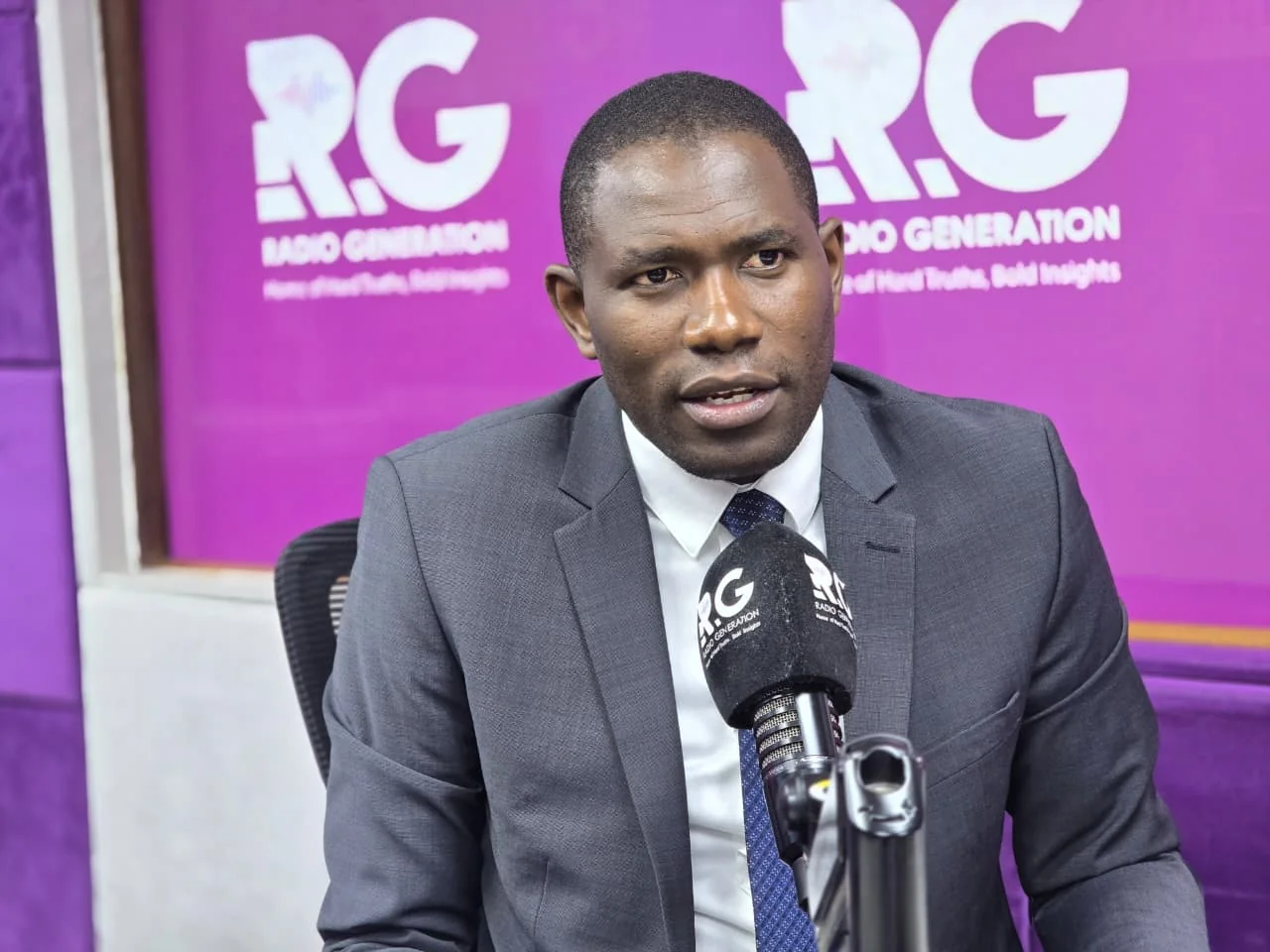
Speaking during a Radio Generation interview on Wednesday, Oluga said Kenya has for years relied heavily on bilateral and multilateral partners to finance programmes covering HIV, tuberculosis, malaria, maternal health and other services. He said donor financing had become increasingly uncertain since 2016 as traditional development partners began prioritising domestic challenges
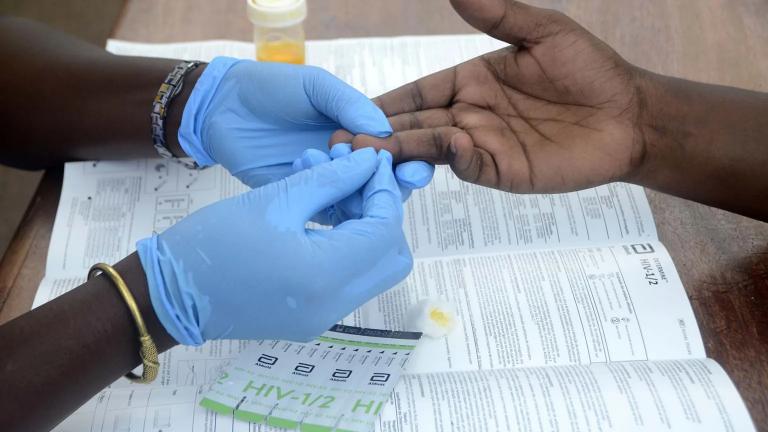
Ahead of the 26th International AIDS Conference (AIDS 2026), scheduled for July 26–31 in Rio de Janeiro, Brazil, the UN health agency said self-care approaches are becoming increasingly important in helping people prevent disease, maintain their health and manage illnesses with or without the support of a healthcare worker.
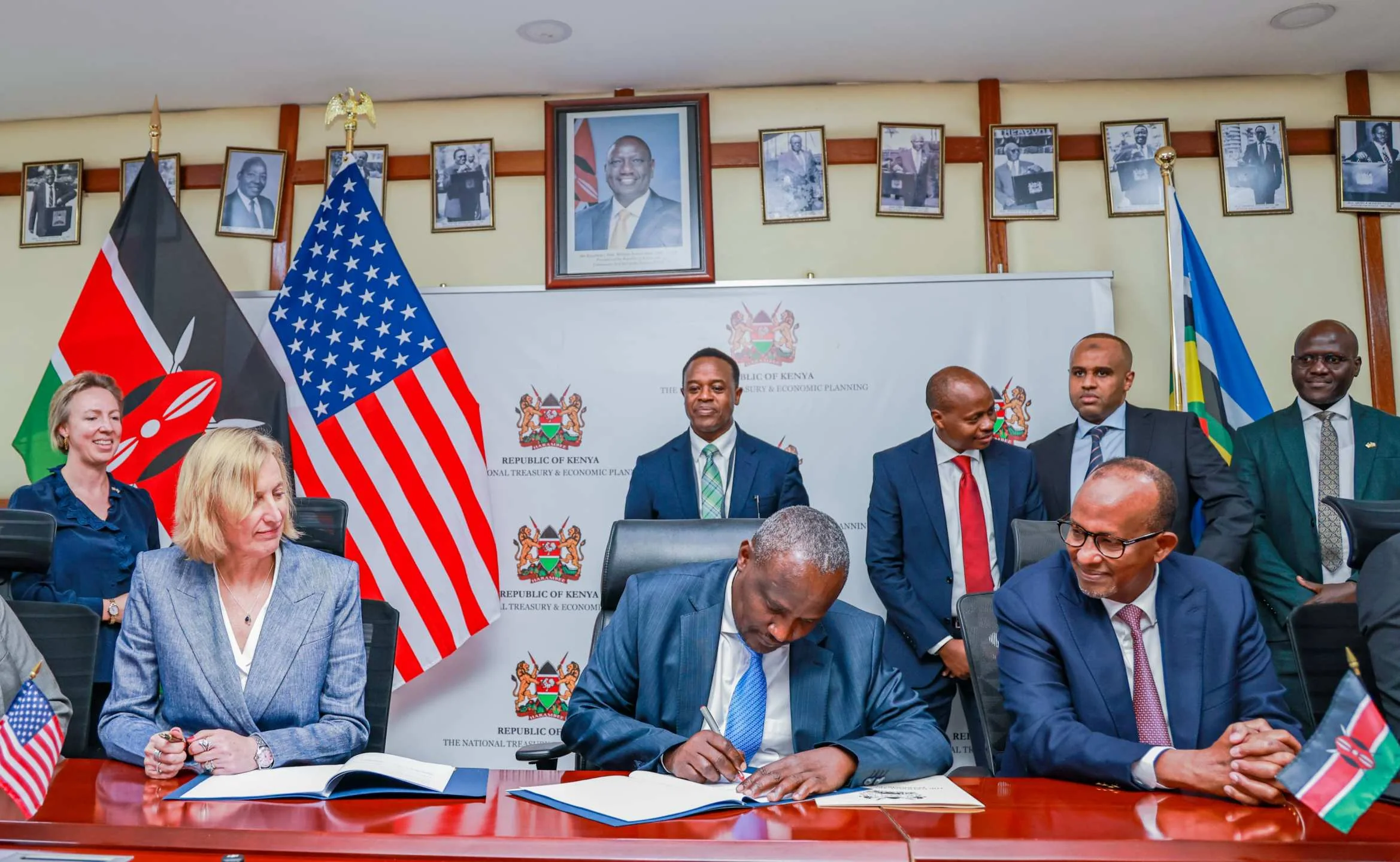
Speaking after the signing ceremony on Wednesday, Health Cabinet Secretary Aden Duale described the agreement as a milestone in Kenya-US relations, saying the implementation phase had officially begun.
The two governments said the partnership builds on decades of collaboration while introducing a new framework focused on long-term sustainability and national ownership of healthcare programmes
Under the framework, Kenya and the United States will work together to enhance the fight against HIV, malaria, tuberculosis and emerging disease outbreaks through improved disease monitoring, stronger laboratory networks, expanded use of digital health technologies and a more dependable supply of medical commodities.
The HIV programme has received the largest allocation of Sh8.83 billion, accounting for more than 70 per cent of the total funding, while malaria has been allocated Sh2.28 billion and tuberculosis Sh1.26 billion.
In its World Health Statistics 2026 report, WHO says progress against HIV, tuberculosis, malaria, hepatitis and antimicrobial resistance is not fast enough to meet 2030 targets, and warns funding cuts could worsen outcomes for billions.
Despite the high caseload, Kenya has recorded major achievements over the past decade, reducing TB infections by 45 per cent and TB-related deaths by 58 per cent since 2015. Duale credited these gains to consistent government support, strong county partnerships, and collaborations across multiple sectors.
The association said World TB Day is observed each year to highlight the global burden of tuberculosis and renew commitments to ending the disease, noting that the day is meant to “raise awareness about tuberculosis and renew commitments to ending the disease.”
Officials from the National Tuberculosis, Leprosy and Lung Disease Programme (NTLD-P) told the committee that a reduction in funding from $10 million (Sh1.3 billion) to approximately $7.7 million (about Sh1 billion) over two years would significantly affect service delivery.
While strides have been made in diagnosis, treatment, and prevention, persistent funding gaps, uneven social protection coverage, and the concentration of TB cases in a few high-burden countries threaten to reverse these hard-won gains.
In a statement by the Ministry of Health, Cabinet Secretary Aden Duale unveiled the initiative at the Kenya Medical Supplies Authority (KEMSA) headquarters, describing it as a major milestone in the country’s health transformation journey and a critical step toward early detection, improved treatment, and progress toward Universal Health Coverage (UHC).