MPs raise alarm over ethnic imbalance in TVET staff recruitment
The findings pointed to repeated breaches of the rule requiring that no more than one-third of staff in any public institution should come from the same ethnic community.

The education budget has been increased from Sh544 billion to Sh702 billion, with authorities saying the additional funding is meant to widen access and reduce the cost of training for learners.
According to the 2026/27 Budget Estimates presented last week by National Treasury Cabinet Secretary John Mbadi, the Higher Education Loans Board has been allocated Sh56.3 billion against a required Sh112.1 billion to support about 1.38 million students.
Under the new arrangement, learners will be awarded the Kenya Certificate of Basic Education (KCBE) together with a vocational or professional certificate linked to the Kenya National Qualifications Framework.
Chaired by Luanda MP Dick Maungu, the committee said many TVETs and teachers training colleges continue to rely on capitation and exchequer support despite owning large tracts of land that remain idle and underutilised.
Mudavadi highlighted that Kenya was committed to creating an environment that supports investment and structured collaboration with South Korean companies
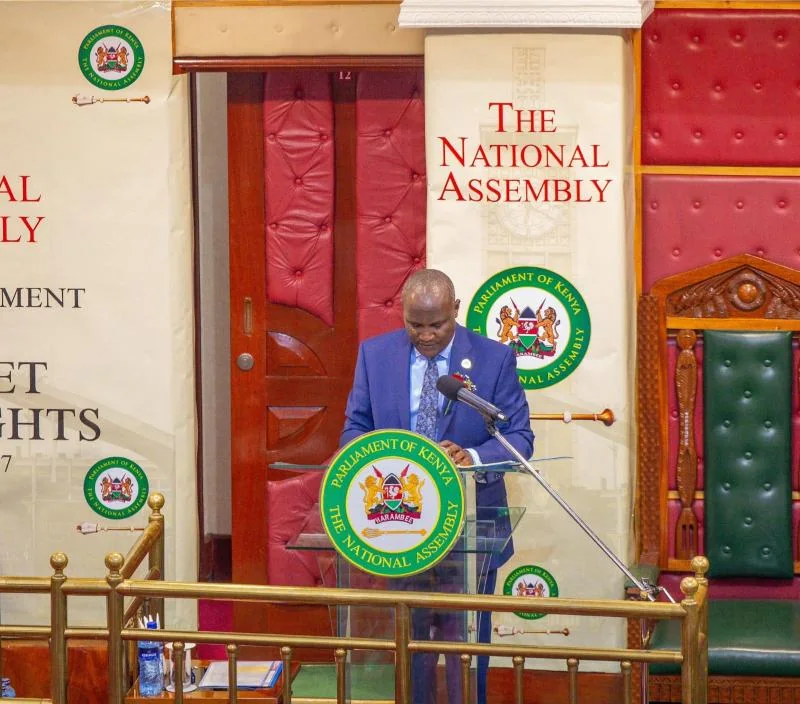
MPs on the National Assembly Budget and Appropriations Committee raised concerns during 2026/27 budget scrutiny over delayed teacher pensions, lack of insurance provisions and capitation shortfalls. They backed increased support for TVET, school feeding, infrastructure and special needs reforms.
He said the State has recruited 100,000 teachers, built 23,000 classrooms, and increased TVET enrollment from 297,000 to 718,000 students through ongoing reforms and infrastructure investment.
Established in 1956, the college functions as a Technical and Vocational Education and Training institution and was created under Section 17 of the Forest Conservation and Management Act, 2016.
The Principal Secretary urged TVET institutions to implement a dual training model that allows students to gain firsthand exposure to industry practices.
Principal Secretary Esther Muoria told the Senate Education Committee that TVET fees are capped at Sh35,000 under the modular CBET system, down from about Sh40,396 per term, and remain within legal mandates.
The Bills will now be considered by Parliament, where lawmakers are expected to debate their scope, cost and implementation timelines, before determining the future direction of Kenya’s education system.