
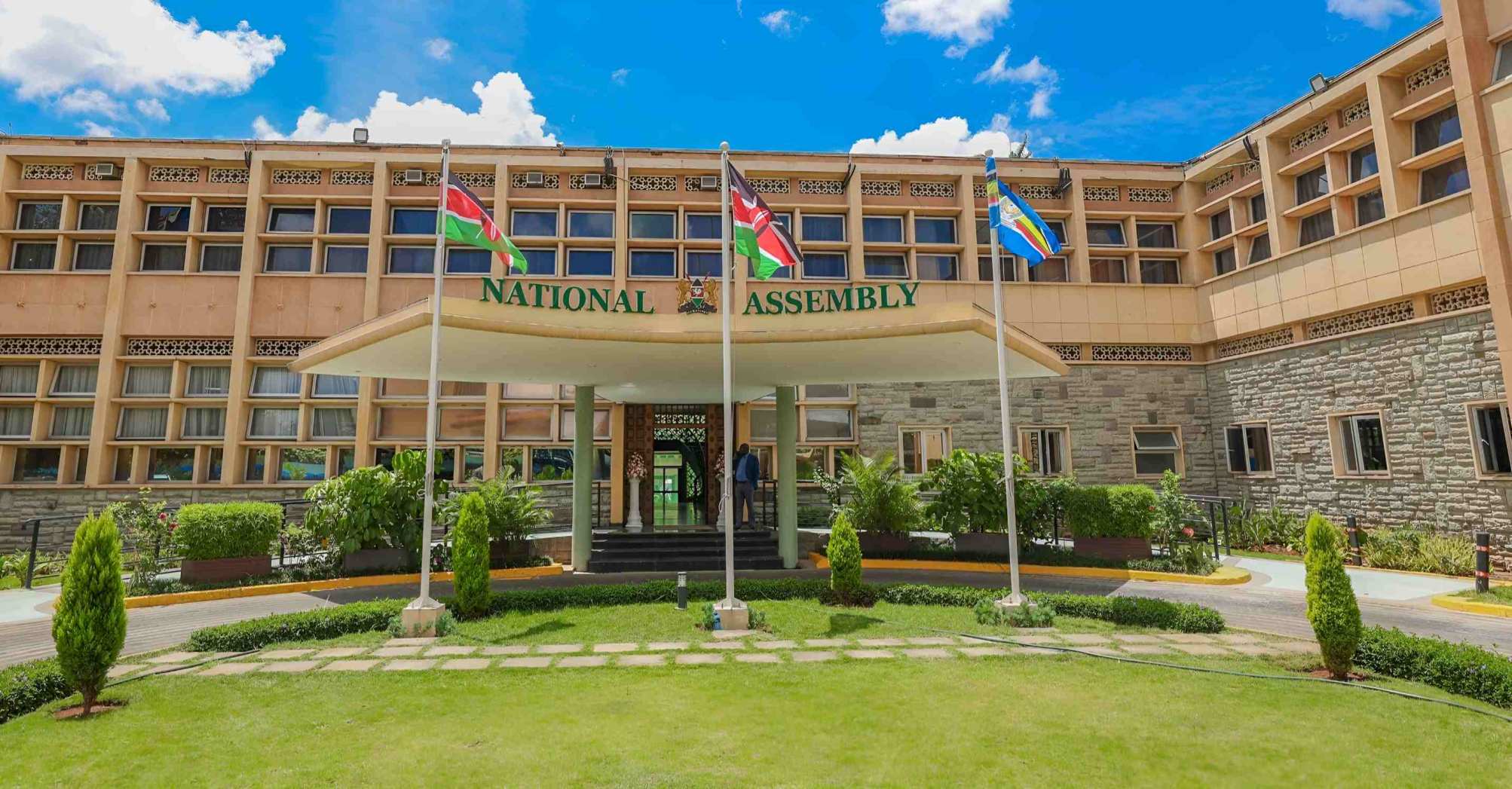
Parliament has moved to tighten oversight of theological training institutions, giving colleges across the country a three-month deadline to comply with education laws or risk being closed.
The directive comes amid growing concern over the rising number of institutions offering religious training without clear standards, raising questions about the quality and credibility of qualifications awarded.
The order is contained in a report by the National Assembly Committee on Public Petitions following a petition filed by Rev Josiah Njiru, Chairman of the Association of Pentecostal Vocational and Training Institutions of Kenya.
The petition asked Parliament to intervene over what the association described as weak regulation of theological education and the growing issuance of questionable qualifications.
“The committee recommends that within 90 days upon the tabling of this report, the Ministry of Education should establish/map out theological training institutions and enforce compliance within the law,” the report by the panel says.
The committee, chaired by Runyenjes MP Eric Muchangi, further directed the Ministry of Education to engage faith-based organisations in discussions aimed at identifying weaknesses in theological training and improving the existing curriculum.
According to the MPs, the country lacks a dedicated faith-based regulatory body with the mandate to evaluate ministerial competence, oversee theological training, enforce ethical standards and monitor institutions offering religious education.
The committee also observed that existing systems such as Recognition of Prior Learning (RPL), which forms part of the national qualifications framework, were developed for secular professions and may not be suitable for assessing pastoral experience, spiritual calling or theological formation.
“The committee notes the difficulty in harmonising and regulating standards for faith training across denominations, especially in recognition of prior learning and other informally acquired faith competencies,” the report says.
The Association of Pentecostal Vocational and Training Institutions of Kenya told lawmakers that the continued rise in theological colleges without proper oversight has seen people receive certificates and degrees despite lacking a proper understanding of the gospel.
The petition states that the number of theological colleges, Bible schools and online ministry training platforms has increased over the years, particularly those linked to Pentecostal, charismatic and indigenous churches. Although this has widened access to religious education, the association said it has also exposed serious gaps in quality assurance.
Among the concerns raised are the absence of a common curriculum, questionable accreditation of institutions, the emergence of diploma mills and unverified qualifications, doctrinal inconsistencies, inadequate pastoral preparation and varying levels of ministerial competence.
Rev Njiru and the other petitioners argued that the absence of a legal framework specifically designed for theological education continues to affect the credibility, quality and integrity of ministry training within churches.
They further noted that existing laws, including the TVET Act, the Universities Act and the Kenya National Qualifications Framework Act, mainly focus on secular education and do not fully address the unique nature of theological training.
The petitioners have now asked Parliament to consider enacting legislation that would allow Pentecostal and Evangelical Christians to establish a self-regulatory authority to oversee theological education and set standards for ministerial training.