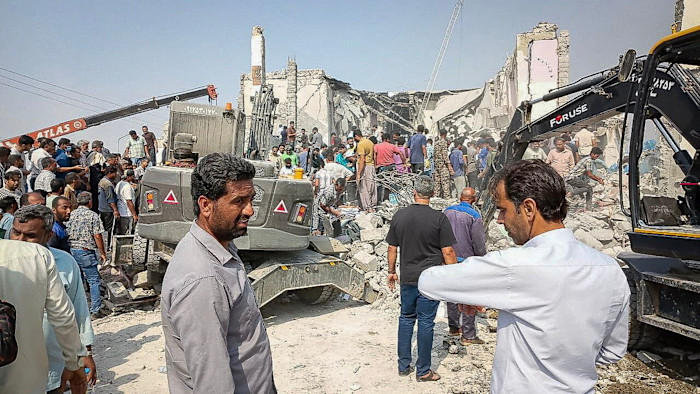
The Middle East conflict escalated on Monday as Iran and Iranian-backed militias fired missiles at Israel and Arab states, while Israel and the United States intensified strikes on Iran.
More than 200 people have been killed since the attacks began, according to Iranian leaders, and at least 31 people were killed and 149 wounded in retaliatory strikes in Lebanon.
Fire and smoke were seen rising from several compounds, and alarms sounded after the attack, which followed a U.S. warning urging Americans to take cover.
Latest Stories
- Yego finishes 4th at Kipkeino Classics
- Nigeria football mourns as Eneramo dies following on-pitch collapse
- Kenya issues flood warning as rains intensify in parts of the country
- Ruto brushes off critics, says insults won’t shake his grip on Mt Kenya
- Woman jailed for three years over child theft linked to love triangle dispute
As military operations continued, senior Iranian security official Ali Larijani declared on X, “we will not negotiate with the United States.”
In Iraq, a pro-Iranian militia claimed responsibility for a drone attack targeting U.S. troops at Baghdad airport, a day after stating it had fired at a U.S. base in Irbil. Cyprus also reported a drone strike targeting a British base on the island.
Meanwhile, Israel and the United States bombed Iranian missile facilities and targeted naval assets.
The U.S. military said B-2 stealth bombers struck ballistic missile sites using 2,000-pound bombs.
President Donald Trump said nine Iranian warships had been sunk and the navy’s headquarters had been “largely destroyed.”
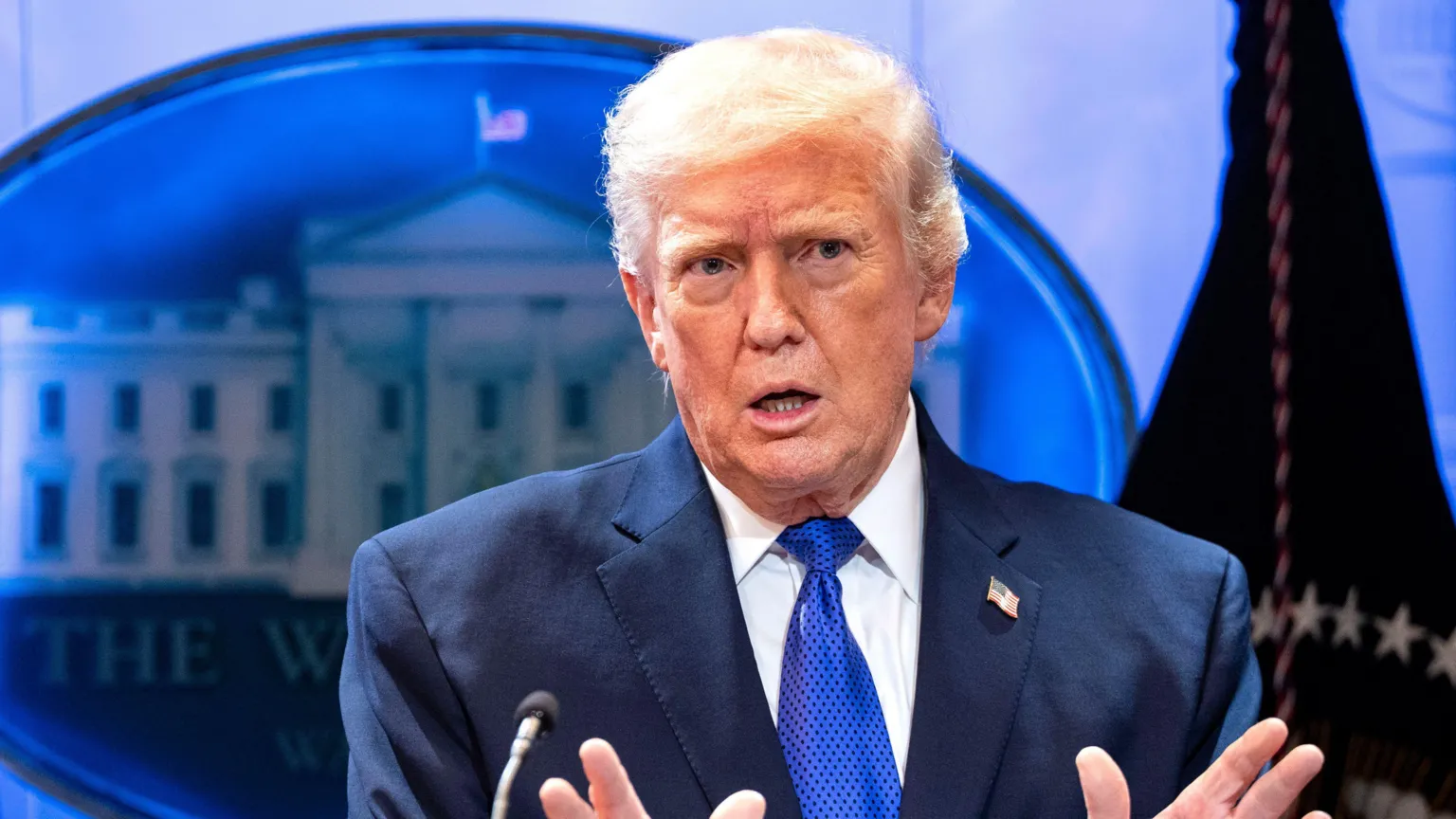 US President Donald Trump. PHOTO/EPA
According to Iranian leaders, more than 200 people have been killed since the start of the strikes.
The current escalation follows joint American-Israeli attacks on Saturday that killed Iranian Supreme Leader Ali Khamenei and other senior officials.
In response, Iran has launched missiles at Israel and Arab states in what it describes as a counteroffensive.
Hezbollah said it fired missiles from Lebanon into Israel early Monday in retaliation for the killing of Khamenei and “repeated Israeli aggressions.”
It was the first attack claimed by the group in more than a year. Israel said it intercepted one projectile, while others landed in open areas, with no injuries reported.
Israel responded with airstrikes on Lebanon, killing at least 31 people and wounding 149, according to Lebanon’s Health Ministry.
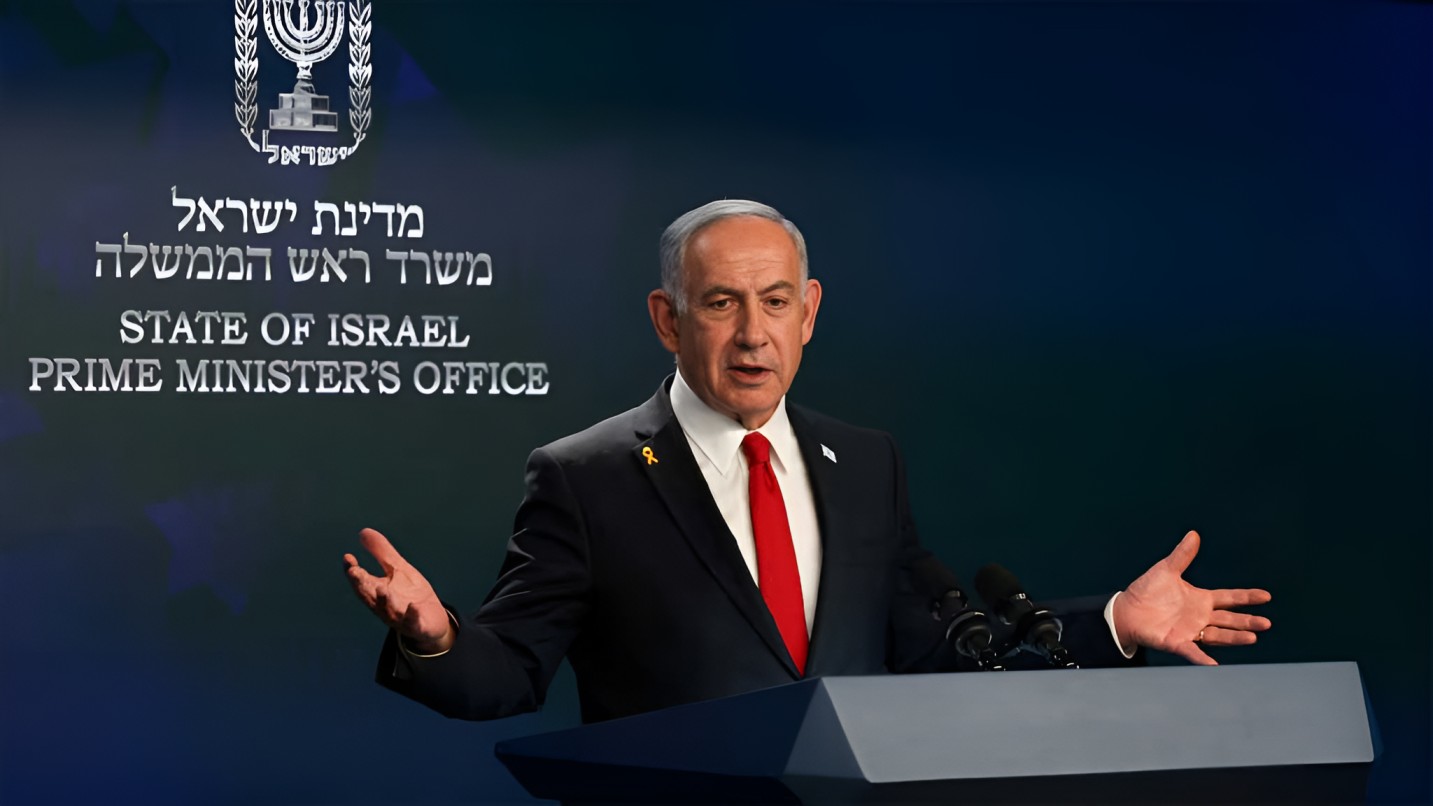 Israeli Prime Minister Benjamin Netanyahu. PHOTO/bdnews24.com
About two-thirds of the fatalities were in southern Lebanon. Following strikes near Beirut, Israel ordered civilians in nearly 50 villages in eastern and southern Lebanon to evacuate, prompting mass displacement.
Lebanon’s government convened an emergency meeting after the attacks triggered widespread concern.
Gulf Arab states warned they could retaliate after Iranian strikes hit key sites and killed at least five civilians.
President Trump pledged that Washington would “avenge” the deaths of three American troops killed in Kuwait.
“Sadly, there will likely be more before it ends,” Trump said. “That’s the way it is.”
He urged Iranians to “take over” their government and stated that operations would continue.
“Combat operations continue at this time in full-force, and they will continue until all of our objectives are achieved,” he said in a video message. “We have very strong objectives,” he added, without further details.
The conflict has drawn international attention. Britain, France and Germany expressed readiness to cooperate with the United States to halt Iran’s attacks, while Gulf Arab countries said they reserved the right to respond to Iranian strikes.
This marks the second joint U.S.-Israeli operation against Iran in eight months.
In the 12-day war last June, strikes significantly weakened Iran’s air defenses, military leadership and nuclear programme.
The killing of Khamenei, who ruled for more than three decades, has created a leadership vacuum, raising fears of further instability.
The World Health Organization urged restraint, stating, “The protection of civilians and health care must be absolute,” and calling on all parties to ensure medical facilities remain protected.
With casualties rising and military exchanges intensifying, the region remains on edge as diplomatic solutions appear distant.


Comments
Sign in with Google to comment, reply, and like comments.
Continue with Google