CS Mbadi outlines e-mobility plan amid Middle East tensions
Following the escalation, several Gulf states closed parts of their airspace and introduced restrictions on shipping, particularly through the Strait of Hormuz. Iran also blocked the strait, a key global passage used for transporting a significant share of the world’s oil and liquefied natural gas.
A combination of rising geopolitical tensions and pressure on global fuel markets has pushed Kenya to rethink its reliance on petrol-powered transport, with the government now leaning more towards electric mobility as a long-term response to external shocks affecting the economy.
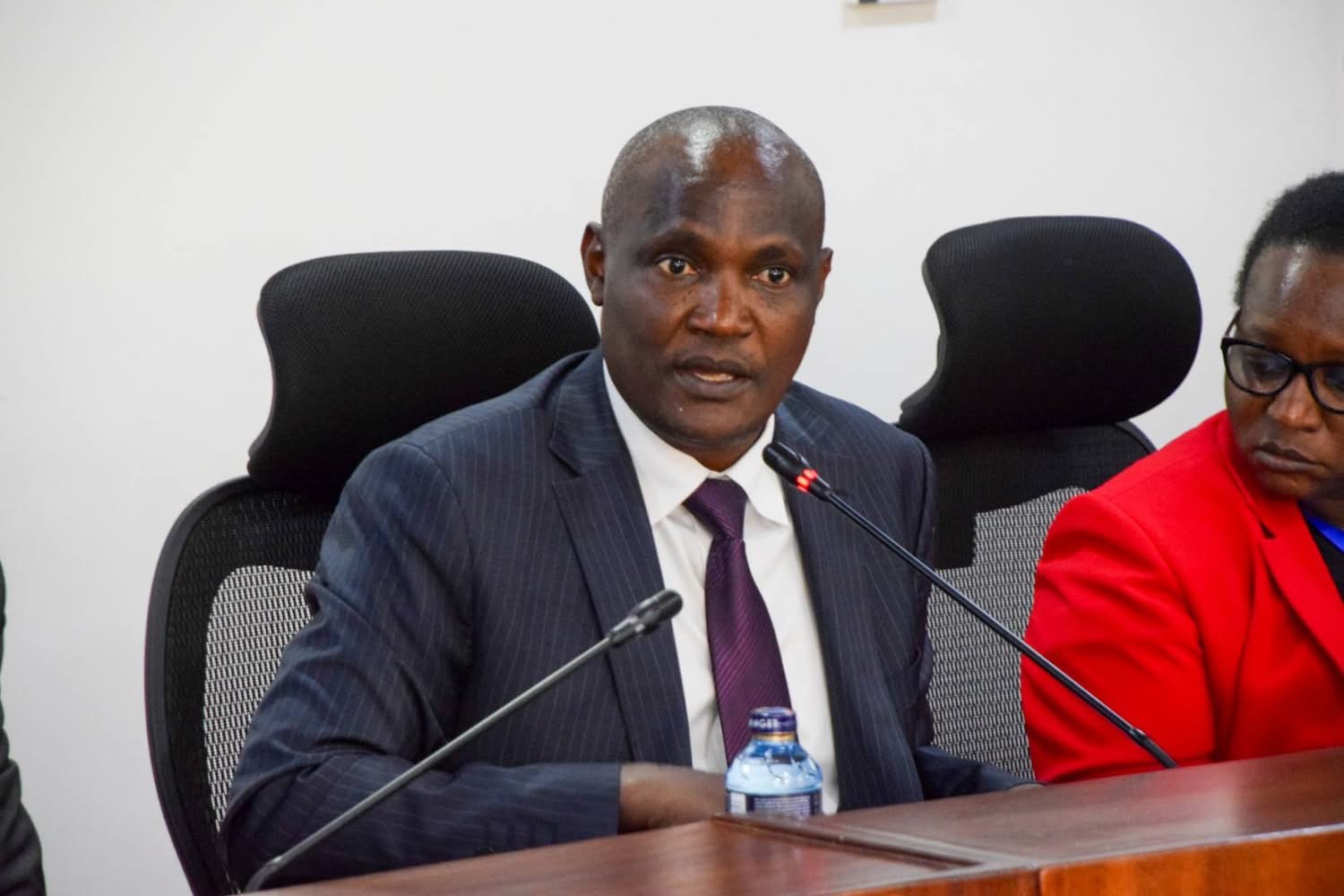
Treasury Cabinet Secretary John Mbadi told the National Assembly Finance and National Planning Committee that the shift is already underway, with government plans changing from purchasing 2,500 fuel-powered vehicles to supporting the local assembly of around 3,000 electric vehicles.
Mbadi said the decision follows growing instability linked to the conflict involving Israel, the United States and Iran, which has disrupted oil supply routes and driven up global energy costs.
“We have secured a supplier to assemble the electric powered cars. That will also create jobs for locals,” the minister said.
He addressed the committee led by Kuria Kimani, explaining that the Treasury is working on policy measures, including proposals in the Tax Laws Amendment Bill, aimed at encouraging adoption of locally assembled electric vehicles.
Mbadi said the current global environment has made it necessary for Kenya to adjust its approach, noting that instability in the Middle East continues to affect energy flows, trade routes and financial systems across the world.
“This is the route to take, given the rapidly evolving war in the Middle East, which could pose additional risks to global growth through disruptions to energy markets, trade and financing stability,” Mbadi said.
He pointed out that the conflict began after large-scale strikes on Iran on February 28 by Israel and the United States, which led to counterattacks targeting multiple countries hosting US military presence, including Qatar, Bahrain, Jordan, the United Arab Emirates, Kuwait, Oman and Saudi Arabia.
Following the escalation, several Gulf states closed parts of their airspace and introduced restrictions on shipping, particularly through the Strait of Hormuz. Iran also blocked the strait, a key global passage used for transporting a significant share of the world’s oil and liquefied natural gas.
Mbadi noted that the Middle East remains central to global energy production, contributing about 30 to 35 per cent of crude oil and close to 20 per cent of natural gas output worldwide.
“The strikes have affected energy infrastructure and shipping routes, resulting in production and supply disruptions,” he told MPs.
He added that African economies, including Kenya, remain exposed because the Middle East is a major supplier of petroleum products and natural gas to the continent, making them vulnerable to price changes and supply interruptions.
“As an open economy, Kenya is exposed to external geopolitical shocks. While the country maintains genuine macro-economic strengths, underlying vulnerabilities limit the scope of policy response,” he said.
“The conflict presents risks to our economy, potentially affecting key sectors through several channels, including petroleum imports which account for approximately 20 per cent of Kenya’s import bill.”
Mbadi further explained that fuel plays a central role in transport, production and general economic activity, meaning that changes in supply and pricing directly influence inflation, industrial performance and overall stability.
He observed that global oil prices have already reacted to the tensions, with Murban crude rising from an average of $63.6 per barrel in February to above $116 at its peak before easing to $95.9 by mid-March. Brent crude has shown similar movements.
He told the committee that the government is also evaluating additional measures to protect consumers if the situation continues, including a possible review of value added tax on petroleum products and use of Sh17 billion from the fuel stabilisation fund to manage pump prices.
Mbadi said these steps are aimed at cushioning households and businesses in case the conflict extends beyond the upcoming May-June fuel price review period.




Comments
Sign in with Google to comment, reply, and like comments.
Continue with Google