
The World Health Organization (WHO) has warned that about 240 million adolescents worldwide go an entire week without engaging in physical activity, raising concerns over the growing risk of serious health conditions among young people.
A new global study by the United Nations health agency found that one in four teenagers aged between 11 and 17 reported having no active days in the week before the survey, meaning they did not engage in at least 60 minutes of moderate to vigorous physical activity on any day.
The findings, published in The Lancet Global Health, were drawn from hundreds of population-based surveys conducted across 140 countries and territories, involving more than 3.2 million adolescents.
According to the WHO, the scale of inactivity means that an estimated 240 million young people worldwide are not getting any meaningful physical activity throughout the week.
The study further established that adolescents who participated in the surveys were physically active for an average of just 2.7 days per week, while only 14 per cent reported meeting the recommended activity level on all seven days.
The health agency warned that the trend could expose millions of young people to long-term health complications, including heart disease, type 2 diabetes and certain cancers.
"physical inactivity is a major risk factor for heart disease, type 2 diabetes and some cancers," the WHO warned.
The organisation stressed that encouraging children and teenagers to embrace active lifestyles from an early age was important in reducing their chances of developing such conditions later in life.
"Helping young people develop active habits early in life is critical to protecting their health and reducing the global burden of these diseases," it said in a statement.
The WHO also expressed concern over the lack of improvement in adolescent physical activity levels, noting that the situation had remained "virtually unchanged" over the past 15 years.
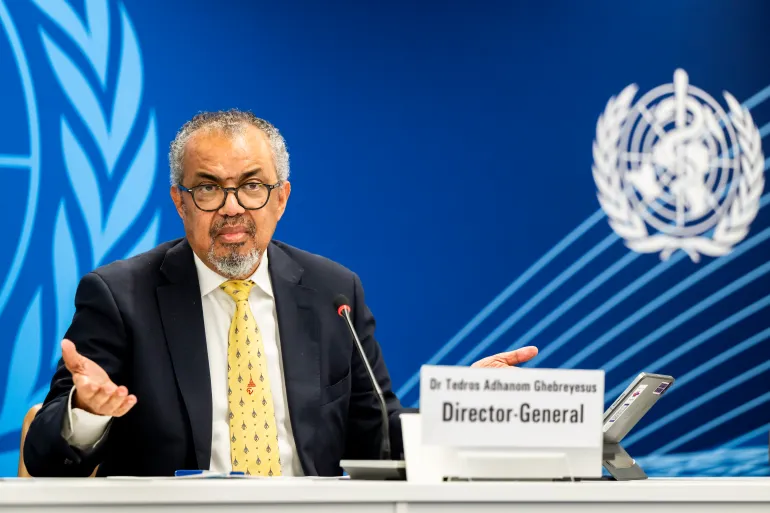
WHO Director-General Tedros Adhanom Ghebreyesus said efforts to encourage young people to exercise had made little progress, with girls continuing to record lower activity levels than boys in almost every region.
"For 15 years, the world has made almost no progress in getting young people moving, and girls are being left furthest behind," Tedros said.
The study identified a clear gender gap, with 28 per cent of girls reporting no physically active days in the previous week, compared to 22 per cent of boys.
It also found that only 11 per cent of girls were physically active every day, against 17 per cent of boys, highlighting the wider disparity in exercise levels between the two groups.
Beyond gender differences, the research revealed considerable variations across countries.
In Namibia, Nepal and the Philippines, 40 per cent of adolescents reported having no physically active days during the week. In contrast, Bangladesh and Serbia recorded relatively higher activity levels, with more than 30 per cent of young people reporting daily physical activity.
The WHO said addressing the problem required more than simply urging teenagers to exercise more, arguing that governments and communities needed to create environments that encourage movement and make physical activity part of everyday life.
"The answer is not to tell adolescents to try harder. It is to build schools, streets and communities where moving, playing and being active is safe, easy and normal," Tedros said.
The organisation pointed to several factors that influence how physically active young people are, including the availability of safe spaces for recreation, access to suitable transport and whether roads and neighbourhoods allow children to walk or cycle safely.
School environments, social expectations and changing lifestyles, particularly the growing amount of time young people spend using screens, were also identified as factors affecting their activity levels.
The WHO called on countries to introduce policies that make exercise and other forms of physical activity easier for adolescents to access, both at school and within their communities.
"Countries need policies that make physical activity an easy, safe and accessible part of everyday life," the organisation said.