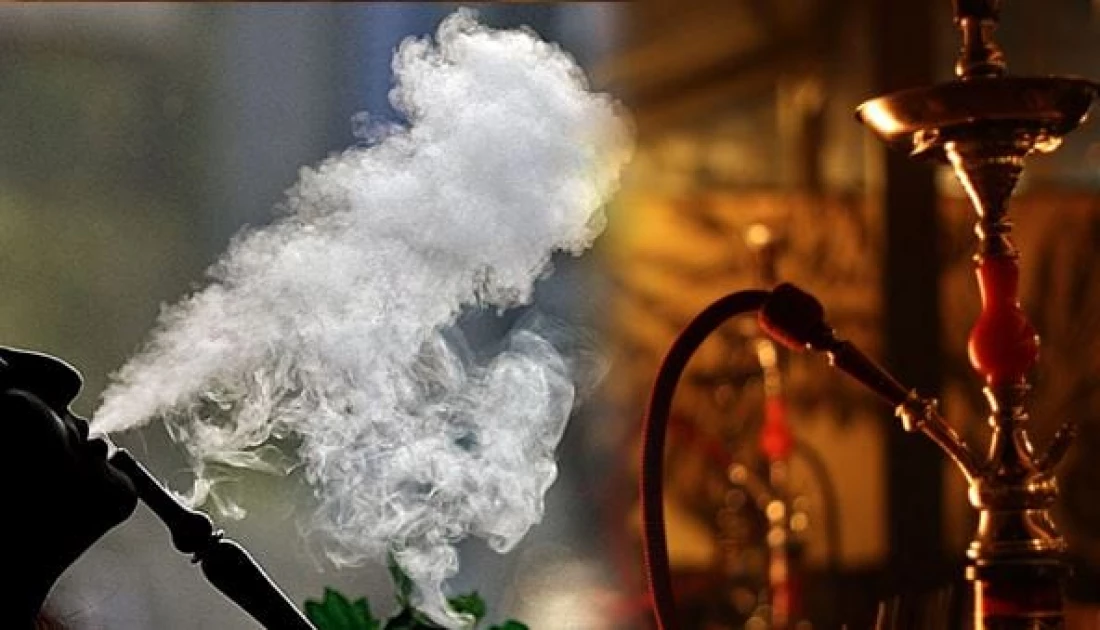
The High Court has lifted Kenya's ban on shisha after declaring that the continued enforcement of the prohibition was unlawful and unconstitutional, dealing a major blow to government efforts to keep the tobacco product off the market.
In a judgement delivered on Tuesday, Justice Bahati Mwamuye ruled that the Public Health (Control of Shisha Smoking) Rules, 2017, ceased to have legal effect after the government failed to regularise them within the period directed by an earlier High Court decision.
"The Public Health Control of Shisha Smoking Rules 2017, Legal Notice No. 292 of 2017, ceased to have effect upon the expiry of nine months from 26 July 2018," Justice Mwamuye said.
The court noted that an earlier ruling by Justice Roselyne Aburili had found procedural defects in the manner the regulations were enacted. However, the government was granted nine months to correct those shortcomings, during which the rules were allowed to remain in force.
The 2017 regulations had imposed a blanket ban on shisha by prohibiting its importation, manufacture, sale, offer for sale, use, advertising, promotion, facilitation and distribution across the country.
The case was filed by the Novel Tobacco Products Association, which challenged the continued enforcement of the ban and subsequent government directives targeting its members. The association argued that the State had continued to rely on regulations that were no longer legally valid.
Justice Mwamuye held that the association had the legal standing to file the petition on behalf of its members and found that the case had not been brought after an unreasonable delay.
According to the court, the government's failure to regularise the regulations within the timeline set by the earlier judgement meant the rules could no longer be used as the legal basis for enforcing the shisha ban.
As a result, the judge declared that continued enforcement of the prohibition through government directives and press releases issued in 2025 was unlawful.
The court specifically invalidated a February 3, 2025 press release that stated the shisha ban remained in force and an April 14, 2025 announcement on a crackdown targeting illegal shisha outlets in Nairobi, declaring both notices unlawful and unconstitutional.
Justice Mwamuye further found that the continued enforcement of the ban violated the constitutional rights of members of the petitioning association under Articles 27, 40, 47 and 50(2)(n) of the Constitution.
"A conservatory order be and is hereby issued restraining the first, second, third and fourth respondents, their agents and employees from enforcing the unlawful notices issued on 3 February 2025 and 14 April 2025 against the members of the association," the judge ruled.
The court also held that the consumption of tobacco products could not be prohibited through subsidiary legislation that failed to comply with the requirements of the Statutory Instruments Act, 2013.
Justice Mwamuye further ruled that the preferential treatment of some tobacco products over others, as currently framed, was unconstitutional because it violated the right to equality under Article 27 of the Constitution.
The decision effectively prevents authorities from relying on the 2017 regulations and the subsequent 2025 notices to continue enforcing the shisha ban against members of the petitioning association.