

Kenya continues to record thousands of road deaths annually, with pedestrians, motorcyclists and passengers bearing the greatest burden despite government enforcement operations, road safety campaigns and infrastructure improvement programmes.
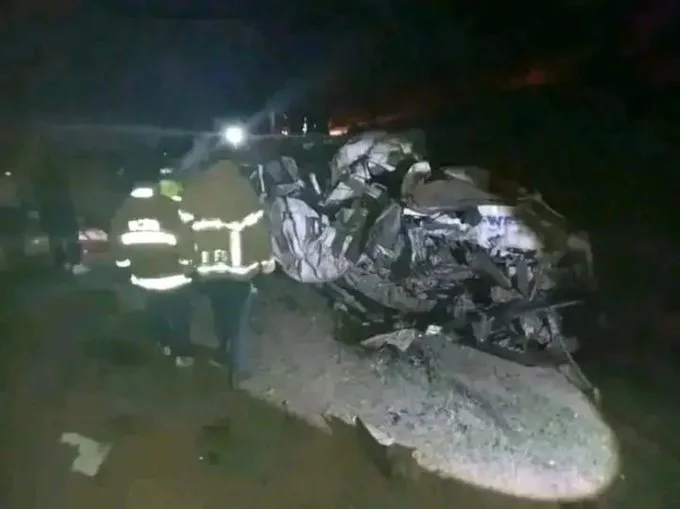
The road crashes come amid two devastating crashes in October 2026. A collision between a passenger bus and a lorry at Kanga, near Mtito Andei, on October 25 killed 24 people, barely three weeks after a multi-vehicle accident at Salama in Makueni County claimed 17 lives.
According to the Kenya National Bureau of Statistics (KNBS) Economic Survey 2026, 5,009 people died in reported road accidents in 2025, compared with 4,748 in 2024, representing a 5.5 per cent increase.
Reported crashes also increased from 11,165 in 2024 to 11,638 in 2025, while the number of people killed or injured rose from 24,245 to 24,905.
Between 2021 and 2025, reported accidents increased by approximately 14 per cent, while fatalities rose by 9.4 per cent.
The National Transport and Safety Authority (NTSA) recorded 3,995 deaths between January 1 and October 4, 2026, a 9.2 per cent increase from the 3,657 fatalities recorded during the corresponding period in 2025.
The figures reaffirm the persistence of a national road safety problem despite successive government interventions.
Pedestrians remain the most vulnerable road users, accounting for 1,490 of the 3,995 deaths recorded by NTSA between January and October 4, 2026.
Motorcyclists followed with 1,061 fatalities, while passengers accounted for 662 and drivers 352.
The 2024 KNBS figures similarly recorded 1,801 pedestrian deaths, 1,166 motorcyclist deaths, 874 passenger deaths and 404 driver deaths.
The figures expose the dangers facing people walking alongside busy roads, often without adequate footpaths, pedestrian crossings, street lighting or protective infrastructure.
Motorcyclists are similarly exposed because they lack the protective structure available to occupants of cars and buses. Inadequate helmets, speeding, reckless riding and poor motorcycle maintenance further increase the risk of fatal injuries.
State Department for Roads Principal Secretary Joseph Mbugua has emphasised the importance of enforcing standards for protective equipment.
In April 2026, Mbugua cited Rwanda's experience, arguing that enforcing international standards, particularly those governing motorcycle helmets, could produce measurable reductions in road injuries and deaths.

NTSA has identified more than 270 accident black spots nationally, with 199 located along the Mombasa-Malaba Northern Corridor.
The Nairobi-Mombasa highway remains a major concern because it carries passenger vehicles, commercial trucks and other traffic serving the Port of Mombasa and inland destinations.
The Salama and Mtito Andei tragedies have renewed questions about road design, overtaking opportunities, traffic separation and the pace of infrastructure improvements.
Following the October 3 Salama accident, Makueni Governor Mutula Kilonzo Junior renewed calls for the highway to be upgraded into a dual carriageway.
“I urge the national government through KeNHA to take quick measures and improve safety at Salama and give it the same attention that was taken at dangerous sections of Salgaa and Nithi Bridge,” Mutula said.
He also demanded the establishment of a trauma centre along the highway.
“I demand the establishment of a Trauma Centre along the highway to provide emergency medical care to crash victims,” he said.
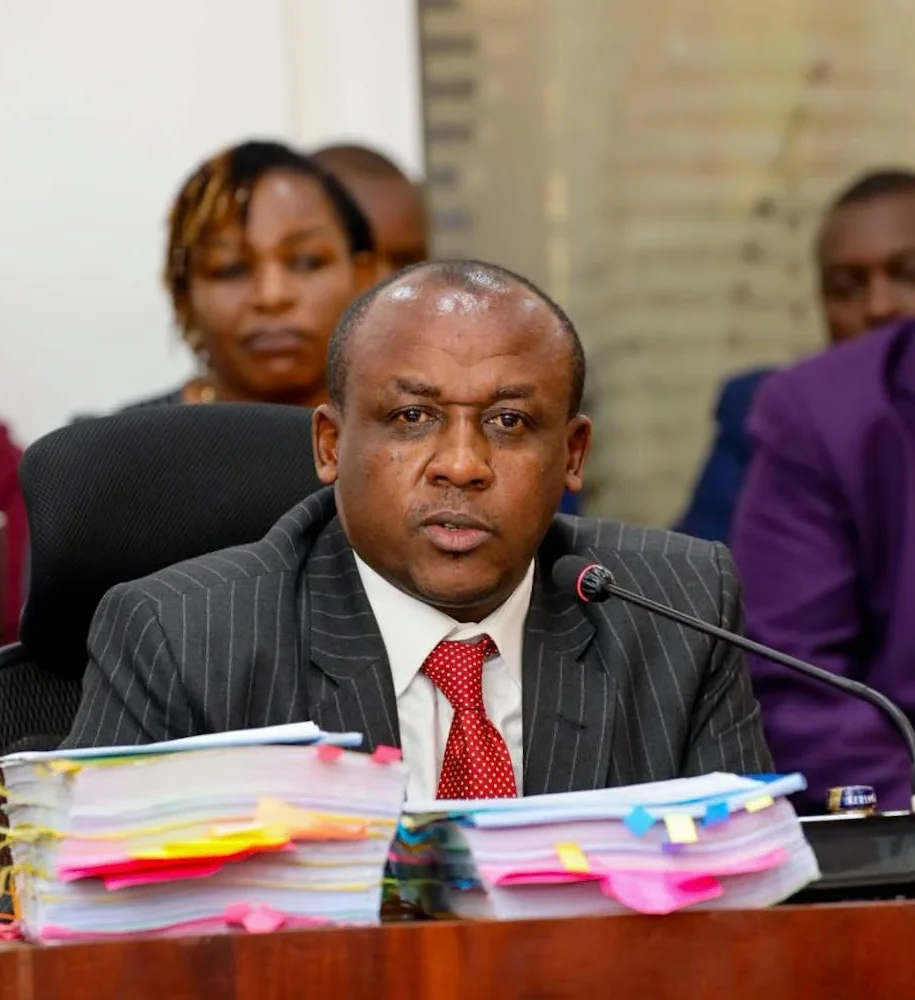
KeNHA Director General Luka Kimeli has acknowledged the need for major highway improvements, saying expanding more than 2,500 kilometres of roads could significantly reduce accidents.
“We have lost a lot of lives on that road, and we hope that when the issue of dualling is addressed, we shall not have the kind of problems we are currently having,” Kimeli told Citizen TV.
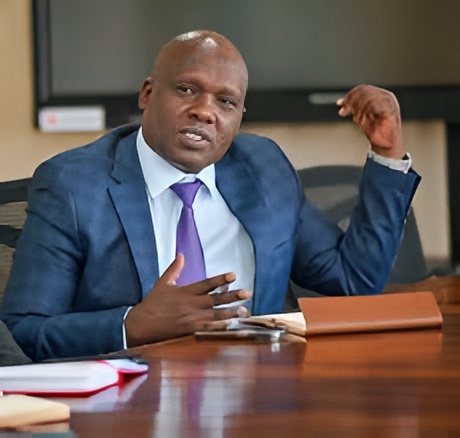
He identified inadequate funding as a major obstacle, noting that road agencies compete with other government sectors for resources.
The KNBS Economic Survey identifies overloading, driver fatigue, drunk driving, reckless driving, failure to observe traffic rules and poor road infrastructure among the leading causes of accidents.
Speeding and dangerous overtaking remain particularly concerning on highways where buses, matatus, private vehicles and heavy commercial trucks share limited road space.
Police attributed the Salama accident to an unsuccessful overtaking manoeuvre, while preliminary reports following the Mtito Andei collision also pointed to improper overtaking.
Deputy Inspector General of Police Eliud Lagat warned motorists against reckless driving following the Salama tragedy.
“There are so many accidents happening which can be avoided. Recently we lost 17 people along the Mombasa-Nairobi highway due to human error,” Lagat said on October 8.
He cautioned that increased movement during the Christmas festivities would place additional pressure on the country's roads.
Inspector General of Police Douglas Kanja has similarly urged motorists to exercise caution, particularly during periods of increased travel.
“The Christmas period means heavy movement on our roads; motorists must be alert and patient,” Kanja said in December 2025.
The National Police Service says it has adopted joint enforcement operations with NTSA, including targeted traffic operations and public sensitisation.
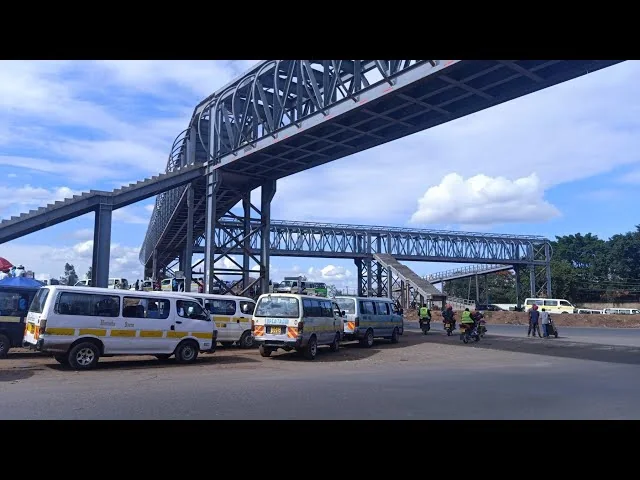
However, the continued increase in fatalities raises questions about the consistency of enforcement, prosecution of traffic offences and accountability for dangerous driving.
The government launched the National Road Safety Action Plan 2024-2028, targeting a 50 per cent reduction in road deaths and serious injuries by 2030.
The strategy adopts the Safe System approach, recognising that preventing fatalities requires interventions covering road users, vehicle standards, infrastructure, speed management and emergency response.
Roads and Transport Cabinet Secretary Davis Chirchir has described the continuing fatalities as unacceptable.
“Road crashes continue to claim innocent lives, destroy families, overwhelm our health system and undermine national economic productivity. We cannot continue treating road safety as business as usual,” Chirchir said following the Mtito Andei accident on October 25.
President William Ruto subsequently directed thorough inspections of public service vehicles to ensure compliance with safety requirements.
The government is also implementing digital enforcement through NTSA's partnership with the National Police Service, including the rollout of 1,000 smart traffic cameras intended to detect speeding, lane violations and failure to wear seatbelts.
Principal Secretary for Transport Mohamed Daghar has identified legislative and institutional reforms as important components of the government's response.
The Ministry has initiated a review of the Traffic Act to strengthen road traffic legislation and improve enforcement. Daghar has also called on county governments to implement local road safety programmes, strengthen enforcement and allocate resources to County Transport and Safety Committees.
The government's implementation report shows that all 47 counties have established the committees, although only 81 per cent had been inducted into their responsibilities at the time of reporting.
Infrastructure agencies have also undertaken interventions. KeNHA, KeRRA, KURA and NTSA have conducted road safety audits to identify dangerous locations.
The report records 87 kilometres of walkways constructed by KURA, alongside 17 bridges and pedestrian facilities.
KeRRA has undertaken risk-targeting analysis of 32 priority roads to identify high-risk corridors requiring intervention.
Other completed and ongoing improvements include projects at Kibarani-Makupa Causeway, Salgaa-Sachangwan, Kinungi-Ihindu-Karai and Ngata Bridge.
Despite these interventions, the continuing fatalities raise questions about the speed, geographical coverage and effectiveness of road safety investments.
The availability of ambulances, trained emergency personnel and properly equipped trauma facilities can determine whether accident victims survive.
The Ministry of Health launched the National Ambulance Dispatch Centre in August 2026, establishing a centralised emergency medical coordination platform serving all 47 counties.

Accessible through the 922 emergency lifeline, the system is designed to coordinate ambulance deployment, referrals, emergency calls and communication between ambulance crews and hospitals.
Health Cabinet Secretary Aden Duale described the centre as an important step towards integrating emergency medical services.
The government says the platform incorporates emergency call management, clinical triage and real-time incident management, with more than 200 accredited ambulances being integrated alongside county and private-sector providers.
President Ruto also announced that ambulance evacuation and the first 24 hours of emergency treatment would be covered through the Emergency, Chronic and Critical Illness Fund, regardless of whether a patient is registered with the Social Health Authority.
“In an emergency, the first question must never be whether a patient can pay—the first duty is to save lives. No deposit, no guarantee, no negotiations,” Ruto said.
However, the effectiveness of the system will need to be assessed through actual ambulance response times, geographical coverage, availability of trauma beds and the number of patients receiving emergency treatment within critical timeframes.
NTSA estimates that accidents cost Kenya approximately Sh450 billion annually through loss of life, injuries, property damage and reduced productivity.
Families lose breadwinners, children lose parents, while survivors face permanent disabilities, lengthy rehabilitation and loss of employment. Businesses also lose workers and productivity.
On October 25, NTSA Director General Nashon Kondiwa called for road traffic crashes to be declared a national disaster, arguing that the country required coordinated government action, additional funding and stronger enforcement.
The proposal comes against the backdrop of continued fatalities despite the National Road Safety Action Plan and several infrastructure and enforcement interventions.
The police must demonstrate consistent enforcement of traffic laws, NTSA must strengthen vehicle inspections and driver regulation, while KeNHA, KURA and KeRRA must demonstrate measurable improvements along dangerous roads.
County governments must also deliver safer local transport infrastructure, while the Ministry of Health must ensure that the new emergency response system translates into faster access to life-saving treatment.
"Ultimately, the success of Kenya's road safety strategy will not be measured by the number of campaigns launched, cameras installed or vehicles impounded, but by its ability to reduce road deaths and prevent life-changing injuries."
For thousands of Kenyan families, another road crash is not simply a statistic. It is the loss of a parent, child, relative, colleague, and livelihood.