
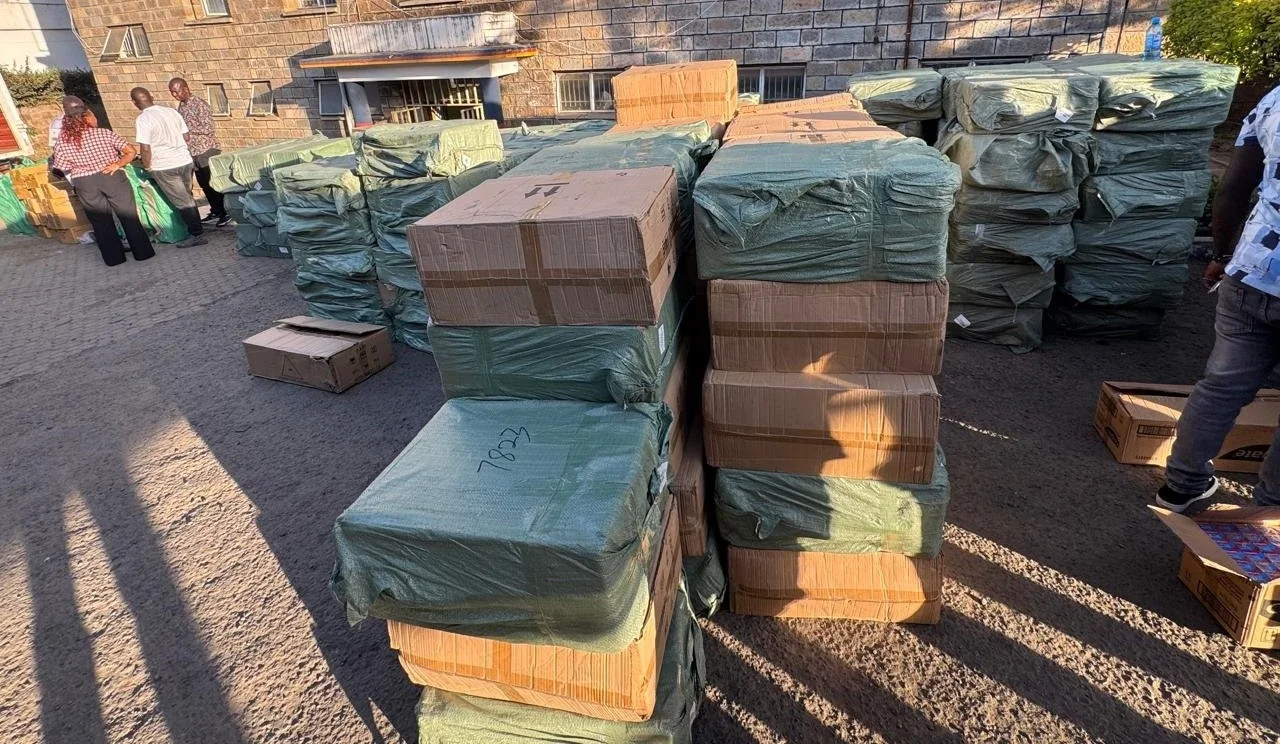
Detectives have arrested 29 suspects and seized suspected counterfeit and smuggled goods worth more than Sh62.7 million in a three-day nationwide operation targeting illegal trade, fake products, illicit alcohol, suspected human trafficking and other crimes.
The operation, code-named Usalama XII, brought together the Directorate of Criminal Investigations (DCI), INTERPOL and several government agencies in coordinated raids across seven regions. Officers also rescued seven people suspected to be victims of human trafficking, recovered 85 Kenyan passports from a suspected illegal recruitment agency and carried out 198 vehicle checks using INTERPOL databases.
In a statement issued on Thursday, the DCI said the operation covered Nairobi, Central, Coast, Rift Valley, Eastern, Nyanza and Western regions. The crackdown involved the Kenya Revenue Authority (KRA), Anti-Counterfeit Authority (ACA), Kenya Wildlife Service (KWS), Pharmacy and Poisons Board and other law enforcement agencies.
The teams targeted counterfeit goods, illegal alcohol, soft drinks, smuggled cigarettes, personal care products, falsified medicines, human trafficking and wildlife-related offences.
In Nairobi, detectives recovered thousands of suspected counterfeit products, including electrical accessories, sportswear and automotive parts.
Among the items seized were 3,991 suspected counterfeit Samsung and iPhone adapters, 1,963 football jerseys and Adidas balls, beauty products, vehicle spare parts and lubricants.
Officers also raided an unlicensed clinic in Kayole, where they recovered suspected falsified medicines and public medical supplies believed to have been diverted from the official supply chain.
In a separate operation in Eastleigh, detectives from the National Anti-Narcotic Investigations Bureau seized bottles of products suspected to contain narcotic or psychotropic substances from a pharmacy. The products were taken for further analysis.
The crackdown also targeted suspected networks involved in human trafficking and the exploitation of vulnerable people.
In Westlands, detectives arrested a suspect at a recruitment agency allegedly operating without the required licence. Officers recovered 85 Kenyan passports, work visas and employment contracts during the operation.
In Roysambu, three girls were rescued from suspected sexual exploitation. Another operation in Gilgil led to the interception of four Somali nationals suspected to be victims of human trafficking, including two minors.
The recovery of the passports and the rescue of the suspected victims formed part of the wider effort to identify and disrupt networks suspected of exploiting people through illegal recruitment and other activities.
Smuggled cigarettes, illegal alcohol seized
In Nakuru, officers arrested a suspect found transporting 90,000 sticks of suspected smuggled cigarettes valued at approximately Sh2 million. Detectives also recovered counterfeit excise stamps.
Other operations in the Central and Nyanza regions resulted in arrests and the seizure of suspected counterfeit and unmarked alcoholic beverages.
Officers also recovered suspected counterfeit mobile phones, storage devices and footwear as the operation extended to different types of goods believed to be entering or circulating in the market illegally.
The DCI said the nationwide exercise was coordinated by the National Central Bureau and the Director of Operations at DCI headquarters, with support from regulatory agencies, brand owners and local police units.
The operation comes amid concerns over the continued circulation of counterfeit goods in Kenya and the effects on consumers, legitimate businesses and government revenue.
A 2025 firm-level survey published by the Anti-Counterfeit Authority found that an average of 18 per cent of products in the sectors covered by the study were counterfeit.
Automotive spare parts recorded the highest rate among the cited categories, at 21 per cent, while alcoholic beverages had a counterfeit rate of 19 per cent.
The survey also found that 53 per cent of respondents had experienced an increase in counterfeit incidents over the preceding year. They pointed to demand for cheaper goods, weak enforcement and economic pressures as some of the factors contributing to the problem.
The findings raise concerns about products such as electrical adapters, vehicle components, medicines and alcoholic drinks, which may pose safety risks to consumers while putting legitimate traders at a disadvantage.
Counterfeit electrical accessories and vehicle parts, for instance, may fail to meet the required safety standards, while falsified medicines and alcoholic beverages may expose consumers to further health risks.
In a separate publication in 2025, the Anti-Counterfeit Authority reported that counterfeit products were increasingly being sold through online channels, including social media and local e-commerce platforms.
The products were also being distributed through street vendors and small shops, making the trade a challenge across both online and physical markets.
The Kenya Revenue Authority has separately warned against excisable goods carrying counterfeit tax stamps, noting that such products may be confiscated and lead to legal action under the applicable laws.
Through Operation Usalama XII, enforcement agencies are seeking to tackle the different forms of illegal trade, including the sale of suspected counterfeit products, smuggling, the circulation of potentially dangerous goods and suspected human trafficking.
The operation also highlights the role of cooperation among investigative agencies, regulators, brand owners and police units in identifying illegal activities and taking action against those suspected of involvement.