
The Ministry of Health has clarified that existing pharmaceutical facilities will not be required to close or change their status within three months following the rollout of the 2026 Good Pharmacy Practice (GPP) Standards.
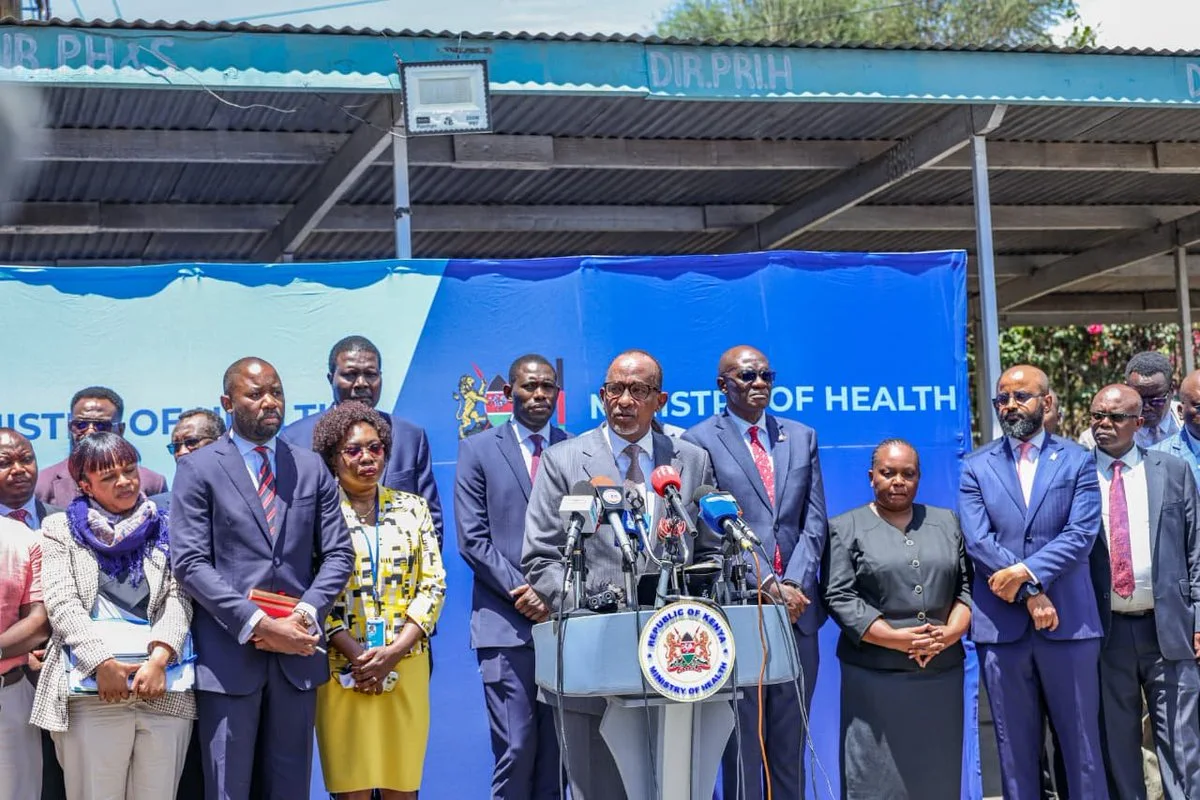
The clarification was made after a consultative meeting between the Ministry, the Pharmacy and Poisons Board (PPB) and the Kenya Pharmaceutical Association (KPA), chaired by Health Cabinet Secretary Aden Duale.
The stakeholders agreed that implementation of the standards will be guided by the category of each facility, its level of risk and the professional superintendence requirements applicable to it.
The clarification is expected to address concerns over the impact of the new standards on existing pharmaceutical facilities and practitioners.
“The Standards do not prevent qualified and licensed pharmaceutical technologists from practising,” the stakeholders said.
They noted that licensed pharmaceutical technologists will continue providing pharmaceutical services within the scope allowed by law.
The meeting also provided clarity on which professionals can superintend different levels of health facilities.
Licensed pharmaceutical technologists will be allowed to superintend Level 3B facilities, while Level 3A facilities, Level 4 hospitals and facilities above this level will continue to require pharmacist-led superintendence.
The Ministry said the requirements would remain aligned with existing laws and regulations governing pharmaceutical practice.
The stakeholders further clarified that the introduction of the 2026 GPP Standards does not override existing controls on narcotic and psychotropic substances.
The legal requirements governing the handling and control of such substances will therefore continue to apply to pharmaceutical facilities and practitioners.
Duale said continued engagement between the government, regulators and professional associations would be important in ensuring the standards are implemented effectively.
The meeting brought together PPB Chief Executive Officer Dr Ahmed Mohammed, PPB Chairperson Dr John Munyu, KPA Deputy President Williamson Chumba and KPA Secretary General Eric Gichane.
The Ministry said the consultations would help translate the standards into practical requirements for pharmaceutical facilities and professionals.
It also said continued engagement would support compliance while strengthening the quality, safety and accountability of pharmaceutical services.
The stakeholders agreed to maintain collaboration as implementation progresses, with attention to the different categories of facilities and the professional requirements applicable to each.
The clarification places emphasis on gradual compliance rather than immediate changes to the status of existing facilities.
The Ministry said facilities would be assessed according to their category and level of risk, while professional superintendence requirements would continue to guide operations.
The agreement also provides pharmaceutical technologists with clarity on their permitted scope of practice, while retaining pharmacist-led superintendence for higher-level facilities.
The Ministry, PPB and KPA said continued consultation would remain important as the 2026 standards are put into practice across the pharmaceutical sector.