
Diploma-trained pharmaceutical technologists have won a reprieve after the Ministry of Health agreed to retain their authority to oversee pharmacy services at Level 3B health facilities, reversing contentious provisions in proposed practice guidelines that had threatened to narrow their responsibilities.
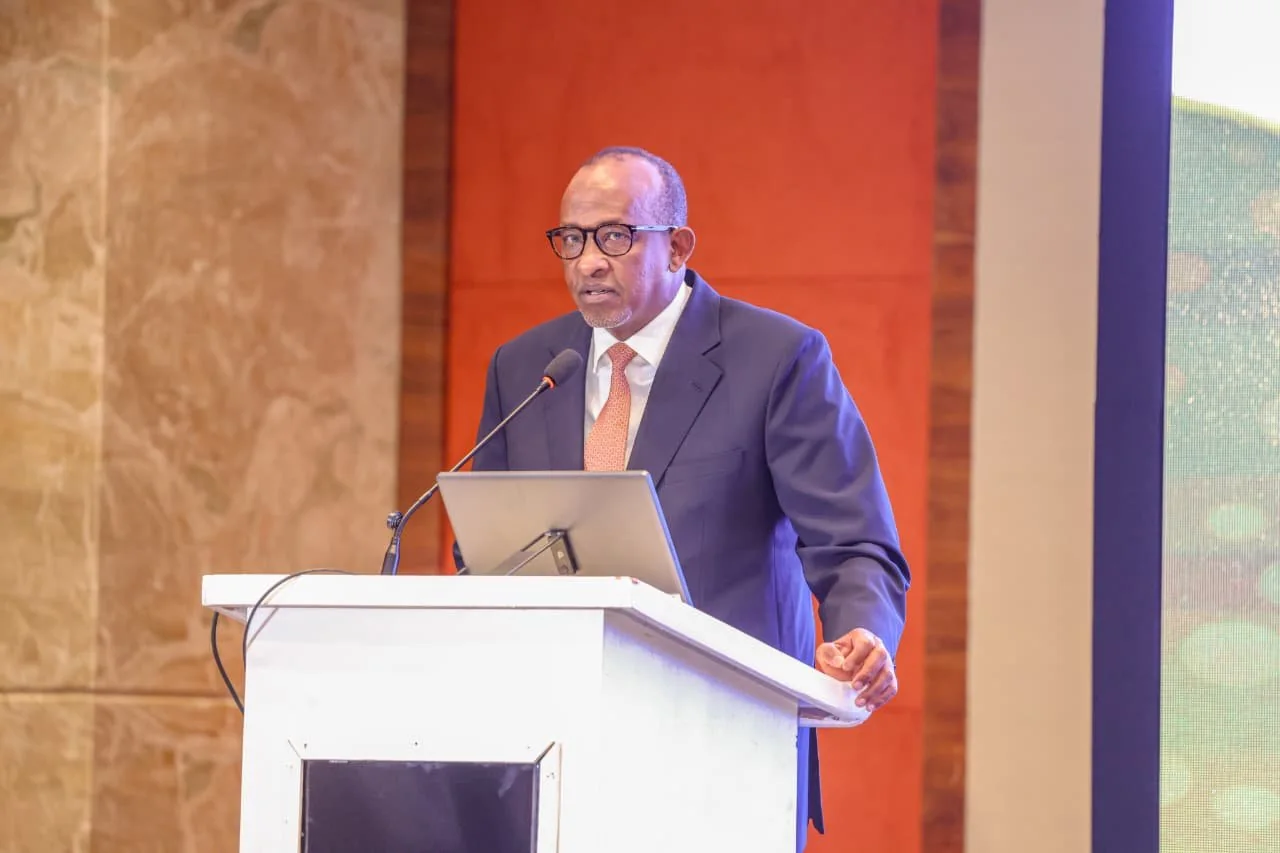
The agreement was reached on Tuesday following a meeting at Afya House in Nairobi, chaired by Health CS Aden Duale and attended by officials from the Pharmacy and Poisons Board (PPB) and the Kenya Pharmaceutical Association (KPA).
The KPA, which represents pharmaceutical technologists, had raised concerns over the new rules, particularly provisions affecting diploma holders who work in health facilities across the country.
Under the agreement, licensed pharmaceutical technologists will continue to superintend pharmacy services at Level 3B facilities. However, the responsibility for pharmacies at Level 3A facilities, Level 4 hospitals and facilities above this level will remain with degree-trained pharmacists.
The ministry also agreed to lift a proposed restriction on diploma holders handling narcotic and psychotropic medicines, drugs used in managing some mental illnesses and other medical conditions.
The dispute arose from the new Good Pharmacy Practice (GPP) Guidelines 2026, which are now in their 11th draft after being published last month.
The proposed rules had barred diploma holders from managing drug stores in health centres, effectively restricting them to the management of dispensaries. Pharmaceutical technologists were also prohibited from handling narcotic and psychotropic drugs under the disputed provisions.
The changes had sparked opposition from the KPA, which sought clarification and a review of the provisions affecting the work of pharmaceutical technologists.
Following the meeting, the ministry clarified that the GPP standards do not shut qualified and licensed pharmaceutical technologists out of pharmacy practice, as long as they operate within the duties permitted by law.
“The Good Pharmacy Practice Standards do not prevent qualified and licensed pharmaceutical technologists from practising. They will continue to provide pharmaceutical services within the scope permitted by law,” Duale said.
The CS further outlined the level of facilities where pharmaceutical technologists can take charge of pharmacy services, while reaffirming the requirement for pharmacists to lead services at larger health institutions.
“Licensed pharmaceutical technologists may superintend Level 3B facilities. Level 3A facilities, level 4 hospitals and facilities above this level will continue to require pharmacist-led superintendence, in line with applicable laws and regulations.”
The agreement leaves Level 3B facilities open to management by licensed pharmaceutical technologists, while setting a higher qualification requirement for Level 3A facilities and hospitals.
Level 3B facilities provide general medical and dental services and have limited inpatient care, but do not have an operating theatre.
Level 3A facilities offer a wider range of services and include comprehensive health centres with surgical and maternity theatre capacity.
The distinction is now reflected in the ministry's position on who should supervise pharmacy services at each level, with pharmaceutical technologists retaining their role at Level 3B and degree pharmacists remaining in charge at Level 3A, Level 4 and higher facilities.
The resolution ends the immediate dispute over provisions in the latest GPP draft that had raised concerns among diploma-trained pharmaceutical technologists over their ability to manage pharmacy services and handle certain medicines.
The ministry, PPB and KPA will now proceed with the agreed position, allowing licensed pharmaceutical technologists to practise within the limits set by law while maintaining pharmacist-led superintendence at higher-level health facilities.