
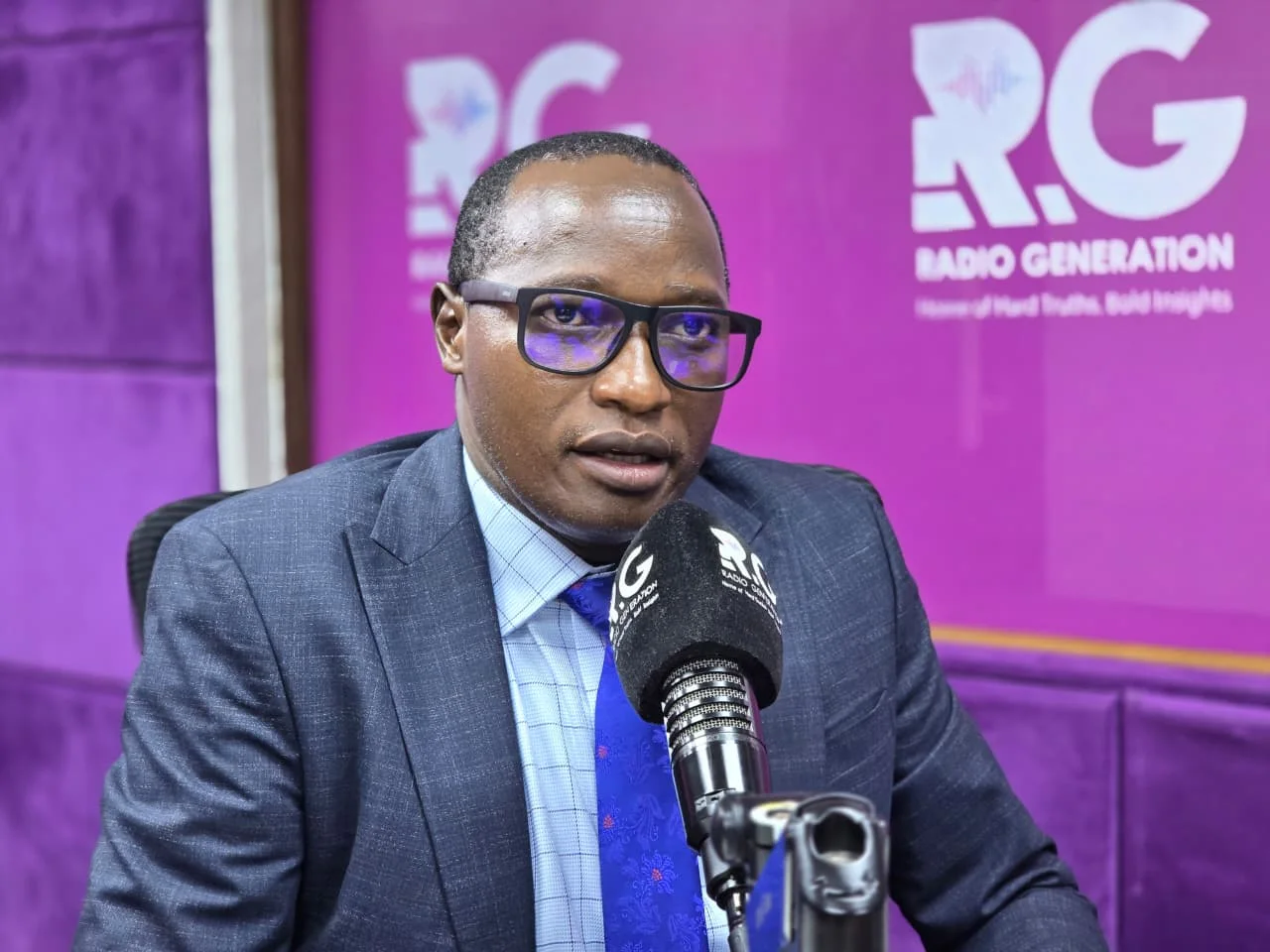
Mukurweini MP John Kaguchia has raised concerns over a proposed change to Kenya’s higher education funding system, warning that university students could leave campus burdened with millions of shillings in loans if government scholarships are converted into repayable funding.
Kaguchia argues that the proposed Tertiary Education, Placement and Funding Bill, 2026, would shift a greater share of university education costs to students and their families through the establishment of the Tertiary Education Funding Authority (TEFA), despite President William Ruto's assurances that higher education would become free.
Speaking on Radio Generation on Thursday, the MP said the proposed framework would turn government support currently provided through scholarships into loans that beneficiaries would have to repay after completing their studies.
To demonstrate the possible financial impact, Kaguchia used the example of a medical student whose training costs approximately Sh600,000 annually over a six-year course.
Under the existing funding arrangement, he explained, the government provides about Sh500,000 annually through scholarships and other support, while the student contributes Sh40,000 from personal resources and obtains a Sh60,000 loan from the Higher Education Loans Board (HELB).
Over the six years, this translates to government support of approximately Sh3 million, Sh360,000 in student loans and Sh240,000 paid directly by the student.
However, Kaguchia said the proposed system would change this arrangement by treating the entire annual cost of Sh600,000 as a loan, potentially leaving the graduate owing Sh3.6 million upon completing medical school.
"You will not be paying the Sh240,000 and the Sh360,000. But here is the catch: the Sh500,000 that the government paid for you, plus the Sh60,000 that you collected as a loan, gives Sh560,000. You add the Sh40,000 that you paid for yourself, giving you Sh600,000, is given to you as a loan," he said.
The Bill, sponsored by National Assembly Majority Leader Kimani Ichung'wah, seeks to establish TEFA by bringing together responsibilities currently handled by HELB, the Universities Fund and the TVET Funding Board.
It also proposes a funding structure that would draw resources from government allocations, pension funds, sovereign wealth funds, private investors and other sources to support tertiary education.
Kaguchia, however, cautioned that bringing private investors into the funding system could increase the cost of borrowing for students, arguing that such financiers would expect returns on their investments.
He also took issue with provisions allowing TEFA to set interest rates in consultation with the Cabinet Secretary for the National Treasury, saying the arrangement could replace the current fixed interest rate of four per cent with rates determined under the proposed authority.
The MP further questioned a requirement that graduates start repaying their loans within 12 months of completing their studies, regardless of whether they have found employment.
Under Clause 49(4), the proposed legislation limits monthly deductions for loan repayment to 25 per cent of a graduate's salary.
Kaguchia warned that such deductions, when combined with income tax, the housing levy and other statutory contributions, could leave young professionals struggling to meet their daily expenses.
Using the example of a graduate earning Sh100,000 per month, he said PAYE deductions could take Sh30,000, while student loan repayments would account for another Sh25,000 before other statutory charges and personal expenses are considered.
"Out of Sh100,000, you may be left with Sh39,000. So what are we saying? Because now we have not deducted SHA, we have not deducted housing levy, we have not paid rent, we have not even eaten," he said.
Kaguchia Proposes Changes to Funding Bill
To address the concerns, Kaguchia said he had submitted proposed amendments seeking to retain scholarships alongside loans, with the level of support determined by a student's financial circumstances and vulnerability.
He also wants interest rates to be controlled through regulations that would be subject to parliamentary scrutiny, rather than leaving the decision to TEFA and the Treasury Cabinet Secretary.
On loan repayment, the MP is pushing for graduates to start making payments only after securing employment and earning an income, instead of being required to repay automatically one year after completing their studies.
Other proposed changes include safeguards to protect graduates' minimum take-home pay, restrictions on how much TEFA can borrow without parliamentary approval and the inclusion of student and parent representatives on the authority's board.
Kaguchia said he had already presented the proposed changes to the National Assembly Education Committee and would introduce them in the House if they were not incorporated during the committee stage.
He also questioned the decision to replace the existing HELB funding arrangement, arguing that the government should strengthen institutions already responsible for supporting students instead of introducing a system that could increase their financial burden.
The legislator maintained that the government could adequately support tertiary education through public resources if the money was properly managed. He pointed to concerns over alleged wastage and irregularities within the education sector as areas that needed to be addressed.
The proposed Tertiary Education, Placement and Funding Bill, 2026, is currently undergoing parliamentary consideration following public participation, with its provisions on scholarships, interest rates and loan repayment attracting concern from education stakeholders.