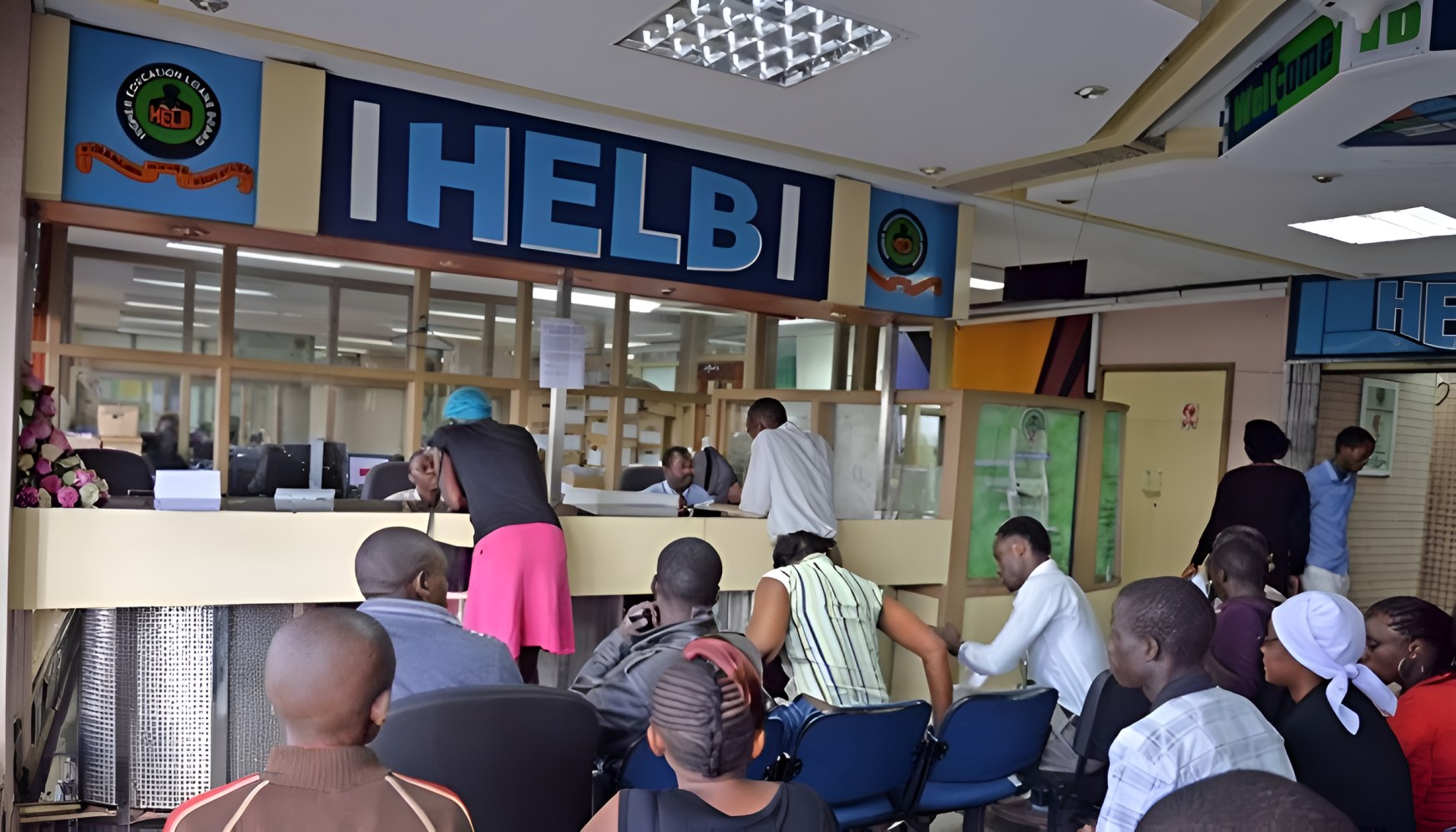
A major shake-up in Kenya's higher education sector is on the table after the Ministry of Education proposed doing away with the Higher Education Loans Board (HELB) and transferring its responsibilities to a new institution that would handle student funding and placement under one legal framework.
The proposal is contained in the Tertiary Education Placement and Funding Bill, 2026 one of several education reform Bills that were reviewed by the National Assembly's Education Committee following recommendations made by the Presidential Working Party on Education Reform.
The committee, chaired by Tinderet MP Julius Melly, concluded its consultative review of the Bills on Thursday, August 6, 2026.
According to a statement from Parliament, Principal Secretaries and senior officials from the Ministry of Education appeared before the committee to explain the proposed reforms and their expected impact on the education sector.
During the meeting, State Department for Higher Education Principal Secretary Beatrice Inyangala told lawmakers that the proposed legislation seeks to establish a single legal framework that will guide both student placement and government funding for tertiary institutions.
As part of the reforms, the Bill proposes combining the Higher Education Loans Board (HELB), the Universities Fund Board (UFB) and the TVET Funding Board (TVETFB) into one institution to be known as the Tertiary Education Funding Authority (TEFA).
“On funding, Dr. Inyangala said the Bill proposes the merger of the Higher Education Loans Board (HELB), the Universities Fund Board (UFB), and the TVET Funding Board (TVETFB) into the Tertiary Education Funding Authority (TEFA), which will oversee higher education funding, scholarships, and student loans,” Parliament stated.
If approved, the new authority would become the only agency responsible for student loans, scholarships and public funding for universities, colleges and Technical and Vocational Education and Training (TVET) institutions.
The committee was also informed that the proposed law seeks to remove legal uncertainty surrounding student placement.
“She noted that while the Kenya Universities and Colleges Central Placement Service (KUCCPS) is established under the Universities Act, it also places students in TVET institutions, creating a legal gap that the Bill seeks to address,” the statement read.
The proposed law further changes the way students and trainees would qualify for financial assistance from the government.
Parliament said Inyangala explained that future funding would be based on means testing instead of the current system.
“She further noted that, unlike the current law, the Bill introduces means testing as the basis for determining the level of financial support to students and trainees, taking into account factors such as financial ability, special needs, affirmative action and the cost of the programme,” Parliament stated.
The new approach would be used to determine the amount of loans, scholarships and other government support awarded to students pursuing higher education.
The committee also heard views from State Department for TVET Principal Secretary Esther Muoria, who said the Principal Secretary in charge of TVET should have representation in the proposed placement body, which will operate through a multi-sectoral board.
Parliament added that the Bill seeks to ensure the Placement Service allocates students to public universities, TVET institutions and colleges based on merit and their preferred choices, while separating placement from the immediate award of financial support.
“The proposed Bill provides that the Placement Service will coordinate merit-based and choice-driven placement of qualified candidates into public universities, TVET institutions and colleges, while delinking placement from immediate financial awards to ensure access is based on merit and qualifications,” Parliament said.
Besides the higher education reforms, lawmakers also examined the proposed Basic Education Bill.
Parliament said the Bill proposes changes to the composition of Boards of Management by reducing their membership in line with the Mwongozo Code of Governance. The proposed changes remove representatives of teaching staff and students' councils while bringing on board representatives from the National Government Administration Officers (NGAO), alumni associations and the Principal Secretary responsible for Basic Education.
Following the discussions, members of the Education Committee recommended a joint retreat with the Ministry of Education together with its departments and agencies to allow a detailed review of every clause in the Bills before they are taken through the next stage of the parliamentary process.