
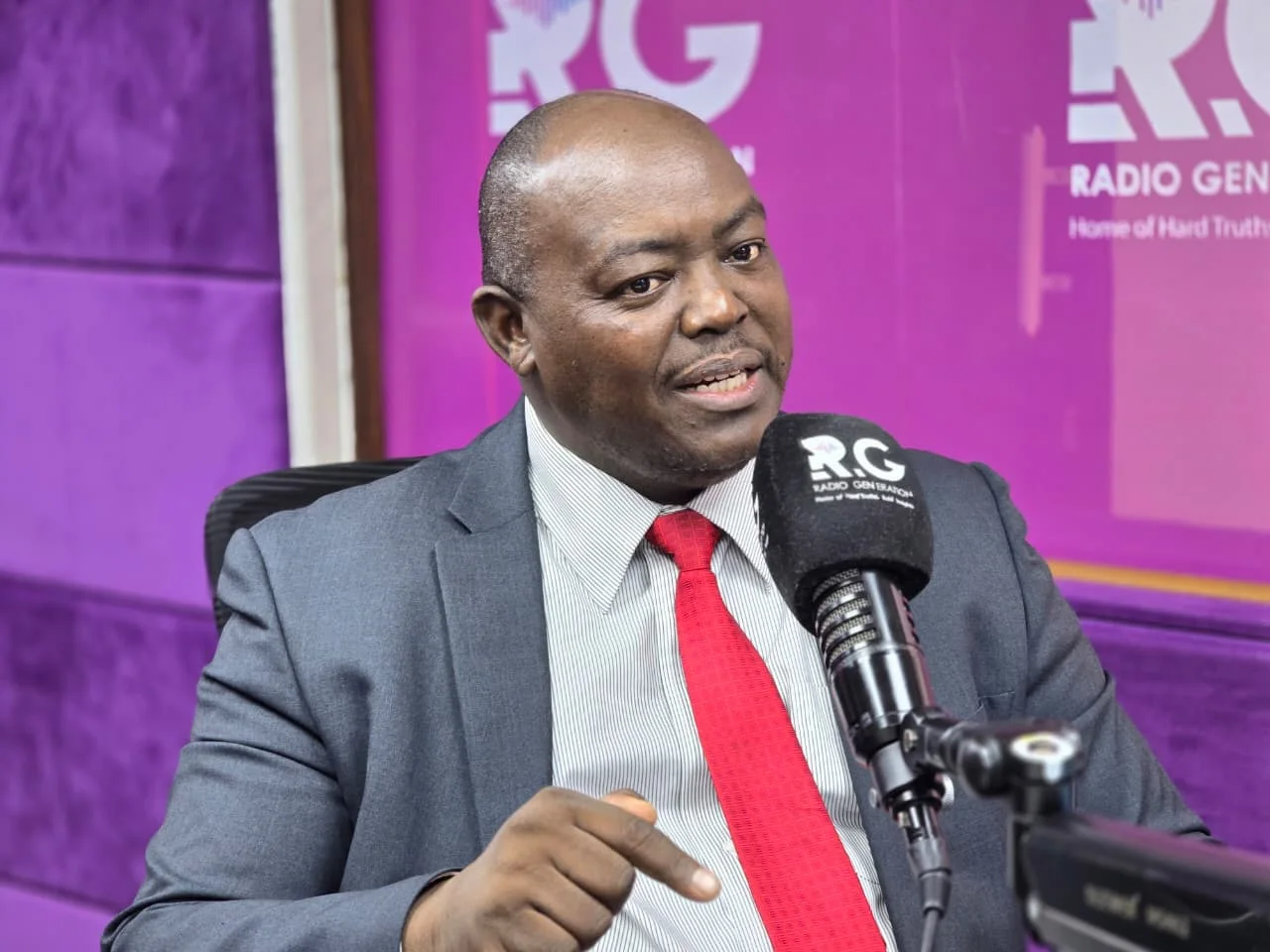
Constitutional lawyer Kibe Mungai has defended former Deputy President Rigathi Gachagua’s eligibility to contest the 2027 presidential election, arguing that a pending appeal against his impeachment shields him from disqualification until the legal process is concluded.
Mungai maintained that a three-judge High Court bench had already settled the question of whether a person removed from State office through impeachment can seek elective office while challenging the removal in court, citing a 2022 ruling involving former Nairobi Governor Mike Sonko.
Speaking on Radio Generation on Thursday, November 26, Mungai said the judges interpreted Article 99 of the Constitution alongside Article 75, establishing that protection against disqualification applies even where the removal from office stems from an impeachment process.
He argued that the court’s interpretation remains binding unless overturned by a higher court, warning that institutions responsible for overseeing elections cannot disregard the precedent.
“Unless and until that decision is changed, either by the Court of Appeal or by the Supreme Court, that is the law,” Mungai said.
The lawyer further argued that the ruling binds the Independent Electoral and Boundaries Commission (IEBC) and the Chief Justice, accusing the two institutions of making pronouncements that could create confusion over Gachagua’s eligibility to run for president.
His remarks came after IEBC dismissed reports suggesting it had cleared Gachagua to contest the presidency in 2027, clarifying that no candidate had been approved and that eligibility assessments would only be conducted during the official nomination process.
Mungai acknowledged that no presidential aspirant, including President William Ruto, could be formally cleared before the nomination exercise, which is expected to take place around May or June 2027.
However, he insisted that the commission must adhere to the existing judicial interpretation of the Constitution when determining candidates’ eligibility.
“The law that will be applied for the time being is this law, which has been defined by the Constitution and by a binding interpretation by the High Court of Kenya,” he said.
Article 99(3) of the Constitution, which outlines eligibility requirements for election as a Member of Parliament and consequently the presidency, provides that a person cannot be disqualified under the relevant provisions until any appeals or reviews have been concluded.
Article 75(3), on the other hand, provides for disqualification from holding State office where an individual has been removed from office for violating Chapter Six of the Constitution, which deals with leadership and integrity.
Mungai also faulted the High Court’s decision to uphold Gachagua’s impeachment, arguing that the finding that his right to a fair hearing had been violated was incompatible with the decision to sustain his removal from office.
The court had awarded Gachagua Sh50 million in damages over the violation of his rights.
“The Constitution of Kenya says the right to fair hearing is absolute. Any decision based on violations of the right to fair hearing is null and void. It cannot stand,” he said.
Gachagua has since filed an appeal against the High Court ruling, which is pending determination before the Court of Appeal.