
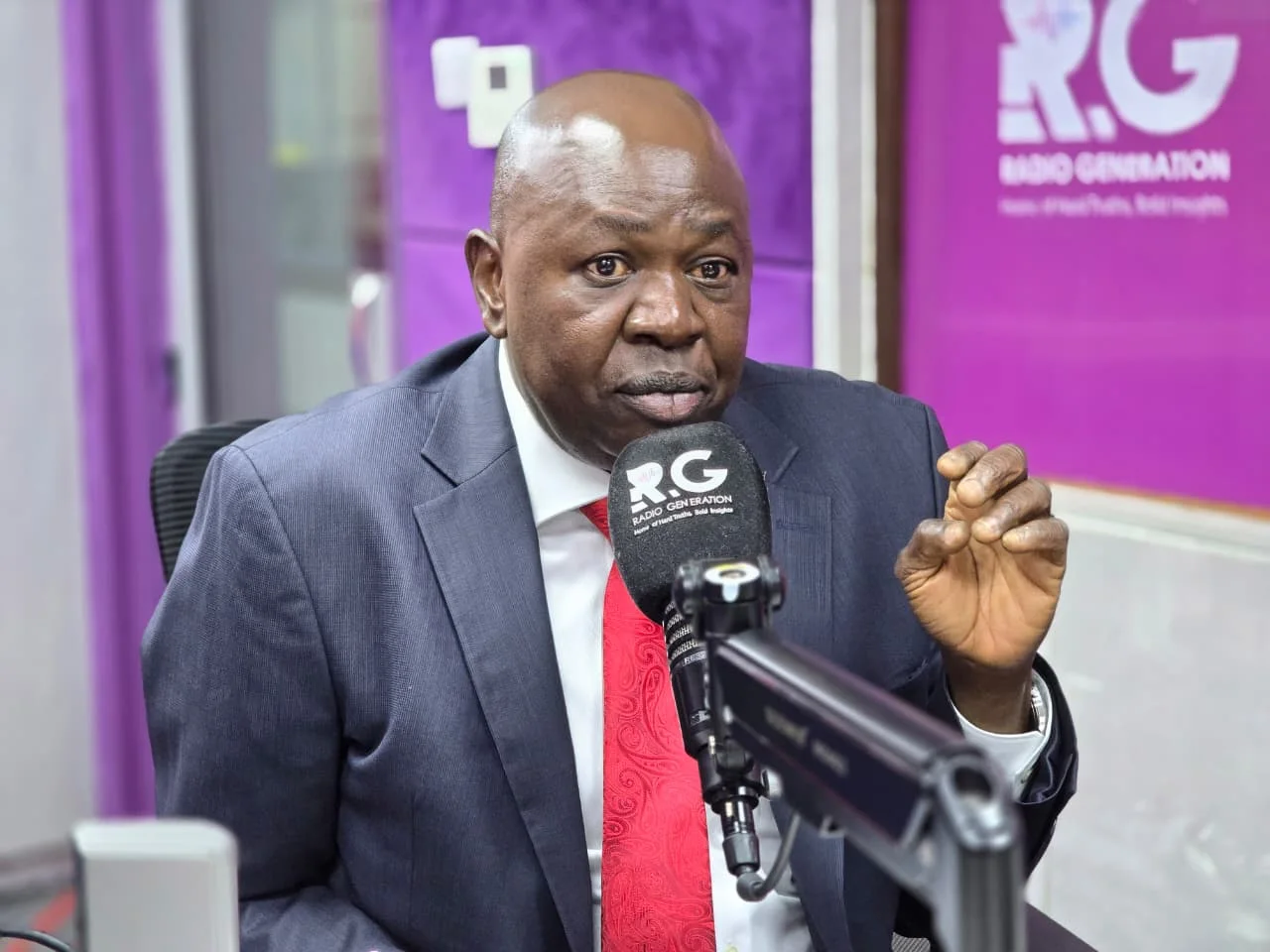
Government Spokesperson Charles Owino has urged opposition leaders and aspiring politicians to embrace constructive democratic debate, saying criticism of government policies should be accompanied by practical solutions and proposals for improvement.
Speaking during an interview on Radio Generation on Thursday, October 29, 2026, Owino defended Kenya’s multiparty democracy, arguing that opposition leaders have a responsibility to scrutinise government decisions, question public expenditure and hold those in power accountable.
“We are fortunate to have a multiparty democracy because it allows the opposition to question the government and hold it accountable. Checks and balances are essential to ensuring that those in power are scrutinised,” Owino said.
He said political criticism was an important component of democratic governance but maintained that leaders should also acknowledge progress where it occurs and identify areas requiring further government intervention.
The Government Spokesperson challenged opposition politicians to move beyond condemning government initiatives and instead provide evidence-based arguments and alternative proposals that could improve public service delivery.
He argued that questioning government decisions should be directed towards identifying weaknesses, correcting mistakes and ensuring public institutions deliver on their mandates.
According to Owino, constructive criticism would enable the government to explain its decisions while giving Parliament and other oversight institutions an opportunity to examine policies and expenditure.
He maintained that leaders should recognise that development initiatives could have shortcomings without dismissing the entire undertaking, adding that identifying gaps was necessary for improving implementation.
“It is important when we say yes, it’s true, we have done this, but we still need to do this. That is how we improve,” he added.
The government spokesperson also challenged aspiring legislators to use Parliament’s lawmaking and oversight functions to address public concerns, arguing that political engagement should extend beyond public statements and criticism.
He said some politicians concentrated on criticising government policies without translating their concerns into legislative proposals or practical interventions that could benefit citizens.
“You may find people who have been in Parliament and great noise-makers have never brought a single Bill before the floor of the House. Never, they just talk. And because we have this freedom and this space, let’s make use of it, but also let us not just be negative 100 per cent,” he said.
Owino urged political leaders to take advantage of democratic institutions to develop proposals that respond to citizens’ needs, rather than relying exclusively on public criticism to communicate their positions.
He cited the Constituency Development Fund (CDF) as an example of an initiative that originated through a private member’s motion, saying parliamentary proposals could translate public concerns into interventions at the grassroots level.
His remarks underscored the role of legislators in initiating laws, scrutinising government programmes and proposing measures intended to improve service delivery.
Owino maintained that Parliament provided an avenue through which opposition leaders could question government decisions, demand explanations and advance alternative policies within established constitutional processes.
Democratic freedoms come with responsibility
Owino also reflected on Kenya’s democratic history, noting that the country transitioned from multiparty politics after independence to a single-party system in the early 1980s before constitutional reforms restored multiparty competition.
He said the country’s democratic space allowed politicians to express dissenting views and challenge decisions made by the executive, but argued that such freedoms should be used to strengthen accountability and improve governance.
He emphasised that the executive, Parliament and the judiciary each had distinct responsibilities in ensuring public institutions operated within their constitutional mandates.
According to Owino, effective checks and balances depended on leaders and institutions exercising their responsibilities, including questioning decisions, identifying shortcomings and pursuing corrective measures.
He urged young and aspiring politicians to embrace objective debate and develop proposals addressing challenges affecting their constituents.
Owino maintained that constructive engagement did not require opposition leaders to abandon criticism but called for scrutiny to be accompanied by evidence, workable alternatives and a willingness to recognise areas where improvements had been made.
He said Kenya’s development would benefit from political leaders who use democratic institutions to challenge shortcomings, propose solutions and hold public officials accountable.