
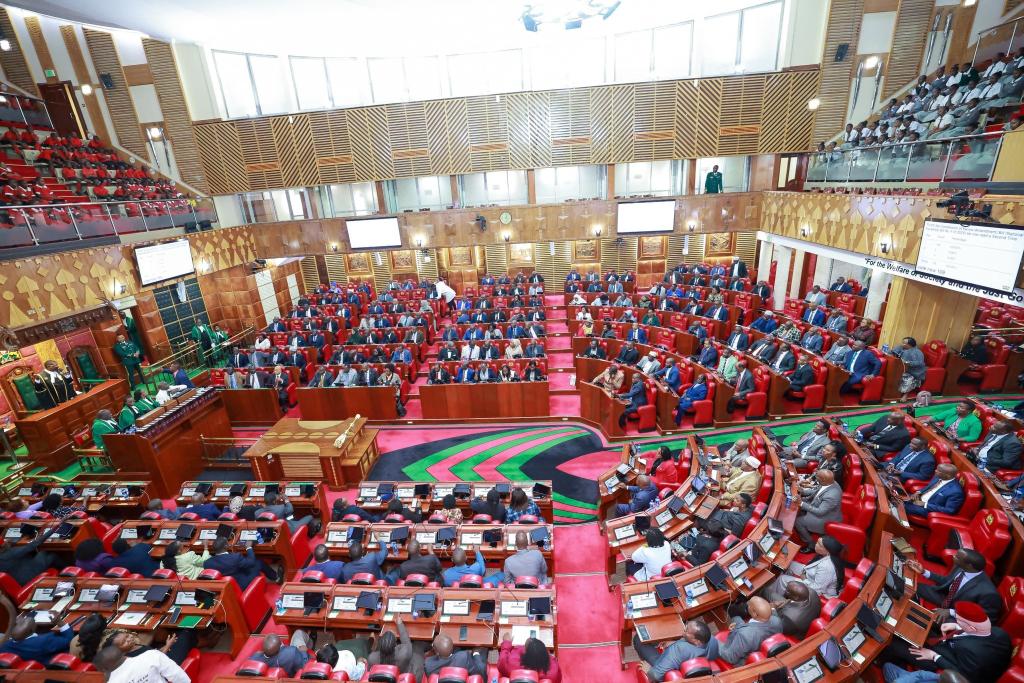
A proposal that could ease the heavy cost of treating haemophilia has cleared its first hurdle in Parliament after MPs backed plans to have the rare bleeding disorder covered under the Social Health Authority (SHA).
The National Assembly Health Committee has approved a petition seeking comprehensive health insurance for people living with haemophilia and directed the Ministry of Health, SHA and the Benefits Package and Tariffs Advisory Panel to develop treatment packages under the Primary Health Care Fund, the Social Health Insurance Fund and the Emergency, Chronic and Critical Illness Fund.
The committee wants the package to include clotting factor infusions, specialist consultations, hospital admissions, physiotherapy, laboratory tests, screening services and psychosocial support to ensure patients receive complete care.
The Ministry of Health has been given six months to update Parliament on the progress made in implementing the recommendations.
MPs also want haemophilia patients and their caregivers recognised as vulnerable people who qualify for government social protection programmes.
In addition, the committee recommended that haemophilia be listed as a disabling condition under the Persons with Disabilities Act, 2025, allowing those affected to benefit from the legal protection and support available to persons living with disabilities.
Haemophilia is an inherited condition caused by a shortage of clotting factors in the blood, making it difficult for bleeding to stop. The disorder can lead to repeated bleeding into joints and vital organs and, without proper treatment, may result in permanent disability and a shorter life expectancy.
Although Kenya is estimated to have about 5,500 people living with haemophilia, only 1,265, or about 23 per cent, have been diagnosed and enrolled for treatment. This means thousands of patients remain without access to specialised medical care.
The cost of treatment continues to lock out many families because haemophilia care is not currently covered under SHA. Severe cases require between Sh3.9 million and Sh30 million each year, while one clotting factor injection costs about Sh50,000.
Some patients have access to advanced treatment costing about Sh1 million every month, but only through limited trial programmes.
Kenya also depends on donor-funded clotting factor concentrates provided through a World Federation of Haemophilia programme worth about $20 million annually. The programme supplies only about 30 per cent of the country's treatment needs and is expected to end in early 2027, raising fears of a shortage if a long-term financing plan is not put in place.
The committee, chaired by Seme MP James Nyikal, further called for clotting factor concentrates to be classified as essential medicines. It also urged the government to open more haemophilia treatment centres, improve diagnostic services, strengthen training for healthcare workers and step up public awareness to encourage early diagnosis.
The petition was presented by the Kenya Haemophilia Association, which warned that failure to secure government funding could leave thousands of patients without access to lifesaving treatment once donor support comes to an end.