
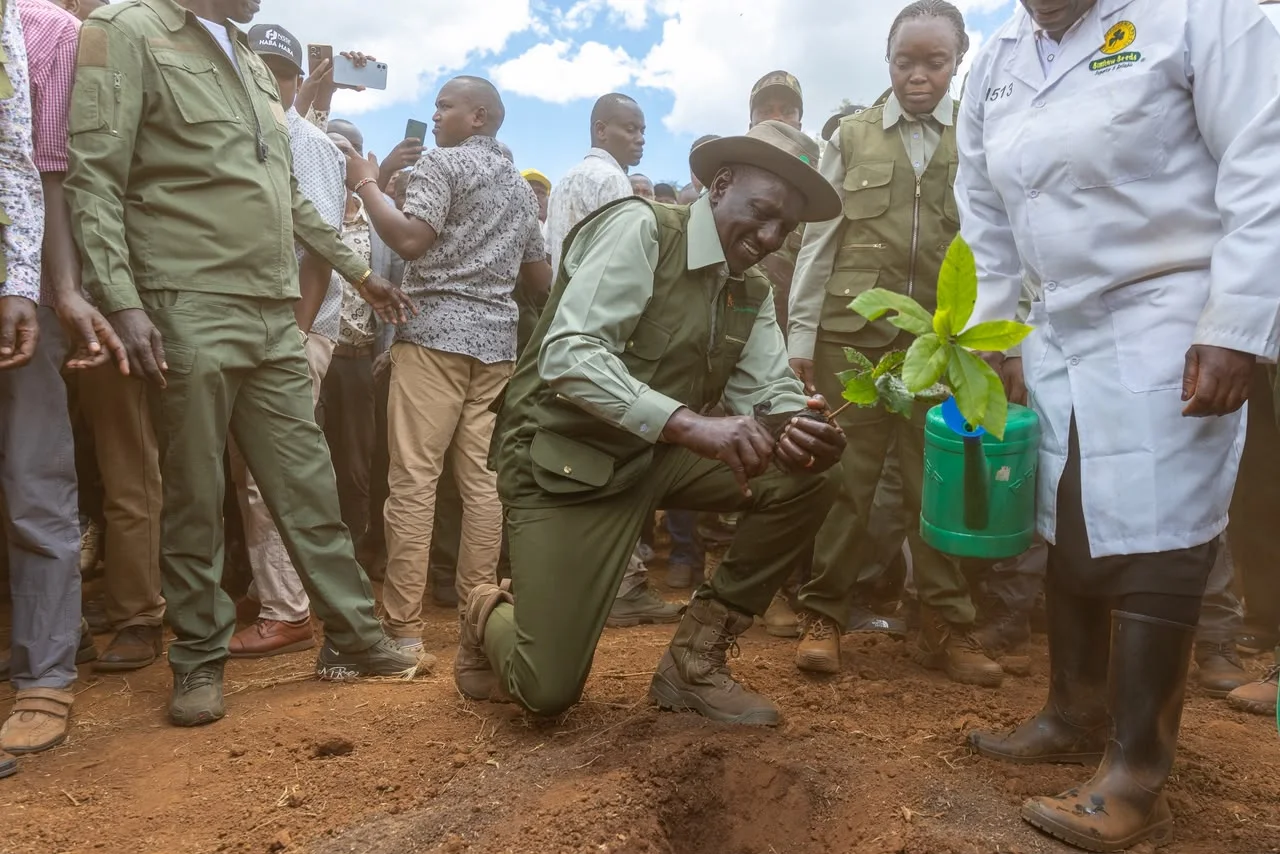
What began as a day linked to the presidency of Daniel arap Moi has become an occasion for Kenyans to reflect on their responsibility to the environment. On Saturday, October 10, 2026, the country marks Mazingira Day with tree-growing activities and conservation campaigns, continuing a series of changes that have reshaped the meaning of the public holiday over the years.
Trans Nzoia County is hosting this year’s national celebrations under the theme, “Our Environment, Our Responsibility: Collective Action for Tree Growing and Environmental Stewardship.” The government is targeting 17.24 million trees during Mazingira Week, which runs from October 5 to 10, in support of its wider goal of growing 15 billion trees by 2032.
The current focus on environmental protection is a major departure from the holiday’s original identity. October 10 has previously been known as Moi Day, Huduma Day and Utamaduni Day, with each name reflecting a different purpose.
A holiday once associated with Moi’s presidency
October 10 gained national recognition in 1988, when it was established to mark the tenth anniversary of Moi’s presidency. Moi had assumed office in 1978 and remained Kenya’s president until 2002.
During his leadership, the day became an important fixture on the national calendar. Celebrations often featured military parades, cultural performances and public gatherings attended by political leaders, government officials and ordinary Kenyans.
Moi himself was central to the events, with his trademark rungu and distinctive public addresses becoming familiar features of the annual ceremonies.
The celebrations also carried messages about national unity, public service and community participation. However, the close link between the holiday and the sitting president made it a distinctive part of Kenya’s political life at the time.
The introduction of the 2010 Constitution brought changes to the public holiday calendar, and Moi Day was removed from the list of official holidays.
Legal battle and a new identity
October 10 later returned to the public calendar following a court decision. In November 2017, the High Court ordered the restoration of Moi Day, ruling that its removal had been inconsistent with the applicable public holidays legislation.
The holiday’s identity changed again in December 2019, when the Cabinet approved the name Huduma Day. The change shifted attention towards public service, volunteer work and activities intended to benefit communities.
In 2020, the government renamed it Utamaduni Day, giving the occasion a cultural focus. The day was then used to celebrate Kenya’s diverse communities, languages, customs and traditions.
The successive changes marked a move away from a holiday centred on a former president towards themes intended to bring Kenyans together around shared national interests.
Why environmental conservation became the focus
In 2024, the government gave October 10 another purpose by renaming Utamaduni Day as Mazingira Day through amendments to the Public Holidays Act.
The Kiswahili word mazingira means environment. The new name placed conservation at the heart of the holiday and connected the celebrations to efforts to grow trees, restore degraded land and protect natural resources.
National celebrations under the Mazingira Day name began in October 2024, creating a platform for public participation in environmental activities.
The observance now calls on individuals, schools, businesses, community organisations and government institutions to take part in protecting the environment rather than leaving conservation efforts to public agencies alone.
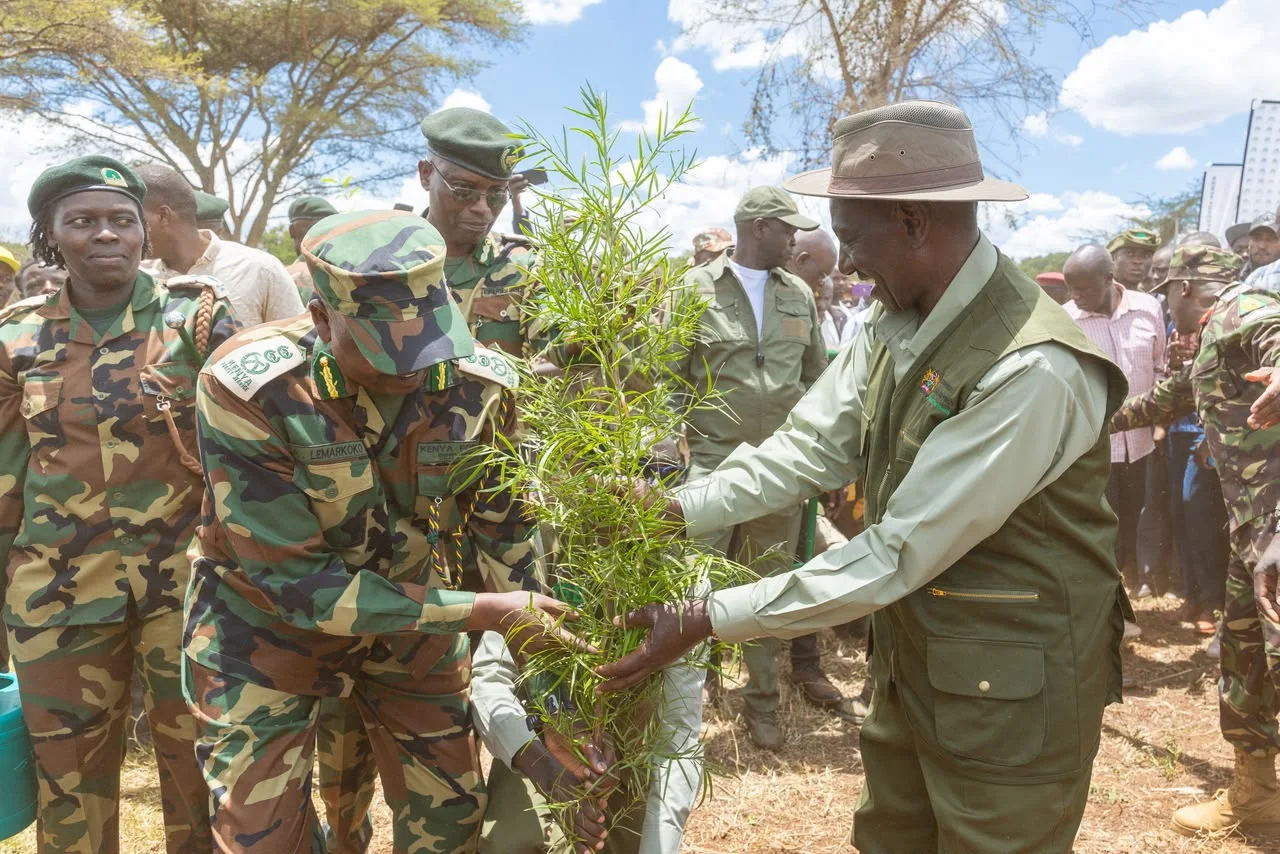
Millions of trees targeted during 2026 celebrations
This year’s programme centres on the theme, “Our Environment, Our Responsibility: Collective Action for Tree Growing and Environmental Stewardship.”
The government aims to grow 17.24 million trees during Mazingira Week, held between October 5 and 10. The target forms part of the national campaign to grow 15 billion trees by 2032.
Tree-growing activities are being carried out in communities, schools, correctional facilities and other public spaces. The programme also includes environmental clean-ups and work to restore damaged ecosystems.
Authorities have pointed to digital tools, including the JazaMiti platform, as a way of recording and tracking tree-growing activities.
However, the number of seedlings planted is only one measure of progress. Their long-term contribution to tree cover depends on choosing suitable locations, providing enough water, caring for young trees and protecting them from damage.
Monitoring survival rates is therefore important in determining whether the campaign produces lasting environmental benefits.
The work extends beyond one day
The annual celebrations come as Kenya continues to face challenges such as deforestation, pollution, wetland degradation, poor waste disposal and damage to water catchment areas.
Tree growing remains a key part of the country's conservation efforts, but protecting existing forests and natural habitats is also necessary to preserve ecosystems.
Mazingira Day offers an opportunity to bring communities together and encourage action. Lasting progress, however, depends on maintaining these efforts beyond the annual celebrations and ensuring that environmental protection becomes part of everyday life.
The history of October 10 reflects the changing priorities attached to the national holiday. From its beginnings as Moi Day in 1988, it has taken on the identities of Huduma Day and Utamaduni Day before becoming an occasion focused on conservation.
In 2026, the message is centred on protecting the environment, growing trees and restoring damaged landscapes, with the wider goal of safeguarding Kenya’s natural resources for future generations.