
Murang’a Governor Irungu Kang’ata has intensified his dispute with Health Cabinet Secretary Aden Duale, accusing the national government of attempting to force counties to abandon free digital hospital systems in favour of Taifa Care, which he claims will impose additional licensing costs on patients and health facilities.
Kang’ata argued that Murang’a had developed its own digital health platform, AfyaKE, at no cost to patients and hospitals, helping medical facilities improve service delivery and increase revenue before its shutdown disrupted operations.
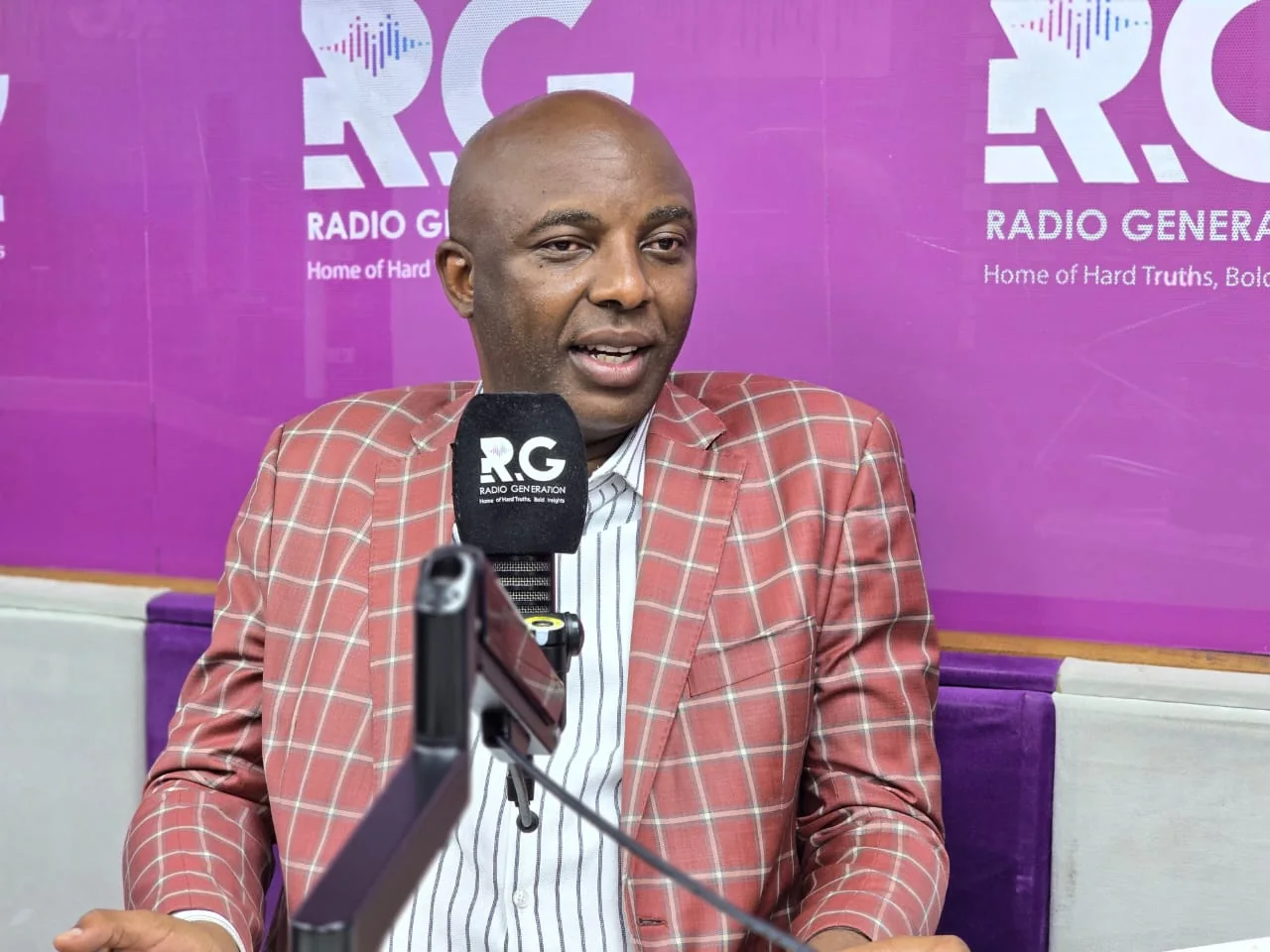
Speaking on Citizen's JKL show on Wednesday, November 4, 2026, the governor alleged that Duale was opposed to the county's system because it offered similar services to the national platform without charging users.
He maintained that the competition between the two systems was behind the decision to discontinue AfyaKE, dismissing the move as unfair to counties that had invested time and resources in developing their own digital solutions.
“Because it is free, we are giving out a free system that is in competition with a private system. For me, I have no doubt that is the real reason,” Kang’ata said.
Kang’ata defends free AfyaKE system
The governor said the shutdown had affected several health services in Murang’a, particularly telemedicine, while also reducing the revenue collected by hospitals that depended on the digital platform to manage their operations.
He said the county had experienced a decline in hospital income following the disruption, arguing that the system had played an important role in improving efficiency and helping facilities collect more revenue.
“The system is down. Our telemedicine services have been disrupted. Revenue has gone down,” he said.
To demonstrate the benefits of the platform, Kang’ata cited Murang’a Level 5 Hospital, where he said daily outpatient collections had increased tenfold after the introduction of digital systems.
According to the governor, the facility previously collected an average of Sh60,000 daily before automation, but the figure rose to Sh600,000 after the digital platform was introduced.
He argued that the county's system had helped hospitals improve revenue collection while making it easier to manage patient information and deliver medical services.
Kang’ata further challenged the government's position on Taifa Care, claiming that its licensing charges would eventually be paid by patients and hospitals rather than being funded directly through the national government.
He said retaining AfyaKE would protect health facilities and patients from additional expenses while allowing counties to continue using systems they had developed to meet their local needs.
“That private one called Taifa Care, it will not be paid by the national government exchequer; it will be paid by patients and hospitals as license fees. That means if you have your own system, you are saving government funds,” he said.
“Ours is free; what is wrong with having a free system? Taifa Care is not free; ours is free,” Kang’ata added.
The governor questioned why the national government would require counties to abandon free platforms when they could continue operating them without imposing additional costs on healthcare users.
His latest remarks add to his earlier criticism of the Ministry of Health over the shutdown, which he said happened while doctors were attending to patients, including those undergoing medical procedures.
Kang’ata had also claimed that the disruption forced Murang’a to suspend its telemedicine programme, which served nearly 30,000 elderly patients.
He said the county had employed close to 20 clinicians specifically for telemedicine services, alongside another 35 clinicians working in its telemedicine centres.
The governor also raised concerns about the accessibility of patients' medical records, claiming that information covering four years of treatment could no longer be retrieved after AfyaKE was switched off.
He maintained that the county had proposed connecting its platform to the national Taifa Care system instead of shutting it down, arguing that the two systems could have operated together.
Governor threatens contempt proceedings
Kang’ata has now taken the dispute to court, accusing the national government of interfering with the county's decision on the digital health platform it wants to use.
He said Murang’a had obtained court orders and served them on Duale, the Principal Secretary, the Social Health Authority (SHA) and the Digital Health Authority (DHA).
The governor warned that the county was prepared to pursue contempt proceedings against the officials if they failed to comply with the court orders.
“We went to court; we obtained a court order; we have served: Duale, PS, SHA, Digital Health Authority. God willing, we shall cite them for contempt, and this will be the second time Duale will be cited for contempt,” he said.
The dispute follows the shutdown of Murang’a's AfyaKE platform, which the county had been using to manage patient records and support other hospital operations.
Duale has, however, rejected Kang’ata's claims that the Ministry of Health ordered the system to be switched off, maintaining that the ministry neither owned nor managed AfyaKE.
The Health CS has also described the platform as a private arrangement between the Murang’a County Government and its developers.
In an earlier interview on Citizen TV's Sunday Live on October 15, 2026, Duale said three counties had been using a digital health system that did not belong to the Ministry of Health.
“There were three counties that were using a system that did not belong to the Ministry of Health. And I'll say today that system belonged to the National Intelligence Service under President Uhuru's government, Makueni, Tharaka Nithi, and Murang’a," Duale said.
He added that the government had engaged the governors involved and that the other two counties had already moved to the National Digital Health Integration System under the Digital Health Agency.
"And we sat with those other governors, and they all transitioned to the National Digital Health Integration System under the DHA."
Duale has also defended the digital health service fee, saying the charges are payable to the Digital Health Agency, a public body, rather than a private company.
The disagreement has exposed differences between the national government and Murang’a over whether counties should retain independently developed digital health platforms or move entirely to the national system