
Kenya recorded a sharp rise in cholera deaths in 2025, with the number of people reported to have died from the disease increasing more than fivefold from the previous year, according to new figures from the World Health Organization (WHO).
The country reported 725 cholera cases and 27 deaths to WHO last year, compared with 613 cases and five deaths in 2024. While reported infections rose by about 18 per cent, deaths increased more than five times over the same period.
The figures place Kenya 11th among African countries with the highest reported number of cholera deaths in 2025 and 12th globally.
“The rise in cholera deaths is a reminder of the challenge ahead,” said Dr Chikwe Ihekweazu, executive director of WHO’s Health Emergencies Programme.
“No one should be dying from cholera today when we have the tools to prevent and treat this disease. The concentration of cases and deaths in a small number of countries shows where targeted investments in safe water, sanitation and hygiene could have the greatest impact,” he said.
Ihekweazu said combining investment in clean water, sanitation and hygiene with better disease surveillance, community involvement, vaccination and access to quality treatment could help reverse the worsening trend.
In Kenya, 21 of the 27 deaths reported in 2025 occurred in health facilities, while six people died in their communities.
The community deaths point to a possible delay in seeking or reaching medical care, as people with severe cholera can deteriorate quickly once dehydration sets in.
Kenya’s reported facility-based case fatality rate stood at 2.9 per cent in 2025. WHO considers a facility-based case fatality rate of below one per cent to be the expected level when patients receive prompt and appropriate treatment.
The increase in Kenya came against a wider deterioration in the global cholera situation, with deaths reaching their highest annual level reported to WHO since 1999.
A total of 47 countries reported 451,499 cholera cases and 7,870 deaths to WHO in 2025. Although the number of reported cases fell by 19.5 per cent from 560,823 in 2024, deaths rose by 30.6 per cent from 6,028.
The WHO African Region carried the largest share of the reported global burden, recording 245,501 cases and 5,338 deaths. Its reported cases increased by 34 per cent from the previous year, while deaths rose by 58 per cent.
WHO cautioned that the reported figures should not be taken as the actual number of cholera infections or deaths worldwide or in individual countries.
The data is based on surveillance reports submitted by countries, whose ability to identify cases, test patients and record deaths varies. The agency also noted that deaths occurring outside health facilities may be missed or not recorded.
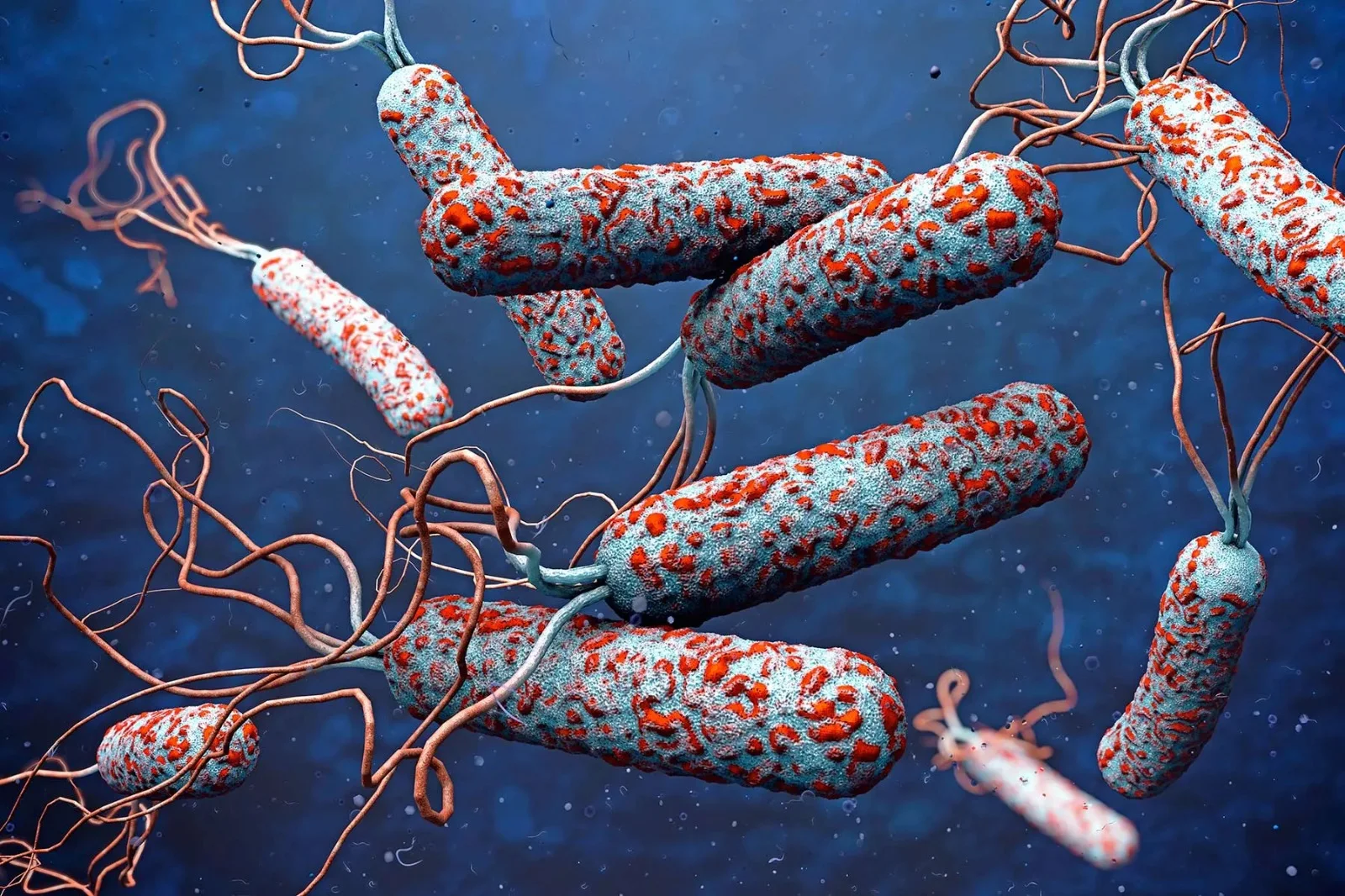
Cholera is an acute diarrhoeal illness caused by the bacterium Vibrio cholerae. It is mainly spread when people consume food or water contaminated with faeces from an infected person, making the disease a major threat in areas without reliable access to clean water, toilets and proper waste disposal.
The illness can become dangerous within a short time because it causes the body to lose large amounts of water and salts. Severe cases can result in heavy watery diarrhoea and vomiting, leading rapidly to dehydration.
Without prompt treatment, severe dehydration can cause shock and death.