The National Assembly Health Committee has called on the Kenya Medical Training College (KMTC) to review its training programmes to ensure graduates acquire skills that match available employment opportunities.
The legislators on Monday said the institution must consider changing labour market needs when developing its curriculum to improve graduates' prospects of securing jobs after completing their studies.
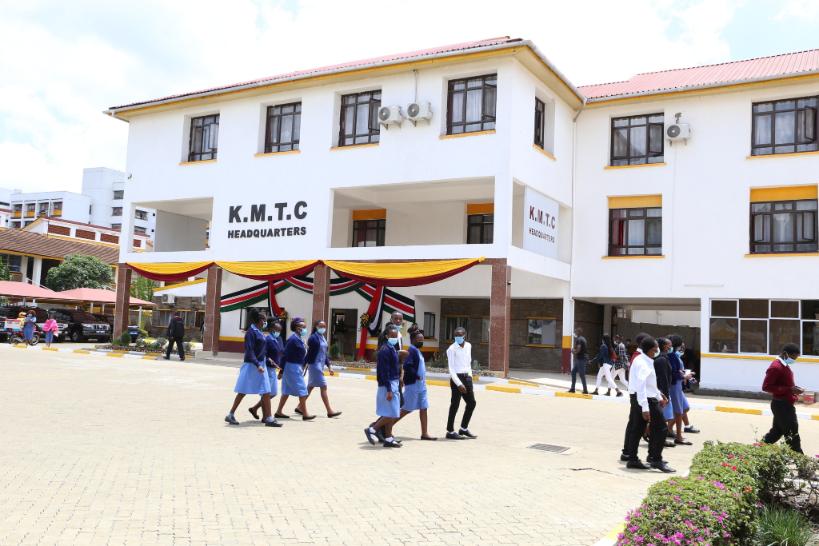
The concerns were raised during a budget implementation oversight visit to KMTC headquarters in Nairobi, where the committee, led by Chairperson James Nyikal (Seme), held discussions with Chief Executive Officer Kelly Oluoch and other senior officials.
Nyikal said KMTC, as a government institution, should prioritise the country's healthcare workforce requirements when deciding which courses to offer.
“KMTC should not be driven by the same needs as private institutions, which may offer courses that do not align with market demands,” said Nyikal.
He warned against a situation where students complete their training only to struggle to find employment despite obtaining certificates and diplomas.
Committee members Robert Pukose (Endebess), Martins Owino (Ndhiwa) and Joshua Oron (Kisumu Central) supported the call for training programmes that reflect employment opportunities.
They argued that resources invested in training students could be wasted if graduates were unable to secure jobs relevant to their qualifications.
“The courses offered by KMTC should be viable in the job market. We do not want a situation where graduates from the institution fail to secure employment opportunities that match their qualifications and skills,” said Pukose.
In response, Oluoch said the college would review and reorganise its courses to keep its curriculum relevant to evolving labour market requirements.
He added that KMTC had introduced a compulsory entrepreneurship course for all students to equip them with additional skills and broaden their employment and self-employment opportunities.
Earlier, the committee visited Nairobi Enterprises Ltd, a pharmaceutical products and healthcare equipment supplier, as part of its oversight activities.
The company is working with the Kenya Institute of Primate Research (KIPRE) to develop antivenom locally, an initiative aimed at supporting domestic production of snakebite treatment.
Officials from both institutions briefed the legislators on the progress made towards developing locally manufactured antivenom.
The delegation included Duncan Maina Mathenge (Nyeri Town), Mary Maingi (Mwea), Julius Sunkuli (Kilgoris), Jaldesa Guyo (Moyale), Pauline Lenguris (Samburu County) and Antoney Kibagendi (Kitutu Chache South).