Hope at Sea: MPs probe how Kenyans land cruise jobs
Officials from Kenya Ports Authority said MSC’s presence reflects Kenya’s rising role in global maritime labour supply, with Dr Sudi Mwasinago noting growing opportunities for Kenyan workers in international shipping and hospitality.
For many young Kenyans dreaming of jobs at sea, cruise ship work has become one of the few clear pathways to steady income and international exposure, a reality that now sits at the centre of parliamentary scrutiny in Mombasa as lawmakers review how these opportunities are being accessed and managed.
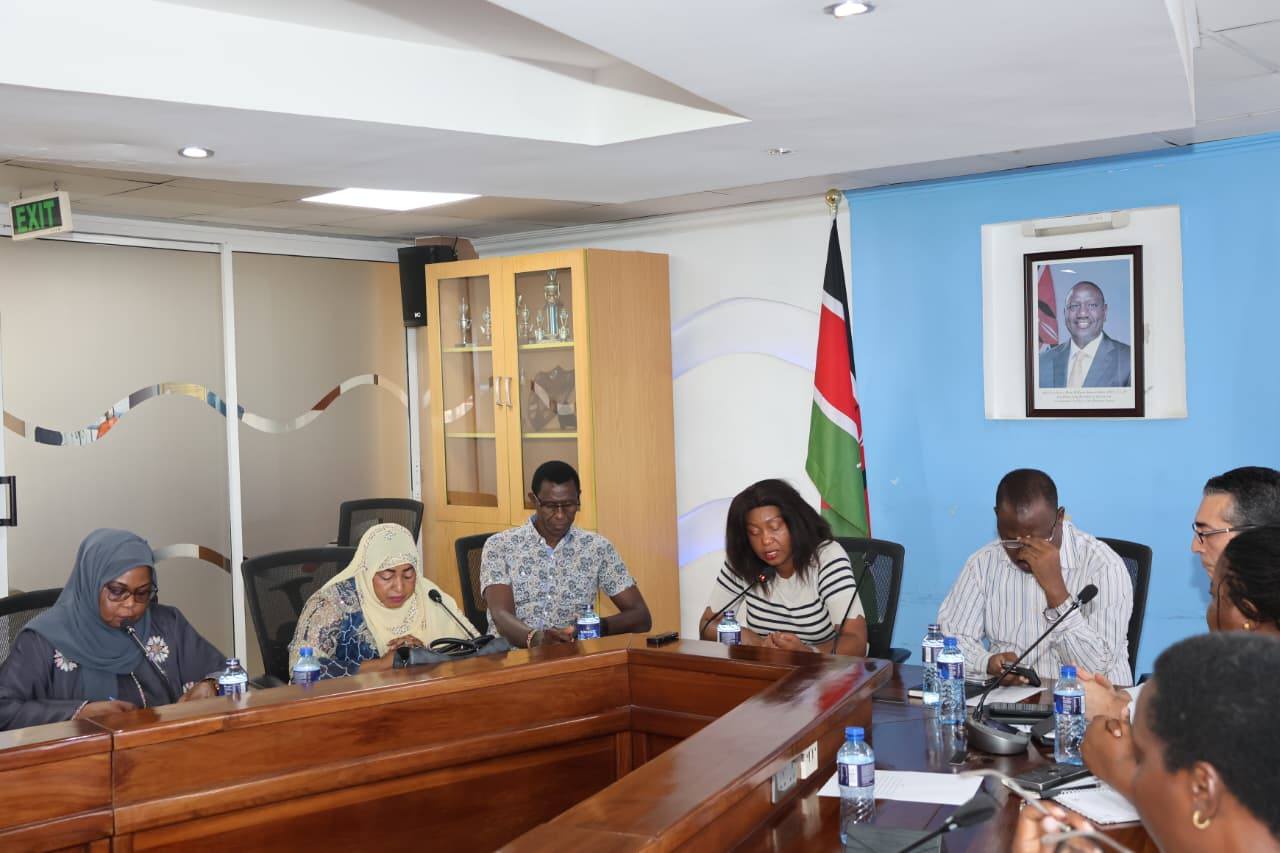
The National Assembly Committee on Diaspora Affairs and Migrant Workers met the management of Mediterranean Shipping Company at the Kenya Ports Authority offices to assess how Kenyans are absorbed into global cruise employment and the systems guiding their recruitment.
The company, founded in Naples in 1989 and headquartered in Geneva, operates 26 vessels worldwide and employs over 26,000 staff. In Kenya, its recruitment office established in 2018 oversees regional hiring and currently has about 3,000 crew members on contract, with 99 percent being Kenyans. Since entering the market, MSC has signed more than 7,200 employment contracts with Kenyan workers.
Officials from Kenya Ports Authority said MSC’s presence reflects Kenya’s rising role in global maritime labour supply, with Dr Sudi Mwasinago noting growing opportunities for Kenyan workers in international shipping and hospitality.
MSC Crewing Manager Emma Nkirote outlined that recruitment is divided into Deck, Hotel, and Engine departments, each requiring specific training and experience ranging from nautical qualifications to marine engineering and hospitality work experience.
She added that cruise ship employment offers exposure to global standards, skills development, stronger tourism capacity, competitive earnings, and increased foreign exchange inflows.
However, the Committee was also briefed on challenges affecting recruitment, including delays in Seafarers Identification Documents (SID), late US C1/D visa processing, high medical examination costs, submission of fake qualifications, and cases of Kenyan crew abandoning contracts while abroad.
Committee Chairperson Lydia Haika ( Taita Taveta Women Represenative) commended MSC for providing job opportunities to Kenyans and said efforts were ongoing to resolve documentation bottlenecks affecting recruitment.
“We have had extensive engagements on the issue of SID, including with the relevant Cabinet Secretaries. It is a matter we are keen to resolve,” she said.
Likoni MP Mishi Mboko questioned whether recruitment is being expanded beyond social media platforms and raised concern over crew desertion cases, seeking clearer data and policy solutions.
“What policy interventions can we, as a Committee, support to address this challenge?” she posed.
Mombasa MP Zamzam Mohamed raised concerns over whether local Standards of Training, Certification and Watchkeeping programmes fully meet industry requirements, calling for stronger partnerships between government, training institutions, and cruise operators, including internship pathways.
Njoro MP Charity Kathambi urged continued collaboration between MSC and the Committee to close policy gaps affecting recruitment and workforce development.
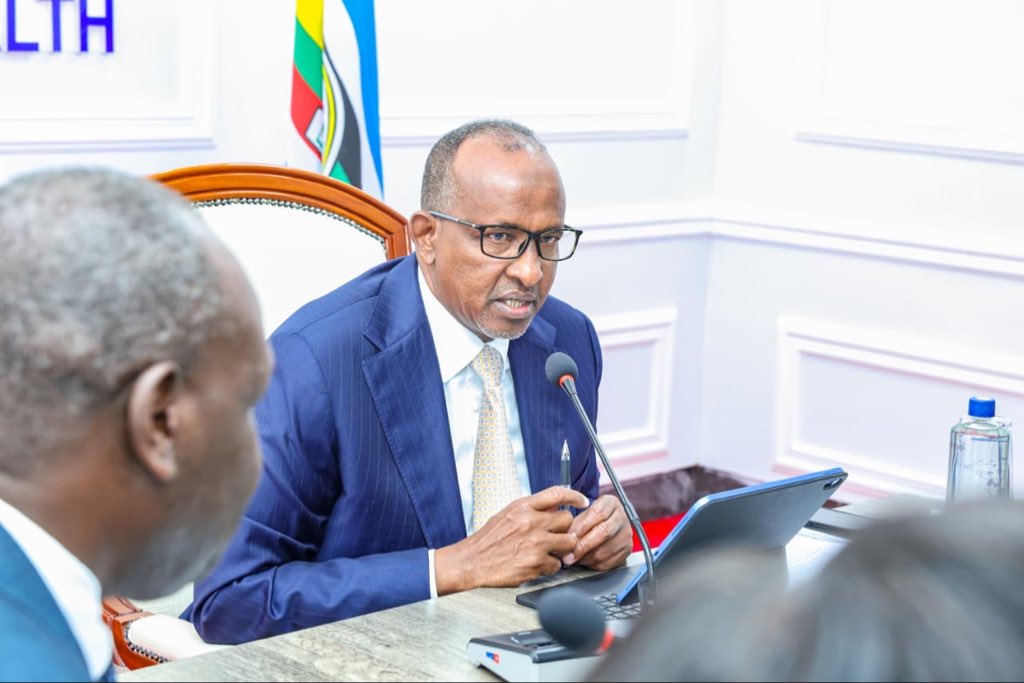
MSC Kenya Managing Director Capt. Fiorenzo Castellano said the company has deployed a 10-member recruitment team in Kenya dedicated solely to hiring. He added that MSC has conducted outreach in Malindi, Diani, Voi, and Nairobi, while working with government agencies to strengthen cooperation.
He noted that social media remains the main recruitment channel due to its wide reach among young job seekers, and said MSC continues to work with Kenya Maritime Authority to address regulatory and compliance challenges in the sector.



Comments
Sign in with Google to comment, reply, and like comments.
Continue with Google