UNDP report warns debt servicing cuts social spending, hitting women hardest
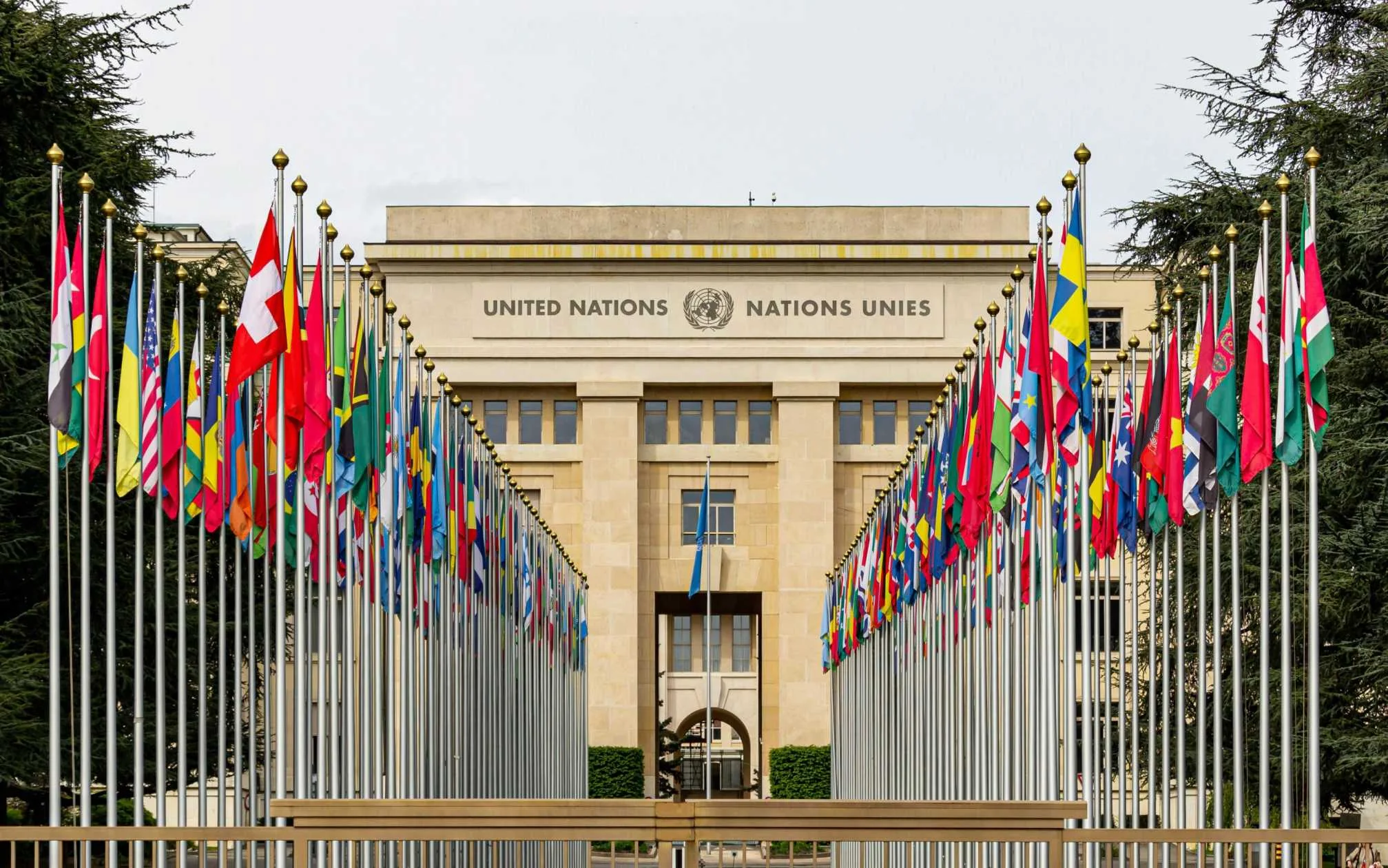
A new report warns of millions of job losses, declining incomes, and worsening health outcomes, as governments cut social spending to meet debt obligations.
UN Development says rising debt servicing is reversing global development gains, with women bearing the heaviest burden.
A new report warns of millions of job losses, declining incomes, and worsening health outcomes, as governments cut social spending to meet debt obligations.
The findings highlight growing gender inequality and call for urgent reforms in debt management policies worldwide.
The report released on Monday by the United Nations Development Programme (UNDP) estimates that debt servicing pressures could lead to the loss of 55 million jobs for women in the short term, rising to 92.5 million in the long term as countries move from moderate to high debt repayment levels.
The report, titled “Who Pays the Price? Gender Inequality and Sovereign Debt,” draws on data from 85 developing countries and highlights widening income gaps between men and women.
It finds that women’s per capita income could fall by 17 percent under increased debt burdens, while men’s income remains largely unchanged, further deepening gender inequality.
According to the UNDP, the impact extends beyond employment and income. Reduced public spending linked to debt repayments is also straining health systems, contributing to a projected 32.5 percent increase in maternal mortality, equivalent to 67 additional deaths per 100,000 births.
Life expectancy for both women and men is also expected to decline, reflecting broader pressure on essential services.
“Sovereign debt is not a math problem. It is a human one,” said Alexander De Croo, United Nations Development Programme (UNDP) Administrator.
“This analysis sheds new light on how crushing debt payments leave many governments across the world with limited fiscal space and lead to cuts to vital social services, with the heaviest toll falling on women.”
The report explains that as governments allocate more resources to debt servicing, spending on healthcare, welfare and care systems is often reduced.
This, in turn, shifts the burden of unpaid care work back onto households, where women typically take on the majority of responsibilities.
“When care services are cut, for example, responsibility shifts back onto households with women carrying most of it, often limiting their access to economic opportunities,” De Croo said.
Researchers describe this trend as “development gains in reverse,” warning that current global conditions could accelerate the decline.
Ongoing geopolitical tensions, volatility in energy markets and inflationary pressures are further compressing fiscal space, leaving governments with fewer resources to invest in social programmes.
The report stresses that debt management decisions have far-reaching social consequences and should incorporate gender considerations at every stage.
“Debt management strategies matter for all people, but when public spending is squeezed by debt repayment, it is women who lose first, their jobs, their services, their economic security,” said Raquel Lagunas, Global Director (Head) of Gender Equality at UN Development Programme
She added that governments must “integrate gender-based impact assessments into decision-making, protect critical investments in social and care infrastructure, and use gender-responsive budgeting to track how debt servicing affects different economic outcomes for different people.”
The UNDP is calling for a shift away from austerity-driven policies, which it says often exacerbate inequality, towards strategies that prioritise employment, human development and gender equality.
It also urges governments and global financial institutions to ensure that debt sustainability frameworks do not come at the expense of social investment.
The report was produced under the UNDP’s Equanomics programme, which supports countries in designing fiscal and tax reforms aimed at advancing gender equality and strengthening care systems.
UN Development says without urgent reforms, rising debt pressures risk undermining decades of progress in reducing poverty and inequality, particularly for women.
It warns that safeguarding social spending and adopting inclusive economic policies will be critical to preventing further setbacks and building more resilient economies.




Comments
Sign in with Google to comment, reply, and like comments.
Continue with Google