
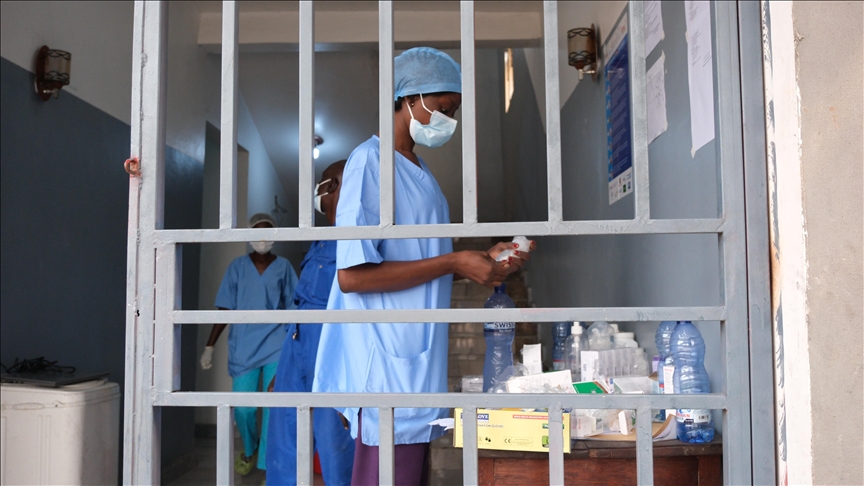
Access to basic medical services is set to improve in more communities after counties increased the number of primary care networks to 277, marking a 22 percent rise in the 2025/26 financial year.
The number of networks, which connect health facilities with community-level services within specific areas, grew from 227 recorded in the previous year. The expansion is aimed at ensuring patients can get treatment closer to their homes while improving how facilities work together in providing care.
Primary care networks are designed to coordinate services, referrals and access to essential treatment within communities. They also seek to make lower-level health facilities the first stop for people seeking help with common and routine health needs.
This approach is expected to reduce the number of patients seeking treatment at higher-level hospitals for conditions that can be managed at primary healthcare facilities.
Social Health Authority chief executive Dr Mercy Mwangangi said most health needs in the country are dealt with at this level, making it important to direct more resources towards primary care.
"About 70 percent of health needs in the country are met at the primary healthcare level.
Many of the conditions we commonly suffer from, such as flu, colds, and diarrhoea are handled at the primary healthcare level," Dr Mwangangi said yesterday during a Media Town Hall ahead of the Kenya Health Summit next week.
She said investment in primary healthcare can also deliver better value by preventing health problems from placing greater demands on more advanced facilities.
"For every shilling invested in primary healthcare, you can recoup nine shillings. That is the return on investment of primary healthcare," she added.
The expansion has taken place alongside increased government funding for primary healthcare. Data from SHA shows that Sh27 billion has been invested in primary healthcare over the past 18 months, compared with Sh1.8 billion under the previous government.
Counties are also using different approaches to improve how the networks operate and extend services to communities.
The Council of Governors' Maarifa Centre has recorded 23 innovations and best practices involving primary care networks in 15 counties. These include efforts to link different health services, strengthen community health systems, improve the referral process, use digital health tools and build the capacity of health workers.
The growth of the networks comes as the government continues efforts to make healthcare more accessible by reducing financial challenges that can prevent people from seeking treatment at lower levels.
With more facilities connected through the networks, patients are expected to receive routine services within their communities while those requiring more specialised attention can be referred to other facilities.
The addition of 50 networks during the financial year brings the total number established across the country's 47 counties to 277, giving counties a wider structure through which primary healthcare services can be delivered.