
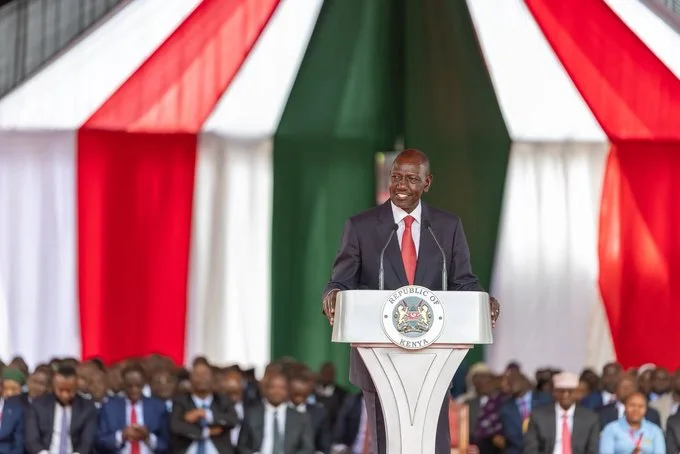
The uncertainty surrounding the expected El Niño rains has given President William Ruto fresh reason to push for a major shift in Kenya's agricultural system, with the government planning thousands of dams to reduce farmers' dependence on rainfall.
Ruto said the changing predictions on when the rains would arrive had demonstrated the difficulty of running agriculture on weather forecasts. He noted that farmers had prepared their land based on earlier projections that the rains would begin in August before the expected onset was moved to September.
Speaking at the Agriculture and Food Security Summit on Thursday, October 8, the President questioned why the country was still waiting for the rains as October progressed.
“We are waiting for El Niño, because we don't know when it will rain. They told us it would come in August, then said it would come in September; now we are on October 8, yet we are still waiting,” Ruto said.
He said the situation showed why Kenya needed to reduce its reliance on rain-fed farming and instead develop an agricultural system where farmers have access to dependable water throughout the production cycle.
Government bets on dams
Ruto said irrigation would provide a more dependable foundation for agriculture by allowing farmers to plan their production without being entirely dependent on the timing and amount of rainfall.
He outlined plans to construct 50 mega dams alongside 200 mid-range dams and 1,000 small dams as part of efforts to increase the country's irrigation capacity.
“We are building 50 mega dams, 200 mid-range dams and 1,000 small dams so that we transition agriculture from one that relies on rainfall to a predictable one that relies on irrigation because the current one is all about guesswork.
“We must move to agricultural practice where we can control the output of our cultivation. There is no other way other than irrigation,” he stated.
The President said Kenya's agricultural sector had benefited from rainfall over the years but argued that depending on rain alone had not enabled the country to produce enough food to meet its needs.
He linked the country's food deficit to inadequate agricultural production and said a more reliable supply of water would help farmers increase output.
Ruto said the planned infrastructure would also open up more land for food production once the dams are completed.
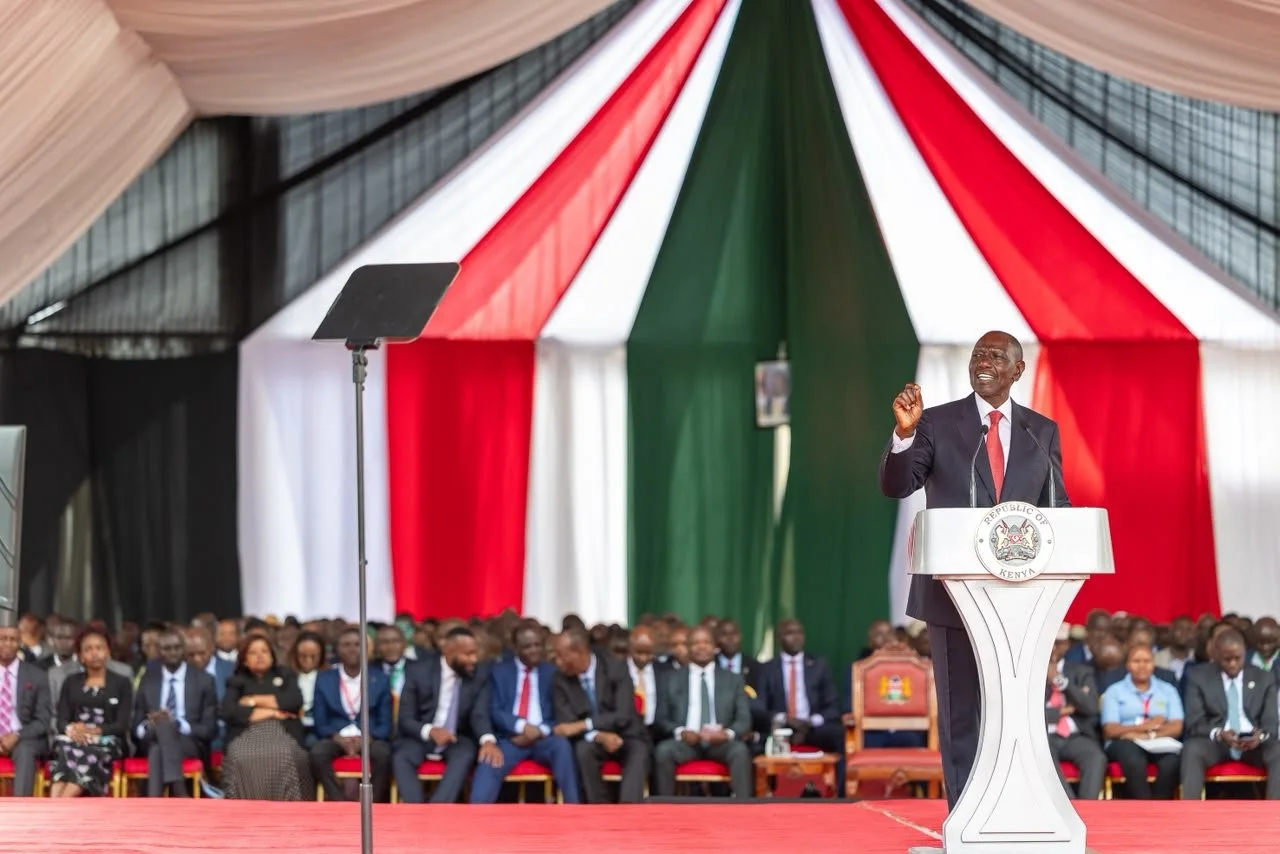
The President said the completion of the 50 mega dams would give Kenya the capacity to have 2.5 million acres under food crop cultivation.
He revealed that the National Infrastructure Fund will finance the construction of the dams.
Ruto said the fund currently has Sh320 billion, with Sh200 billion of that amount coming from the sale of Safaricom shares.
The dam programme is expected to support the government's wider effort to expand irrigation and make agricultural production less vulnerable to changes in rainfall patterns.
Agencies prepare for heavy rains
While Ruto questioned the changing forecasts for the El Niño rains, government agencies have continued preparations for possible heavy rainfall and its effects.
The Ministry of Interior, Ministry of Health and county governments have been coordinating measures aimed at responding to emergencies that could arise during the rainy period.
The Ministry of Health has warned Kenyans about the possibility of water-borne diseases resulting from the consumption of contaminated water.
The Interior Ministry has meanwhile mapped areas considered vulnerable to flooding and landslides across the country.
It has also established rescue and rapid response centres to support emergency operations in areas affected by heavy rainfall.
The preparations come as Kenyans continue to await the expected rains, with the uncertainty surrounding their arrival reinforcing the government's push to develop an agricultural system that is less dependent on unpredictable weather.