
The High Court ruling on the timing of Kenya’s next presidential election has opened a new political battle, with the Safina Party now pressing the electoral commission to prepare for the poll within a maximum of 120 days.
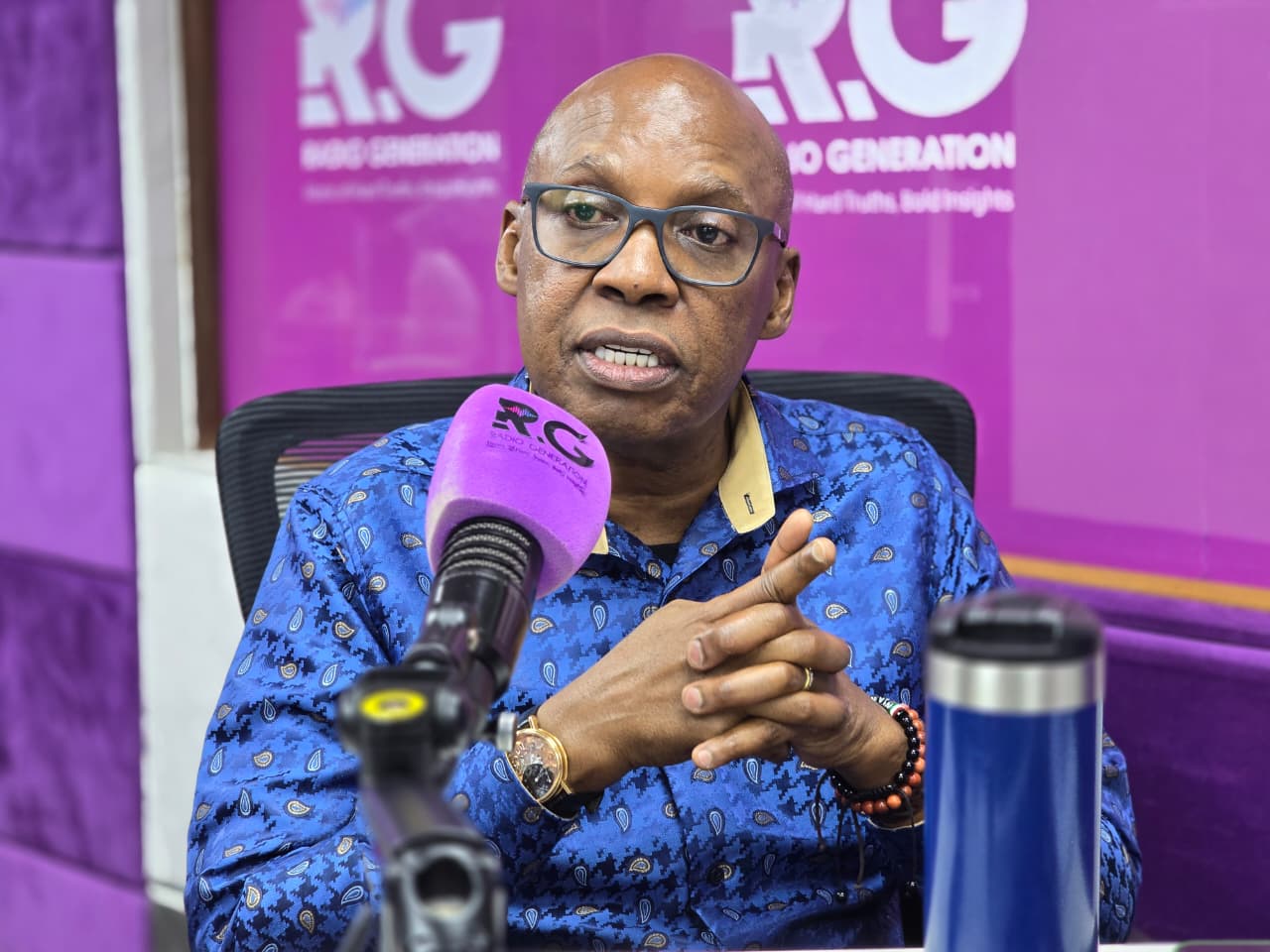
Safina Deputy Party Leader Willis Otieno said the Independent Electoral and Boundaries Commission (IEBC) should not take longer than necessary to organise the election, pointing to the commission’s record in conducting parliamentary by-elections within a shorter period.
Otieno said the electoral body has a constitutional responsibility to ensure that Kenyans are able to elect their leaders without unnecessary delays.
"When a parliamentary seat has been declared vacant, IEBC has been able to conduct elections within 60 days. We want to hear why IEBC cannot conduct an election within 60 days," he said.
According to Otieno, the 60-day period should be the starting point for IEBC as it plans the next General Election. He, however, said the commission could be allowed additional time if it has genuine administrative or logistical difficulties.
"If there are any arrangements beyond the 60 days because of logistical and administrative problems, they should make a case to Kenyans that they need extra days, an extra 60 days. They should conduct that election within 120 days. That is what Kenyans can take as permissible. Anything beyond that, in my view, is the suppression of the will of the people," Otieno stated.
He also challenged the continued stay of President William Ruto in office after what he described as the expiry of his constitutional mandate.
Otieno said the President's term came to an end at midnight on August 10, 2026, and that any period after that should only be used to allow the country to move towards the election and eventual transition.
"The legitimacy and term of office of William Ruto lapses on 10 August 2026 midnight. Beyond that we are moving to a temporary president," he said.
The Safina official also took issue with IEBC’s earlier position on the length of the term served by elected leaders.
He said the commission had based its position on the belief that the President automatically serves for five years, yet the High Court had rejected that interpretation.
"IEBC had erroneously moved on the premise that the President serves for a five-year term. And the court told them, just like we told them before, there is no five-year term anywhere in the law provided for the President, MPs, governors and MCAs. They only serve until the next date of elections," he said.
Safina Party leader Jimmy Wanjigi backed the court decision, saying the judgment had protected the Constitution and marked an important moment for the country.
"We as Safina want to say thank you to the High Court as it has upheld the Constitution. Today we have a constitutional victory," he said.
Wanjigi also criticised the idea that the court had extended President Ruto’s mandate, saying the President would only remain in office temporarily because of the practical challenges involved in organising the election.
"William Ruto, your time is up. On Tuesday you will become nothing more than a president who has been given a mandate by a court because of logistical issues. Your term has not been extended. You are a temporary president and there are various things you cannot do."
The Safina leaders were responding to a judgment delivered by Justice Mugure Thande on the constitutional timetable for the presidential election.
Justice Thande ruled that the fifth year after the August 9, 2022 General Election began on August 9, 2026.
The judge further found that Article 136(2)(a) of the Constitution requires the presidential election to take place on the second Tuesday of August during that fifth year.
The case was brought before the court through a petition filed by Dr Owiso Owiso, Ashioya Biko and Khelef Khalifa, who challenged the interpretation of constitutional provisions relating to the date of the presidential election.
Safina now wants IEBC to use the court ruling as a basis for its preparations and ensure the country does not face an extended wait for the next General Election.
Otieno maintained that the commission should first seek to organise the poll within 60 days and, where that proves difficult, use a further 60 days to complete the preparations and conduct the election.