
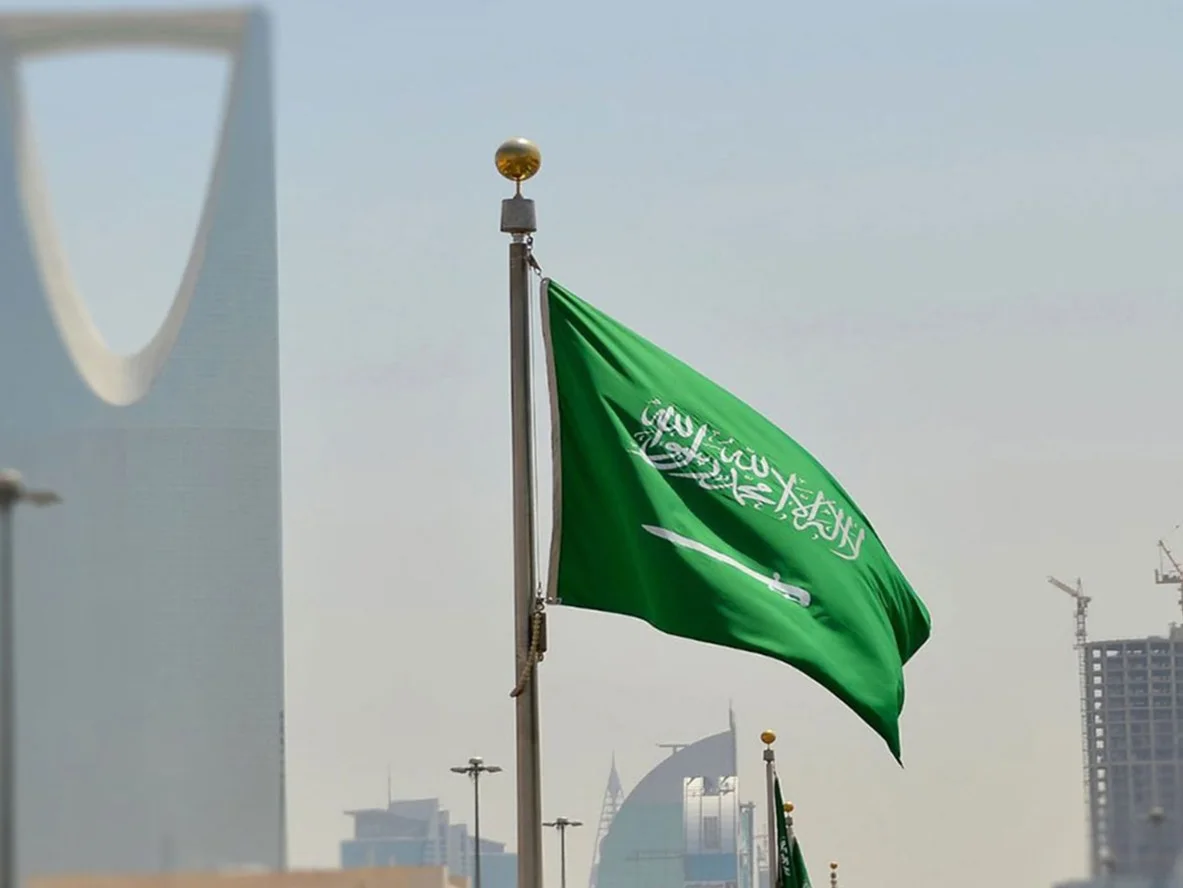
Saudi Arabia on Friday suspended travel to and entry from Kenya as part of additional precautionary measures aimed at preventing the spread of the Ebola virus.
According to the Saudi Press Agency, the restrictions also include halting the issuance of all categories of visas to Kenyan travellers and barring entry to people who have been in Kenya or other Ebola-affected countries within the 21 days before arrival, even if they travel through third countries.
The development comes as Kenya’s Public Health Principal Secretary, Mary Muthoni, said on Friday that Kenya had gone 10 days without recording a new infection.
She said the government was progressively releasing people who had been in contact with Ebola patients after they completed the required monitoring period without developing symptoms.
“Kenya has so far recorded nine cases and two deaths, with identified contacts still under isolation, quarantine and surveillance,” Muthoni said.
The Saudi Arabia measures follow an assessment of the regional and international epidemiological situation by Saudi health authorities.
The kingdom says the restrictions build on preventive measures introduced in 2019 and strengthened in May this year.
In June, Saudi Arabia also suspended travel to and entry from the Democratic Republic of Congo, Uganda and South Sudan.
Saudi authorities have also stepped up health screening at entry points, epidemiological investigations and early response measures for travellers from countries neighbouring Ebola-affected areas.
The Saudi Public Health Authority, Weqaya, says the country’s public health situation remains reassuring and is under continuous monitoring.
Ebola is a severe viral disease transmitted through direct contact with the blood or other bodily fluids of an infected person.
Symptoms include fever, vomiting, and diarrhoea, while severe cases can involve internal or external bleeding.