
Kenya’s automated traffic enforcement programme is facing fresh scrutiny after senators questioned the National Transport and Safety Authority (NTSA) over the rollout of instant fines, the legal framework governing the penalties and the safeguards available to motorists accused of breaking traffic rules.
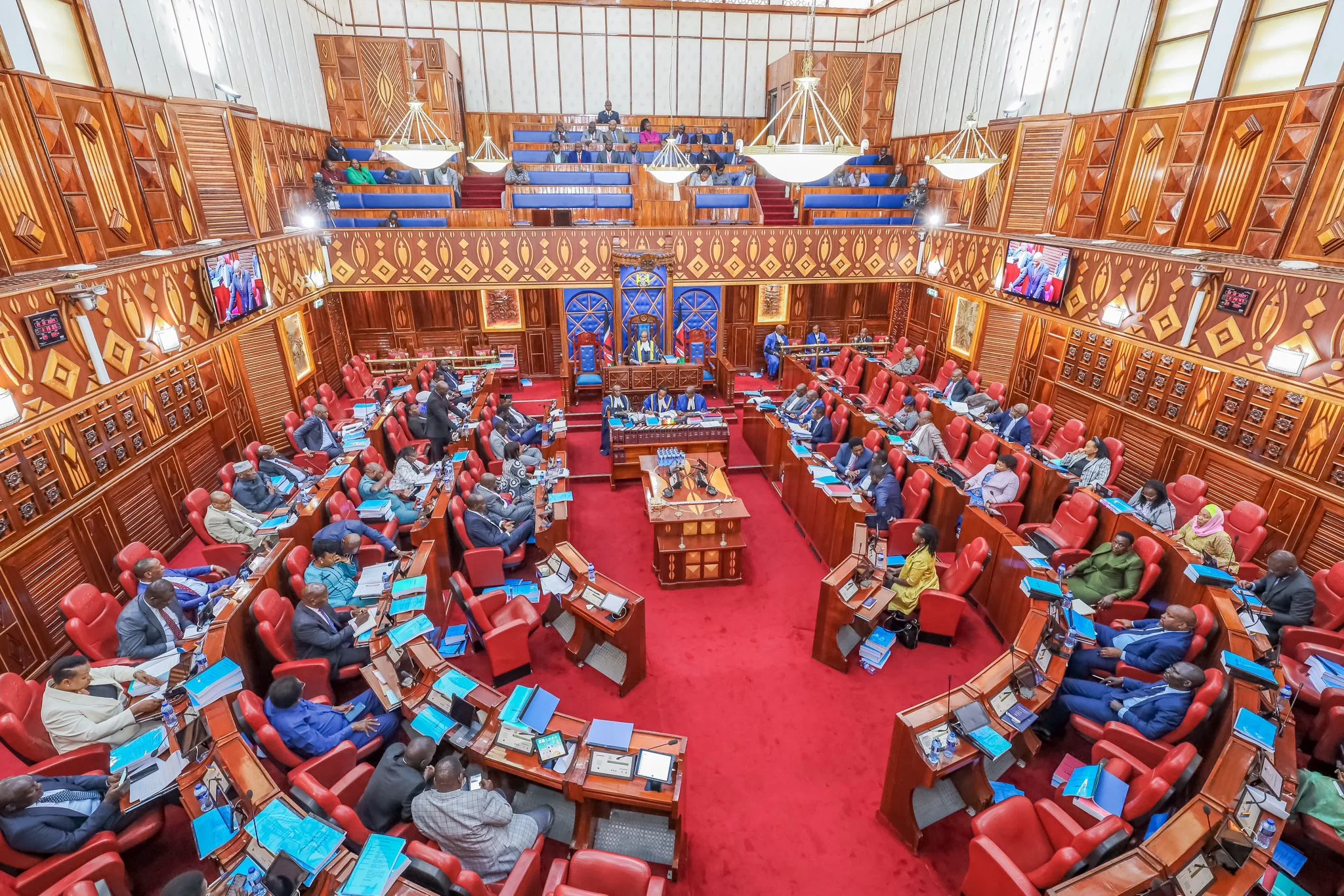
The Senate Standing Committee on Information and Communication Technology (ICT) met NTSA Director General Eng. Nashon Odhiambo Kondiwa at Parliament Buildings on Thursday, October 8, 2026, to examine the progress of the Instant Fines Traffic Management System and the procedures used to administer digital traffic penalties.
The discussions centred on how the system identifies traffic offences, sends notifications to motorists and facilitates payment of fines, as well as whether the process meets the relevant legal and regulatory requirements.
The latest engagement comes after the system encountered legal challenges shortly after its introduction in March 2026, forcing NTSA to withdraw its launch notice and later clarify the status of the rules governing minor traffic offences.
Senators Seek Clarity on Traffic Fines
The committee's engagement with Kondiwa focused on the operation of the automated enforcement system and the processes followed from the moment a traffic violation is detected to the resolution of the resulting penalty.
Lawmakers examined the technology used to identify offences, the channels through which motorists receive notifications and the arrangements for paying fines.
The system is intended to make traffic enforcement less dependent on manual checks by using digital technology to identify violations and support the enforcement of road safety rules.
NTSA has previously indicated that the wider initiative is aimed at improving road safety, encouraging motorists to obey traffic regulations and easing pressure on courts dealing with minor traffic cases.
The authority also provides information on minor traffic offences through its website, outlining how violations are identified, communicated to motorists and handled.
However, the programme's implementation has raised questions about the legal basis for automated penalties and the procedures that should be followed before motorists are required to pay.
The Senate's latest review comes as the authority continues to clarify the relationship between the minor traffic offence rules, existing enforcement tools and the wider digital system.
Court Orders Disrupted March Rollout
The latest parliamentary discussions follow a difficult start for the Instant Fines Management System, which NTSA announced on March 9, 2026.
The authority intended to use the system to detect traffic violations automatically and send electronic alerts to motorists. The notifications were expected to identify the alleged offence and state the applicable fine.
The initiative, however, soon faced a legal challenge.
On March 12, 2026, the High Court issued conservatory orders temporarily stopping NTSA from issuing, generating, demanding or enforcing instant or automated traffic penalties under the disputed system.
The orders interrupted the rollout as questions emerged over the implementation of the digital enforcement framework.
NTSA subsequently withdrew the public notice announcing the system's launch on March 27.
The authority said it needed to improve public understanding of the procedures governing minor traffic offences under Section 117 of the Traffic Act before moving forward.
The withdrawal added to uncertainty among motorists, particularly over whether the automated system could continue operating and what the court proceedings meant for the enforcement of traffic regulations.
The legal dispute also placed greater attention on the distinction between the rules governing minor offences and the technology intended to support their enforcement.
NTSA later sought to clarify the position on digital traffic enforcement following the court proceedings.
In June, Kondiwa stated that the Minor Traffic Offences Rules remained in force despite the legal action affecting part of the programme.
He separated the implementation of the rules from the Public-Private Partnership (PPP) component associated with the planned expansion of the enforcement system.
According to Kondiwa, traffic enforcement could continue using existing cameras installed by the Kenya National Highways Authority (KeNHA) and the Kenya Urban Roads Authority (KURA), alongside a digital application used by traffic police.
The explanation was intended to address uncertainty over whether the court proceedings had stopped all forms of technology-assisted traffic enforcement.
It also clarified the difference between existing enforcement infrastructure and the proposed expansion linked to the PPP arrangement.
The authority's position was that the legal challenge affecting part of the programme did not automatically mean that every existing digital enforcement tool had been suspended.
Even so, motorists have continued to need clear information on how the rules are applied, which enforcement procedures remain available and how alleged violations are handled.
How the Instant Fines System Is Intended to Operate
The digital enforcement model relies on cameras and other monitoring equipment to identify possible traffic violations. This allows offences to be recorded without requiring a police officer to witness every incident in person.
Once a suspected violation is detected, the system can connect the record to vehicle registration information and prepare a notification containing details of the alleged offence, its location and the applicable penalty.
The framework covers minor traffic offences and is designed to allow motorists who accept an offence to pay the prescribed fine without necessarily going through the usual court process.
The digital approach is intended to support conventional policing rather than replace it entirely. Courts would still play a role when motorists dispute allegations or when a case requires a judicial determination.
Another expected benefit is a reduction in direct dealings between motorists and traffic officers during roadside enforcement. By relying more on recorded evidence and electronic notifications, the system is intended to limit opportunities for negotiations over alleged violations.
However, the effectiveness of the model depends on the accuracy of the records, the reliability of the detection equipment and the proper handling of notifications and payments.
These issues form part of the wider questions facing the programme as lawmakers examine how the technology is being used and whether the procedures provide adequate safeguards.
Data Protection
The use of cameras and automated systems to enforce traffic laws has also brought data protection, accountability and the handling of evidence into focus.
The system processes vehicle-related information and records associated with alleged traffic violations, making the protection of personal information an important consideration.
Motorists also need reliable information about the offences attributed to them and a fair way to challenge penalties they believe were issued incorrectly.
Another issue concerns the connection between traffic cameras, vehicle registration databases and NTSA's internal systems.
These systems need to work together accurately to ensure that recorded violations are linked to the correct vehicles and that notifications reach the relevant motorists promptly.
Errors in the identification process or delays in communication could create disputes over whether an offence occurred, who was responsible or whether a penalty was properly issued.
Access to photographic or video evidence is equally important when motorists contest allegations. Such records can help establish the circumstances of an incident and support a review of the penalty.
The Senate's engagement with Kondiwa comes as the authority faces questions over the legal framework, technical arrangements and accountability measures surrounding the programme.
The review is focused on the system's status and the procedures used to implement it following the court intervention that disrupted its initial rollout.