
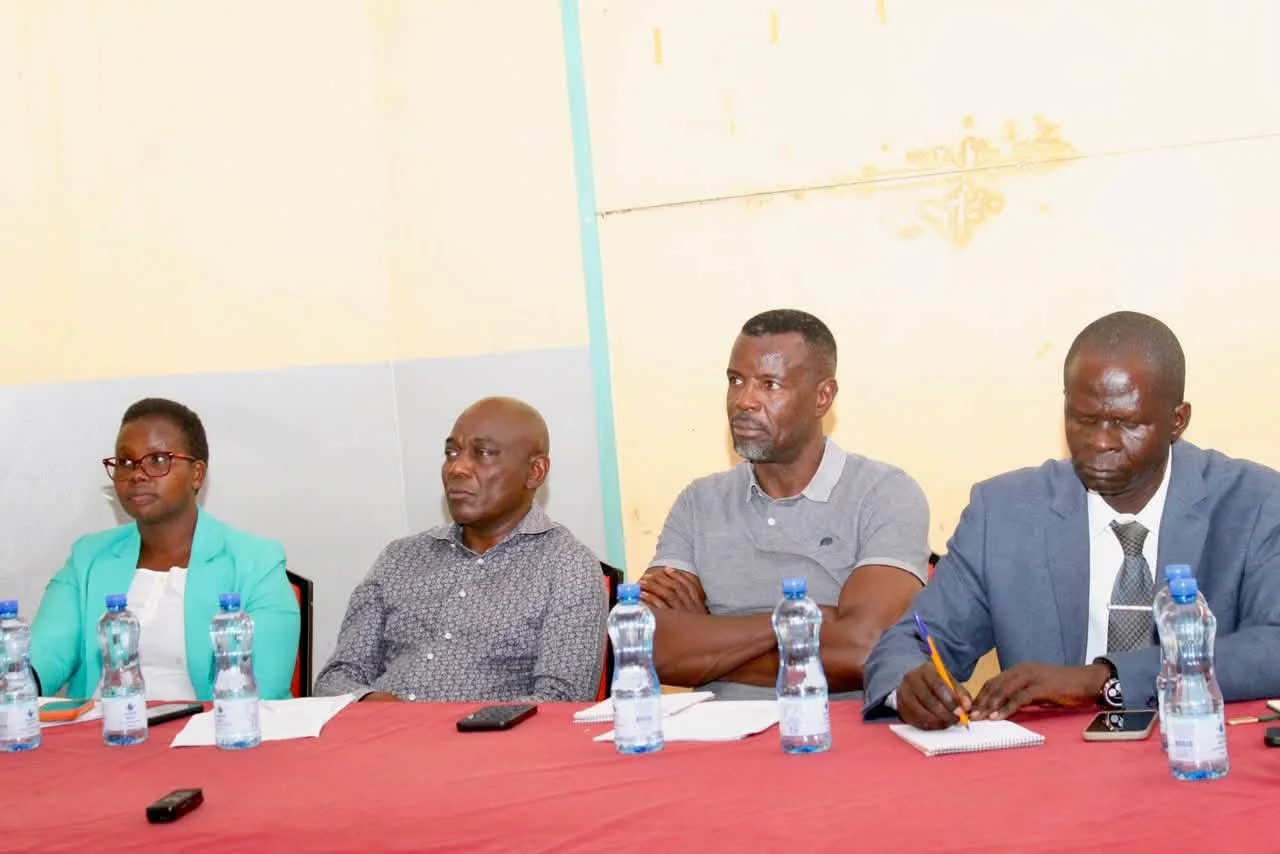
Sports stakeholders have called for greater public awareness, stricter oversight of coaches and the involvement of medical professionals in efforts to curb doping and protect clean competition in Kenya.
The recommendations emerged during public consultations on the Anti-Doping (Amendment) Bill, 2026, held in Elgeyo Marakwet and Baringo counties on Monday by the National Assembly Sports and Culture Committee, chaired by Daniel Wanyama (Webuye West).
The proposed legislation seeks to strengthen Kenya’s anti-doping laws and align them with the revised World Anti-Doping Code, which takes effect on January 1, 2027.
Wanyama said the proposed amendments would extend accountability beyond athletes to other individuals involved in administering or facilitating the use of prohibited substances, including coaches and pharmacists.
“Kenya is part of UNESCO International Convention against Doping in Sport and is required to maintain an anti-doping framework that is consistent with its international obligations, therefore we must conform with this requirement to ensure that Kenya as a country is not banned due to doping menace,” the Chairperson stated.
Richard Kanda, an athletics coach based in Iten, said anti-doping knowledge remained largely concentrated within the athletics community, leaving other members of society unaware of prohibited substances and the risks they pose to athletes.
“It is only us in the athletics community who know the rules in place but now we also need other stakeholders in the society to be educated. This fight cannot be won by us alone we need everyone on board, doctors, coaches, pharmacists, boda boda riders and everyone in the society should be educated so as to protect our athletes,” Coach Kanda told the Committee.
Pharmacist Brian Keter welcomed the proposed changes but called for greater education among healthcare providers to ensure they understand anti-doping regulations and avoid inadvertently exposing themselves to penalties.
“What will protect me as a healthcare provider if an athlete comes for a simple over-the-counter drug and they end up misusing it as an enhancer? We need something to cushion medical practitioners. May be the Bill can list all the drugs that are prohibited to be sold to athletes,” Dr. Keter suggested.
During the consultations in Baringo County, participants also called for more frequent doping tests, arguing that regular screening could help identify violations and safeguard the integrity of competitions.
They further urged authorities to vet coaches, warning that some could be exposing young athletes to prohibited substances in pursuit of financial gains.
“All coaches should be vetted as some are just after financial gains. A lot of these athletes get suspended but they are innocent and it is the coaches that know what is happening since for some the end justifies the means,” Claire Chemoiywo told the Committee.
Responding to the concerns, Wanyama said the Anti-Doping Agency of Kenya (ADAK) would conduct public education workshops across the country to raise awareness about substances prohibited in sports.
He also acknowledged the need for provisions covering medical emergencies in which prohibited medication may be necessary to save a patient's life. In such cases, the responsible doctor or pharmacist would be required to complete a declaration explaining the medical necessity.
Committee member Caroli Omondi (Suba South) said doping undermined fair competition by giving athletes who use prohibited substances an advantage over those who compete cleanly.
“Kenya has a lot of respect in its performance in sports and we want to uphold that by ensuring our athletes compete fairly,” he said.
The committee is scheduled to continue collecting public views on the proposed amendments at County Hall in Eldoret, Uasin Gishu County, on Tuesday, October 27, 2026.