EACC boss defends separation of powers, urges youth patience
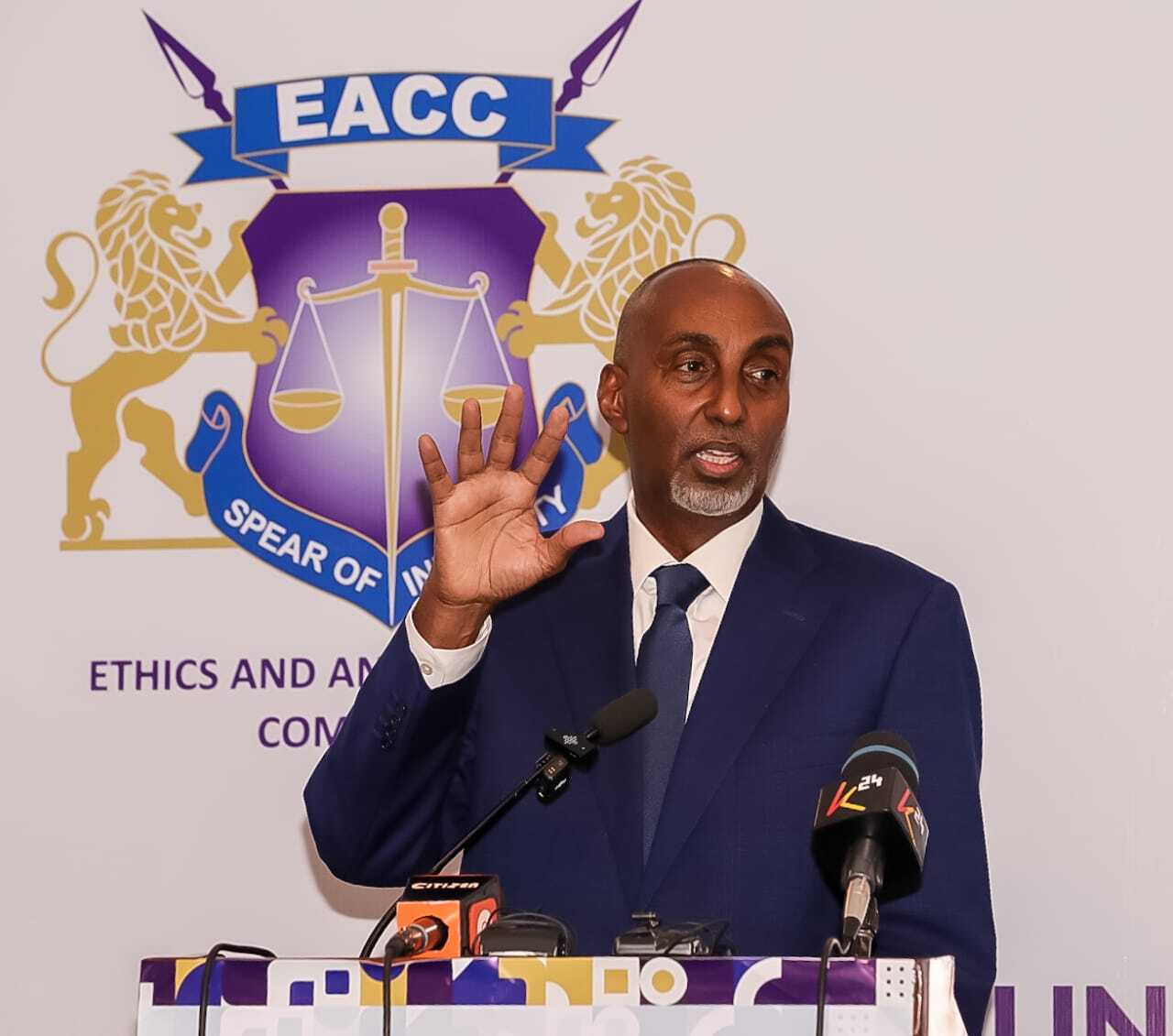
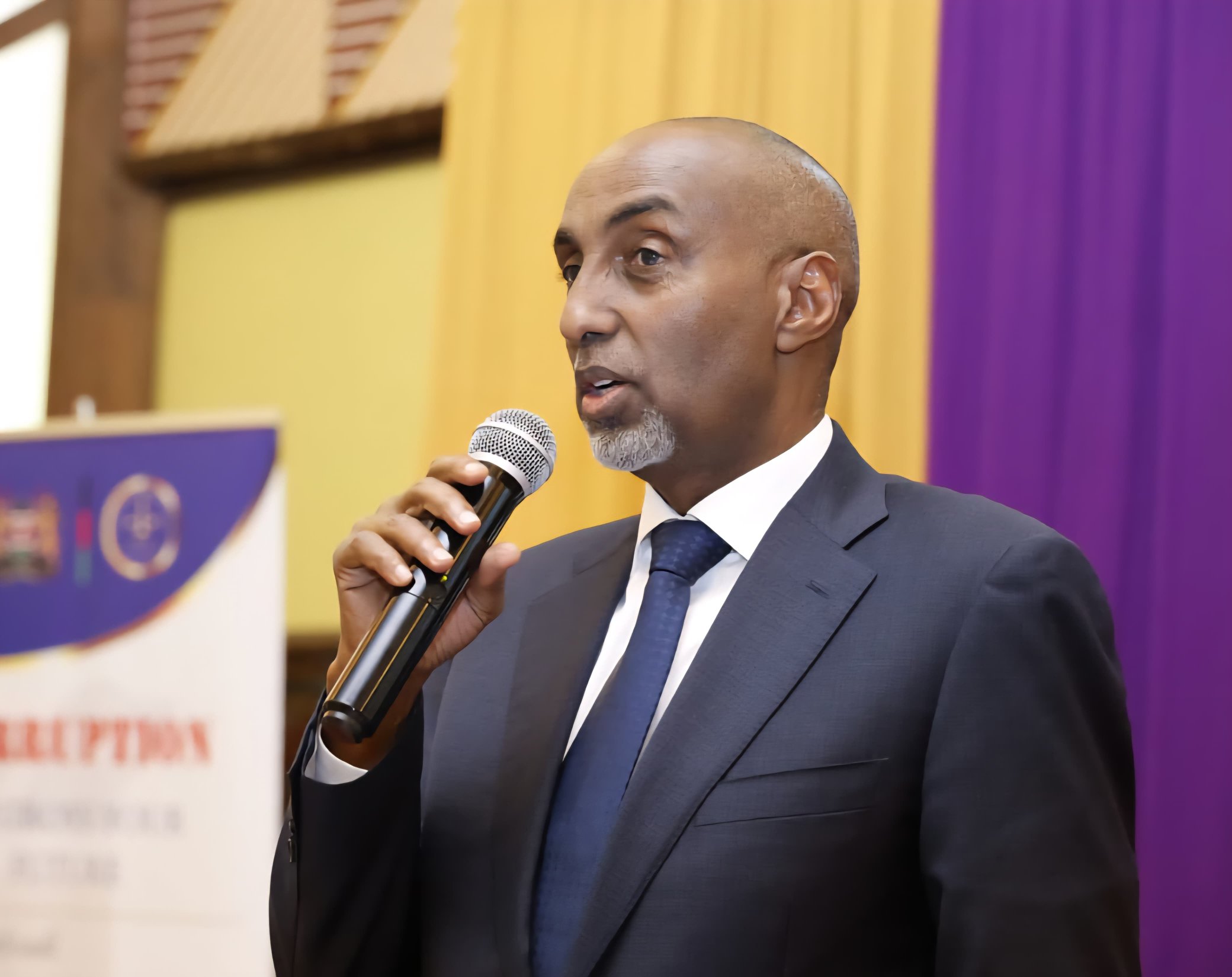
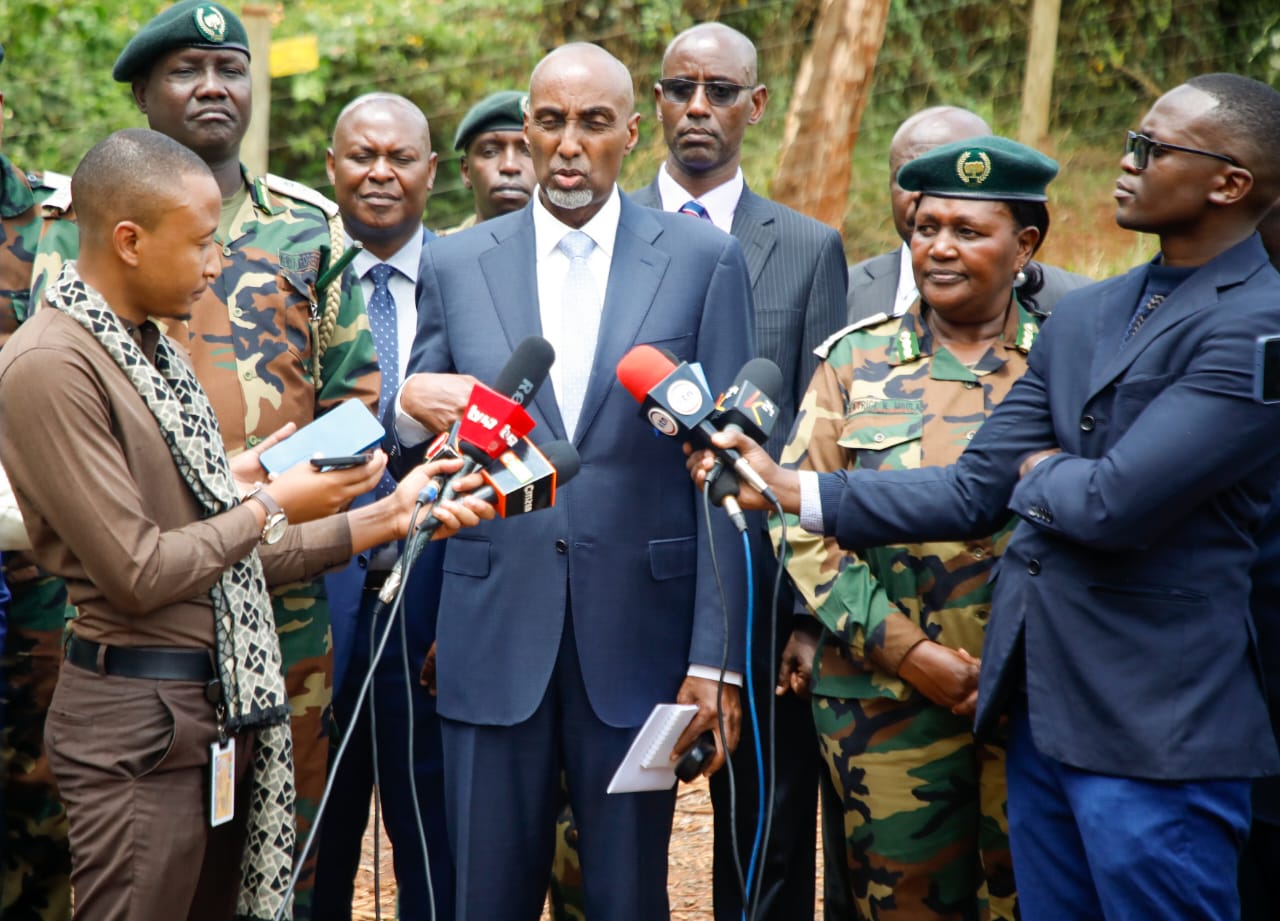
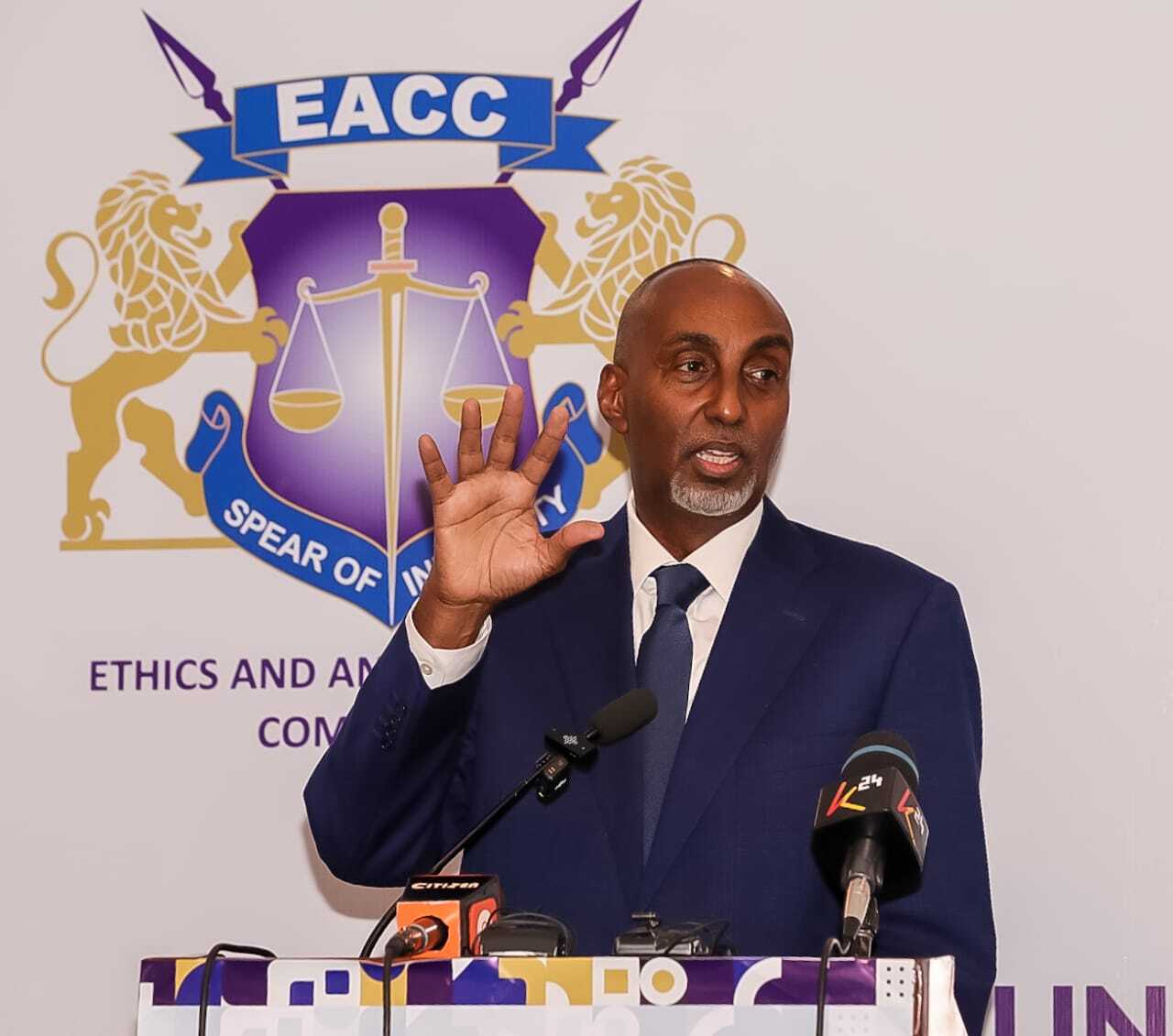
Speaking at the Youth Integrity Dialogue at the Technical University of Mombasa, Mohamud said that while the system may be inconvenient at times, it ultimately serves the public good.
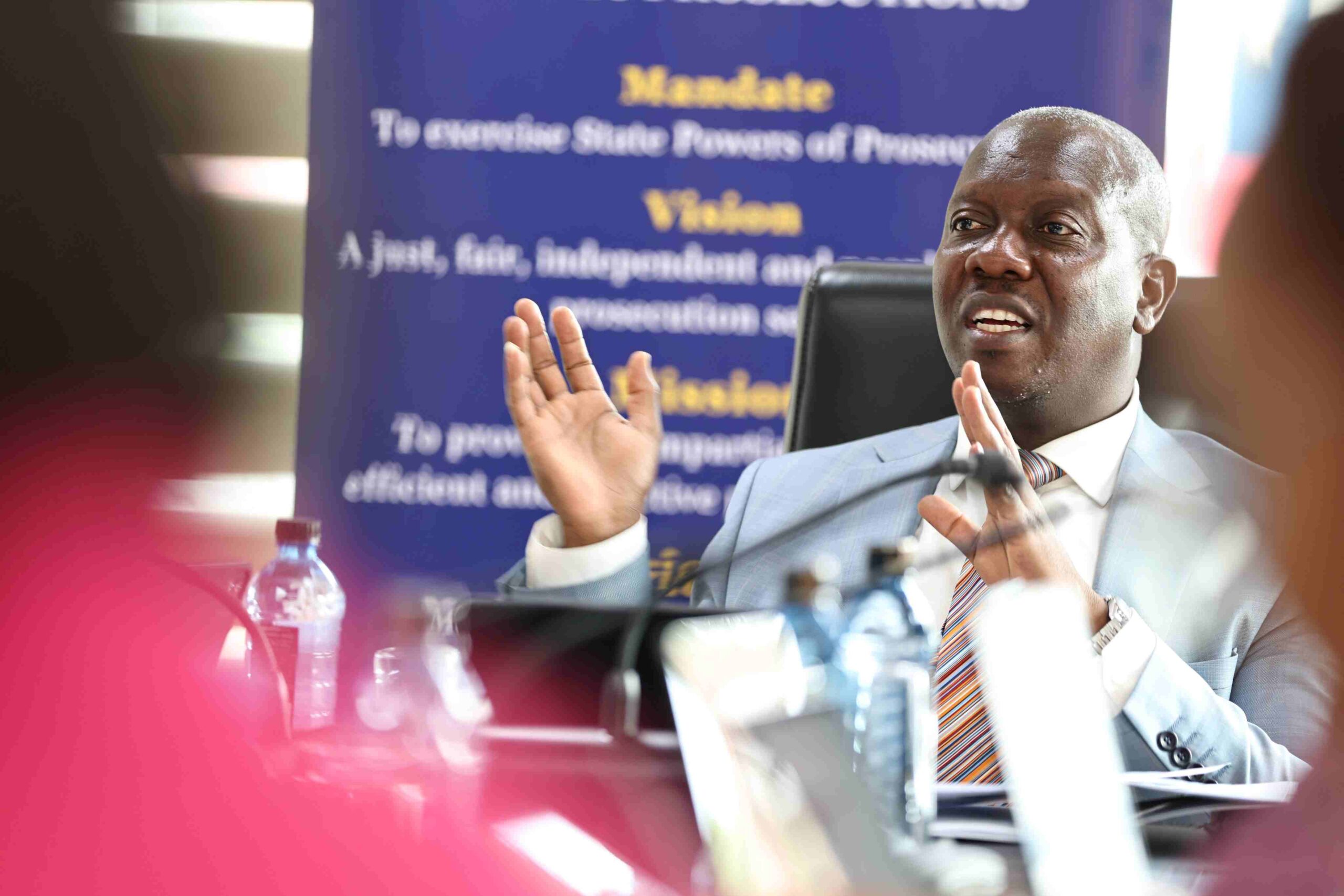
Between July 1 and September 30, the EACC completed 58 corruption investigations and forwarded them to the DPP. However, only 12 files received approval for prosecution, while others were returned for further inquiry, recommended for closure, or remain pending direction.
Citing the Conflict of Interest Act, 2025, the notice warns that non-compliant officers will face disciplinary action from January 2026. The declaration covers officers, spouses and dependent children below 18.
In March 2024, 53 out of 120 officers were reassigned, leaving only 67, and 30 of these were later sent for promotional training, reducing available staff to 27. The report further highlights that the unit has no structured system for reporting back to complainants, informants, or whistleblowers.
According to the ODPP, the investigation found that Kabeabea demanded Sh5 million from a business owner in exchange for halting investigations and refraining from arresting him and his employees.
The report attributes the gap to years of officers leaving without replacement, whether through resignations, dismissals, transfers to non-policing roles, or natural attrition. The Kenya Police Service alone lost 3,229 officers over the past three years.
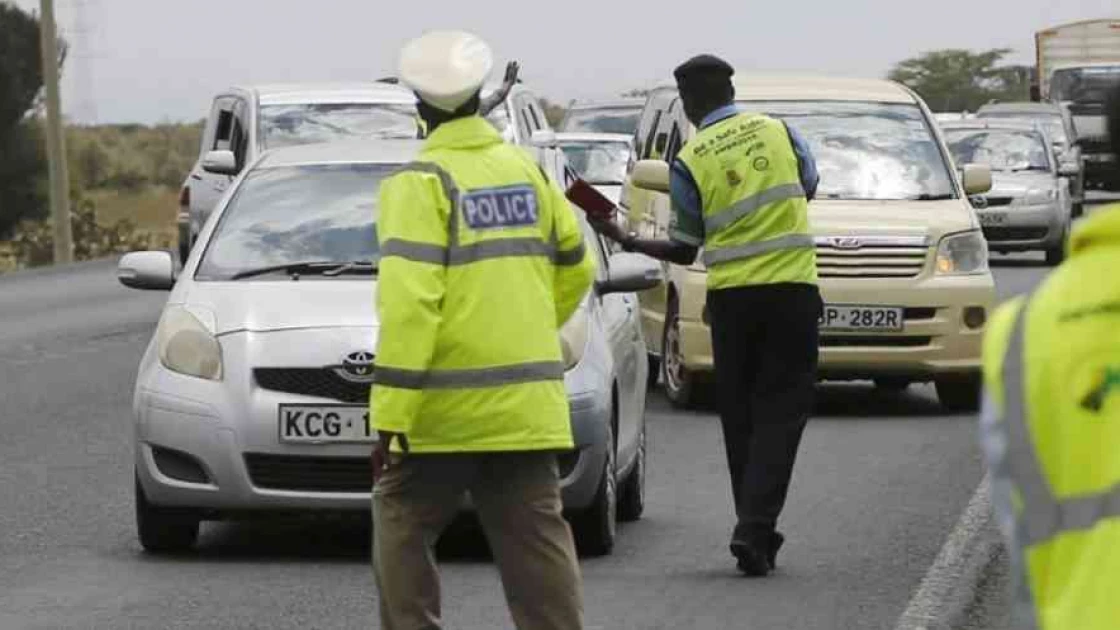
The investigation, carried out between February and June 2025, revealed that traffic officers routinely demand “protection fees” from Public Service Vehicle operators and boda boda riders. Some officers were reported to create false charges against those who refused to pay, with the illicit gains often reaching senior officials, embedding a culture of corruption throughout the unit.
The Ethics and Anti-Corruption Commission (EACC) arraigned Evans Agumba Oriato, a Compliance Officer based in Kisumu, before the Kisumu Anti-Corruption Court on bribery charges.
In his statement, EACC boss Abdi Mohamud revealed that the Commission has received more than 50 reports of alleged corruption involving officials of the Bungoma County Assembly.
Over the past three years, the commission has received 288 county-related graft cases from the Senate, exposing deep-rooted financial mismanagement in devolved units.
Each declaration must cover an officer’s income, assets and liabilities, as well as those of their spouse and dependent children under 18 years. Officers must also include any “material change” as defined in Section 31(4) of the Act, which refers to significant variations affecting declared assets or income.
Public Service Cabinet Secretary Geoffrey Ruku revealed the details on Citizen TV’s Monday Report, saying the ongoing audit of the government’s Human Resource Information System had exposed deep-rooted fraud within the civil service.
EACC Chief Executive Officer Abdi Mohamud told senators that six cases have reached court conclusions, seven are awaiting decisions, and 74 have been forwarded to other agencies for follow-up.
The EACC disclosed that since 2022, it has investigated 549 cases of fraudulent academic and professional credentials. Of these, 85 files have been forwarded for prosecution, and 13 convictions recorded. The 2023-24 national audit further revealed that among 168,000 officers across 358 institutions, 859 individuals held fake academic certificates, while 160 had fraudulent professional credentials.
According to reports, the Sh328 million tender, awarded for the construction of a Nyamira County Government building, was given to a contractor accused of receiving payments far exceeding the actual work completed.
According to EACC, the case was first lodged in 2007 by its predecessor, the Kenya Anti-Corruption Commission (KACC), following investigations that revealed how public forest land had been irregularly transferred and subdivided.
Investigations by the Commission showed that on January 19, 1996, the then Commissioner of Lands unlawfully demarcated and allocated the public land on a 99-year lease starting February 1, 1996. A Grant, referenced as CR Number 28222, was issued to Shaibu Hamisi Mgandi on March 15, 1996, without any justification or consideration for public interest.
He pledged to work with the Ethics and Anti-Corruption Commission to restore integrity in the public payroll system.
The property, belonging to the State Department for Housing and Urban Development, had been illegally acquired by a private individual who went on to demolish a government house and construct a multimillion-dollar maisonette on the land.
Anyoso was arrested on October 8, 2025, after investigations revealed that she used a falsified Bachelor of Commerce degree certificate purporting to be from the University of Nairobi.
According to the EACC, Mualuko was arrested on October 7, 2025, following investigations into claims that he had presented a falsified certificate purportedly issued by Bishop Ndingi High School.
The initiative, launched at both county headquarters, is part of the EACC-GIZ Good Governance Programme that aims to institutionalize integrity in public service.
The guidelines include streamlining the legal processes, harmonising the procedures, accelerating adjudication and having a consistent and predictable judicial officers in Special Magistrates’ Courts.
The arrest followed investigations triggered by complaints from Kericho residents who claimed the official had made it routine to demand bribes before initiating the issuance of title deeds.
According to the anti-graft agency, the registrar had withheld the document until the complainant paid what he called “release fees.”
EACC Commissioner John Ogallo and Governor Benjamin Cheboi pledged to drive transparency and accountability within the region, with Baringo currently ranked second nationally in bribe prevalence.
Oparanya was accused of irregularly receiving Sh56.7 million, with EACC recommending charges of conflict of interest, abuse of office, and money laundering.
Senators described the office as the weakest link in Kenya’s anti-corruption fight, pointing to instances where the DPP’s decisions to withdraw cases have frustrated investigations and denied the public the full course of justice.