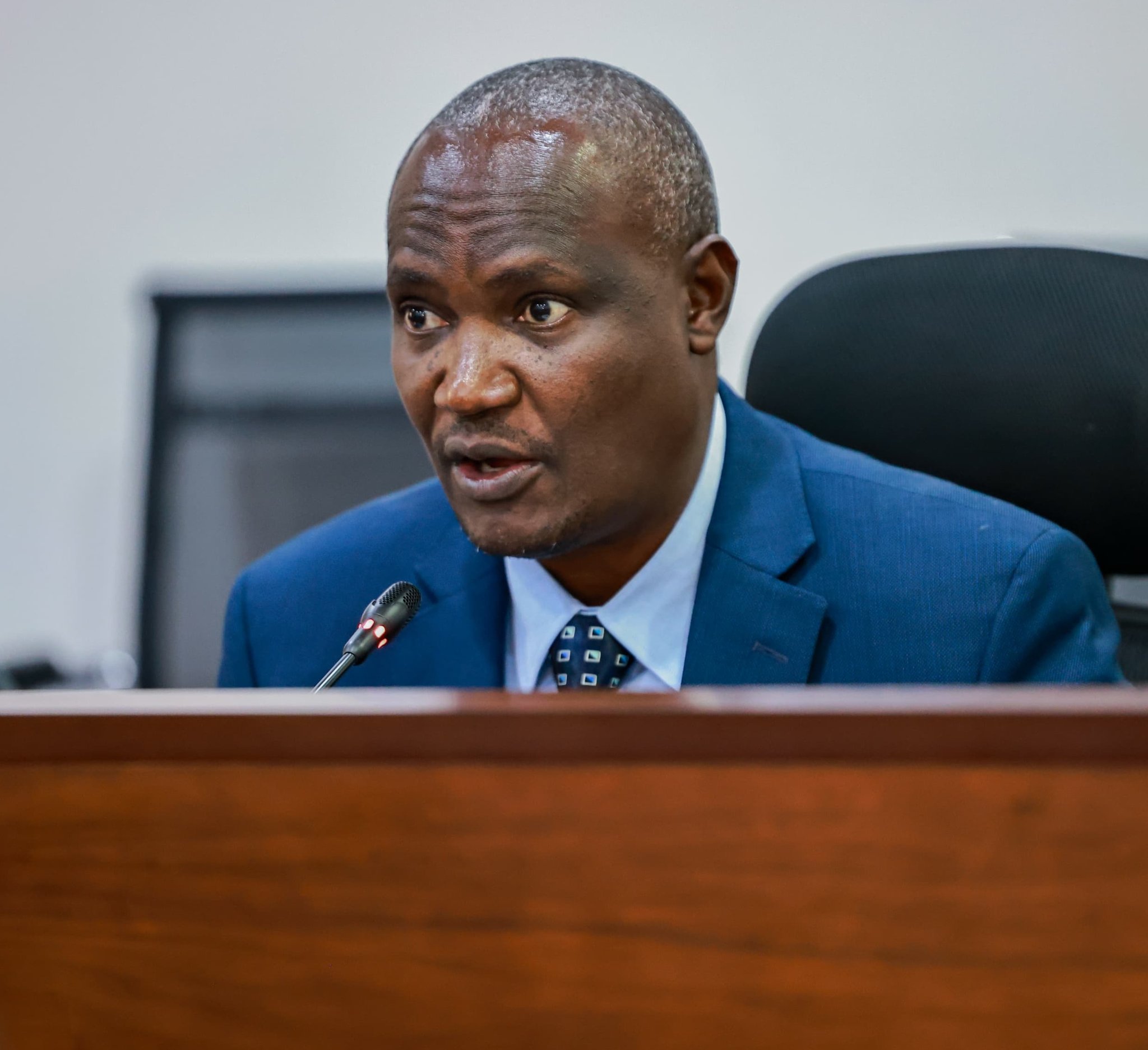
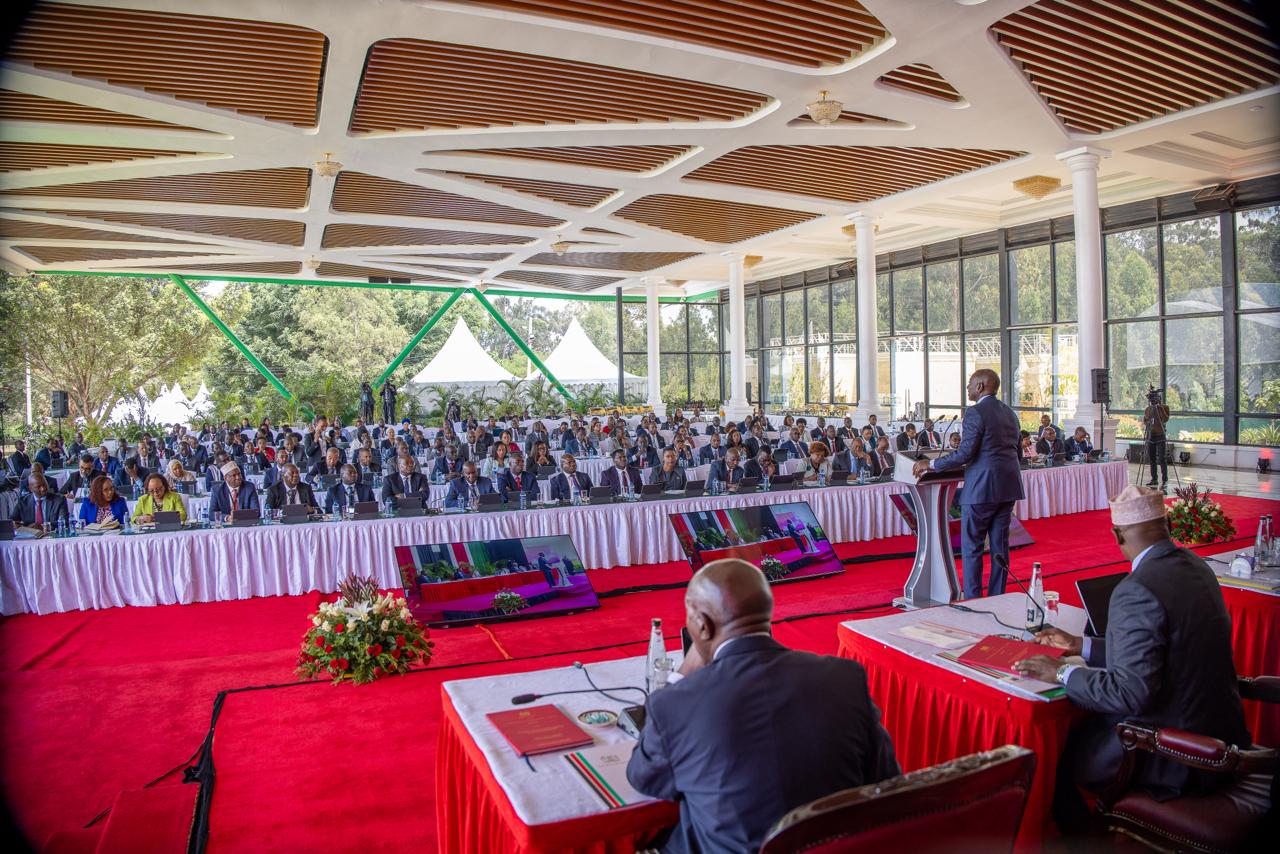
CS Mbadi: Kenyans were heard before 2026/27 budget was finalised
According to the CS, the budget-making process was designed to ensure that public views were not only collected but also considered before final decisions were made.
The agreement came after several rounds of discussions involving the National Treasury and prevented a prolonged stalemate that had threatened to delay the flow of funds to devolved units.
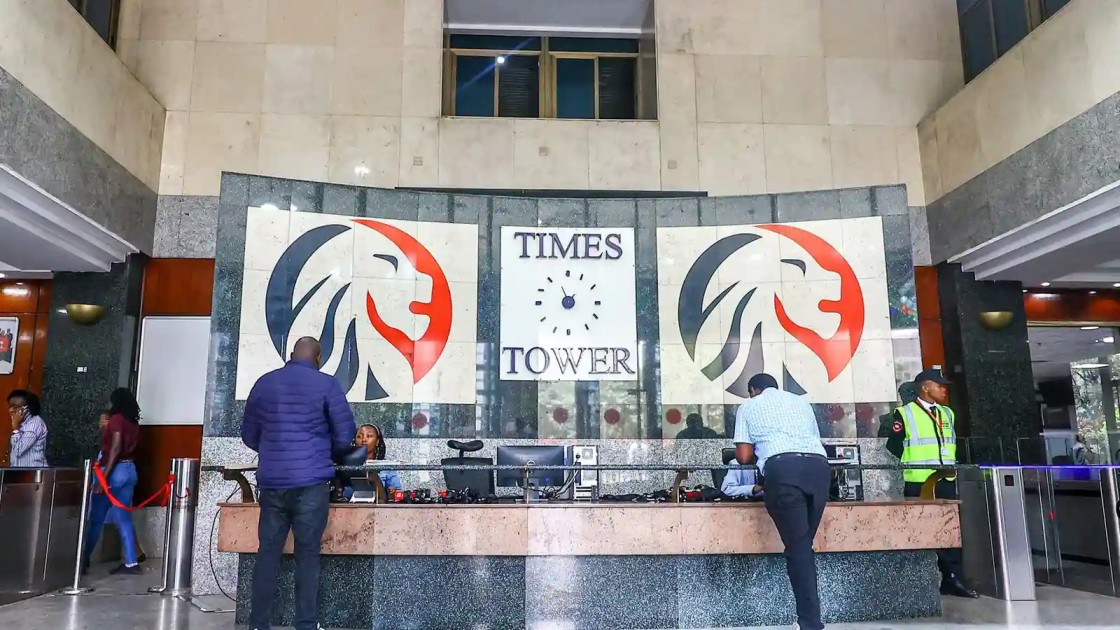
The five-storey building, previously occupied by the insurance firm before it relocated its operations to Upper Hill about a year ago, has now become a point of contention over the timing of government spending on its refurbishment.
The proposal is aimed at tightening accountability as defaults continue to rise among public institutions that receive loans from the Treasury for development projects and other activities.
The Commission on Revenue Allocation had recommended Sh459 billion for counties in the 2026/27 financial year, widening the difference between technical advice and political agreement.
The department’s allocation for the current financial year stands at Sh38.15 billion, compared to Sh34.39 billion in 2024/25 as captured in the Controller of Budget’s February report.
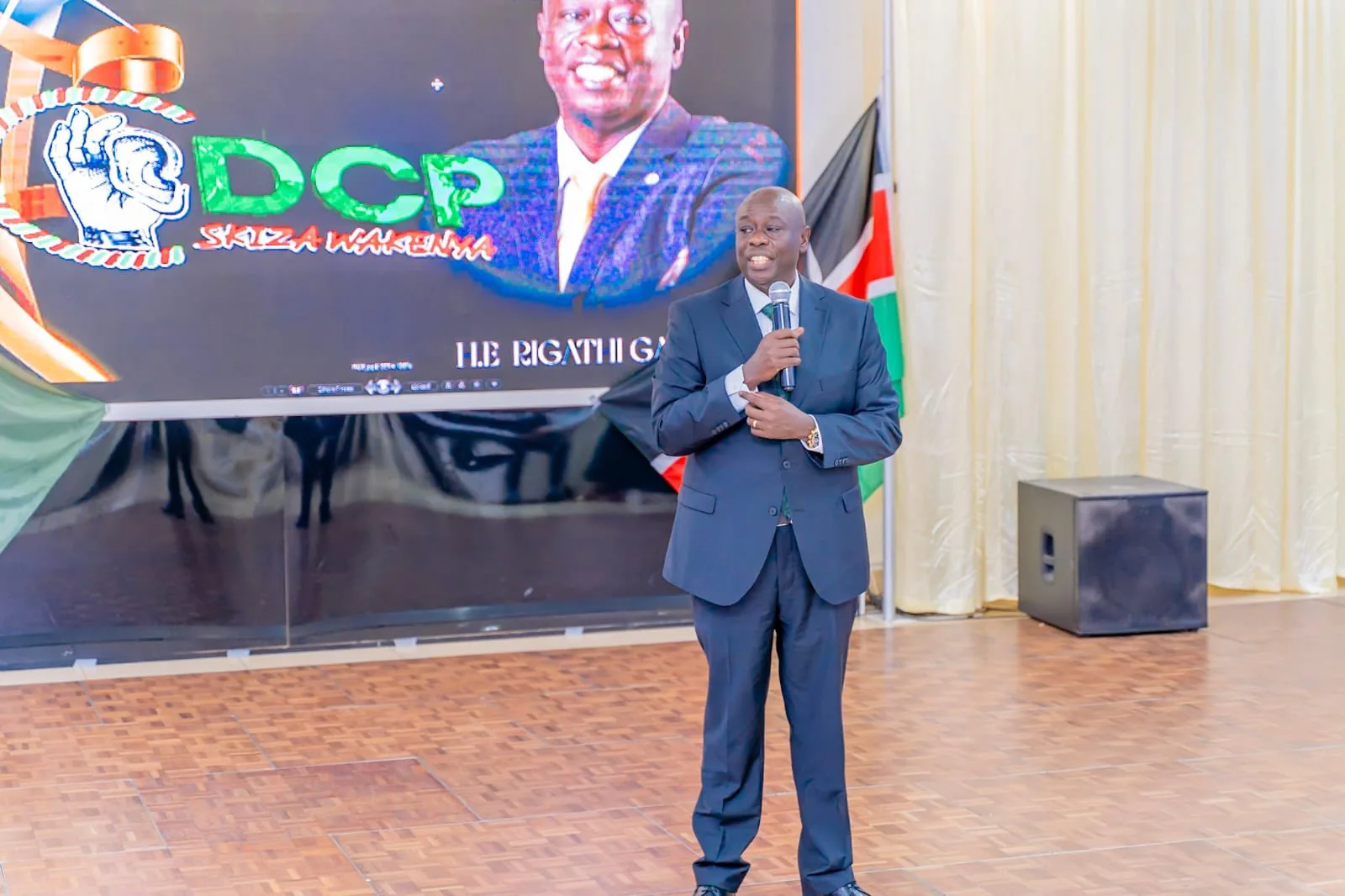
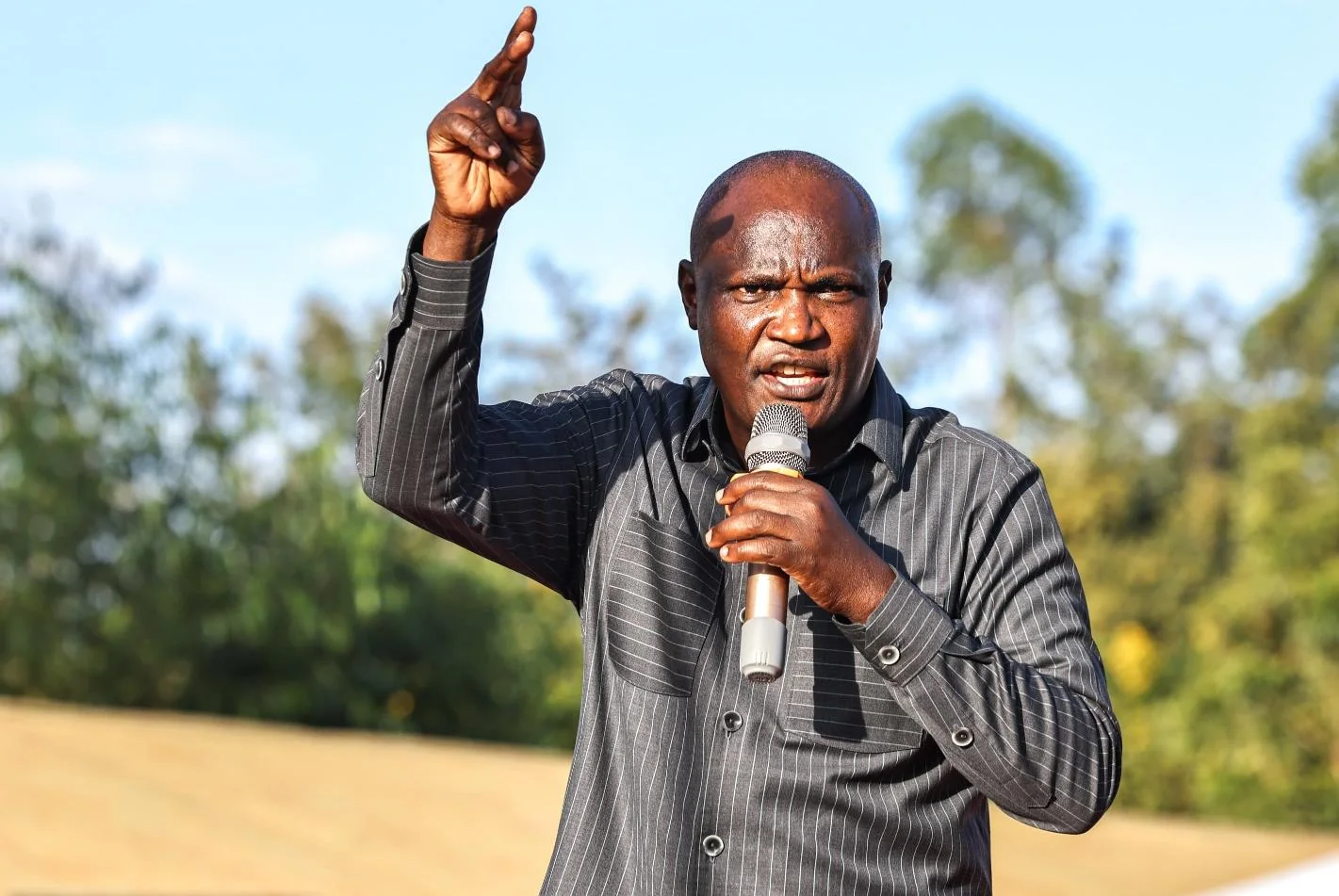
Rigathi Gachgua argued that the government's projected expenditure of Sh4.82 trillion was disconnected from the realities facing ordinary citizens
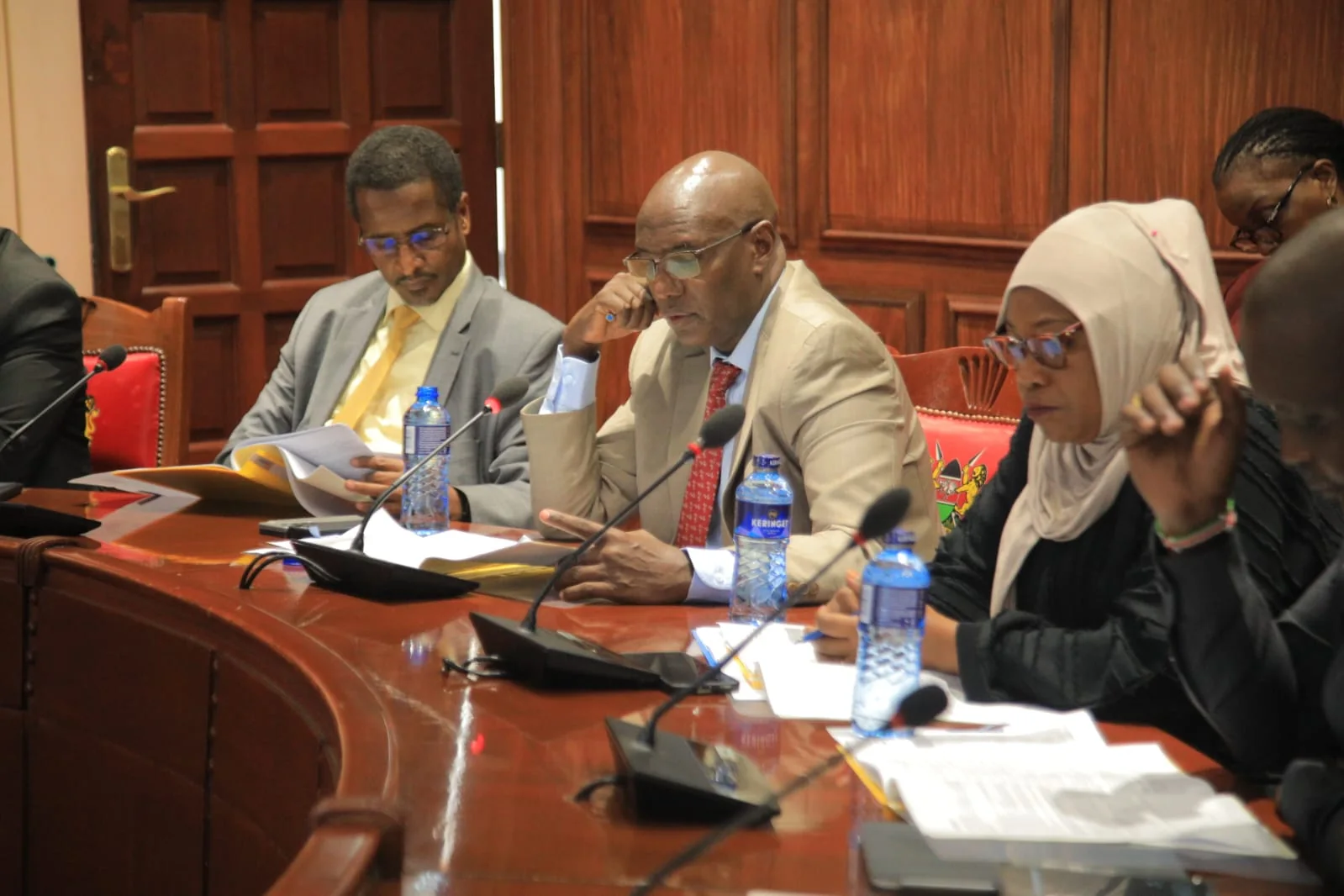
Abdi Noor Mohamed claims billions allocated to the region have failed to translate into meaningful development, leaving residents without essential services despite substantial public investment
Of the Sh2.31 trillion earmarked for debt servicing, Sh1.25 trillion, representing 54 per cent, will be used to pay interest on loans while Sh1.06 trillion will go towards repayment of the principal debt.
More than 5,000 former civil servants are asking the court to enforce a 2012 High Court ruling on unlawful retrenchment. They want Sh1.6 billion, while Treasury cites delays verifying claims across ministries.
At the centre of the findings is a Sh1.67 billion loan from the National Treasury that KMC has not recorded in its books, despite earlier instructions following a verification process.
New official data shows public debt rose by Sh533 billion between December and March, increasing from Sh12.29 trillion to Sh12.83 trillion during the period.
The weaker performance comes at a time when the government is under growing pressure to ease tax burdens, especially on salaries through pay-as-you-earn (PAYE), in response to rising living costs affecting households across the country.
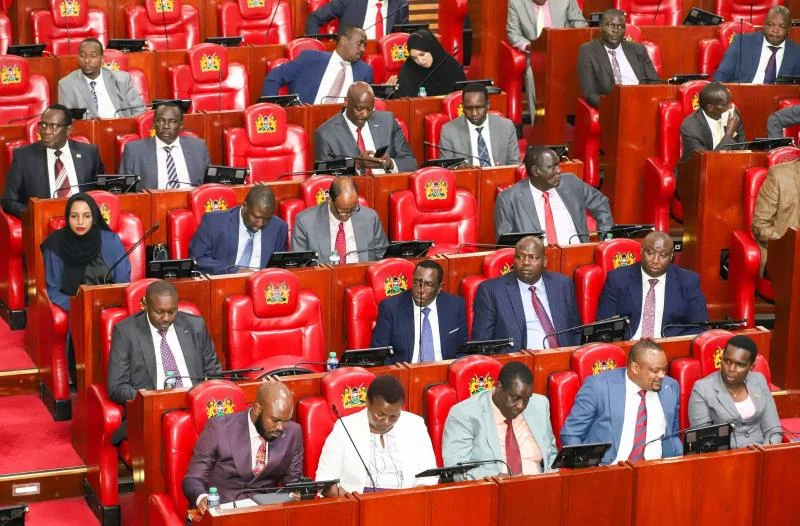
MPs expressed doubts over the realism of revenue forecasts and raised concerns about gaps in tax collection systems.
In a public notice issued on Thursday, the Treasury said the Budget Statement for the new financial year would outline the government’s spending plans and economic priorities for the period beginning July 2026.
According to Treasury projections, the government expects to raise Sh3.63 trillion in revenue in the coming financial year. Out of that amount, about Sh1.5 trillion will be spent on servicing debt while another Sh1 trillion will go towards paying public servants.
Latest data from the National Treasury shows that expenditure on salaries and wages rose to Sh576.7 billion in the July 2025–March 2026 period, up from Sh436.1 billion in the same period a year earlier.
CS Mbadi told the committee that the shift is intended to ease pressure on the national budget and allow more self-reliant financing among state agencies involved in commercially viable projects.
The State Department for the Blue Economy and Fisheries has asked Parliament for an extra Sh1.66 billion after National Treasury allocated Sh3.08 billion for 2026/27 development, below projected needs of Sh4.74 billion.
The Financial Reporting Centre (FRC) told Parliament that severe budget cuts leave it with zero operational funds to combat money laundering and terrorism financing. Lawmakers met the agency to review FATF action-point implementation and financing gaps.
To cushion consumers, Mbadi said the government has continued to intervene through subsidies and tax adjustments despite rising fiscal pressure.
The State Department for Cooperatives says it needs Sh15.28 billion for 2026/27, but the National Treasury allocated Sh6.98 billion, leaving an Sh8.3 billion gap. PS Patrick Kilemi warned this may slow cooperative and coffee programmes.
The department warned that several ongoing and planned projects may be affected if the shortfall is not addressed. These include programmes under regional development authorities, water projects, and community support initiatives focused on food security and climate resilience.
Committee Chairperson Kuria Kimani said Parliament would need to revisit the budgets submitted by Ministries, Departments, and Agencies after hearing their presentations so that allocations can reflect the changing economic environment.
At the centre of the price pressure is a tightening global supply chain that has reduced available fuel in traditional markets. This has pushed countries like Kenya to seek alternative sources such as India, which comes with higher freight and insurance charges, further increasing landed costs.
LSK President Charles Kanjama said the latest adjustments have worsened pressure on citizens and the business sector, accusing key state institutions of decisions that have pushed the cost of living higher.
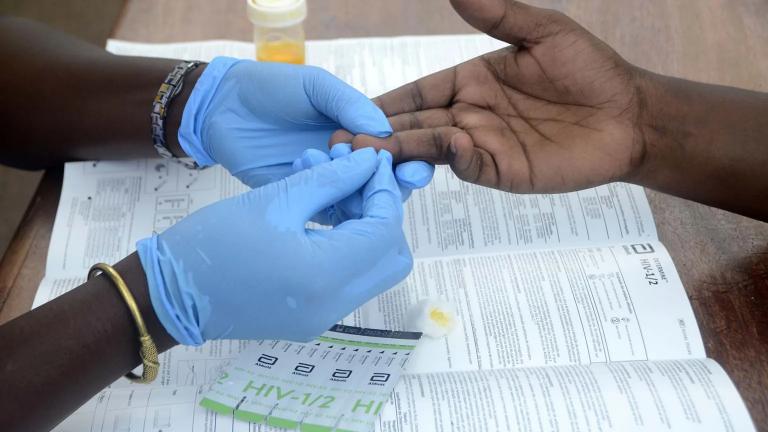
The HIV programme has received the largest allocation of Sh8.83 billion, accounting for more than 70 per cent of the total funding, while malaria has been allocated Sh2.28 billion and tuberculosis Sh1.26 billion.
His remarks come after Winnie drew a clear line on the role of the National Treasury, insisting that it must remain insulated from political confrontation, after the CS made remarks believed to have been directed at the Odinga family.
Winnie further drew a clear line on the role of the National Treasury, insisting that it must remain insulated from political confrontation.
National Treasury has set aside Sh2.9 billion for police recruitment in 2026/2027, but Inspector-General Douglas Kanja says the National Police Service needs at least Sh6.7 billion to hire officers before the 2027 election.