News
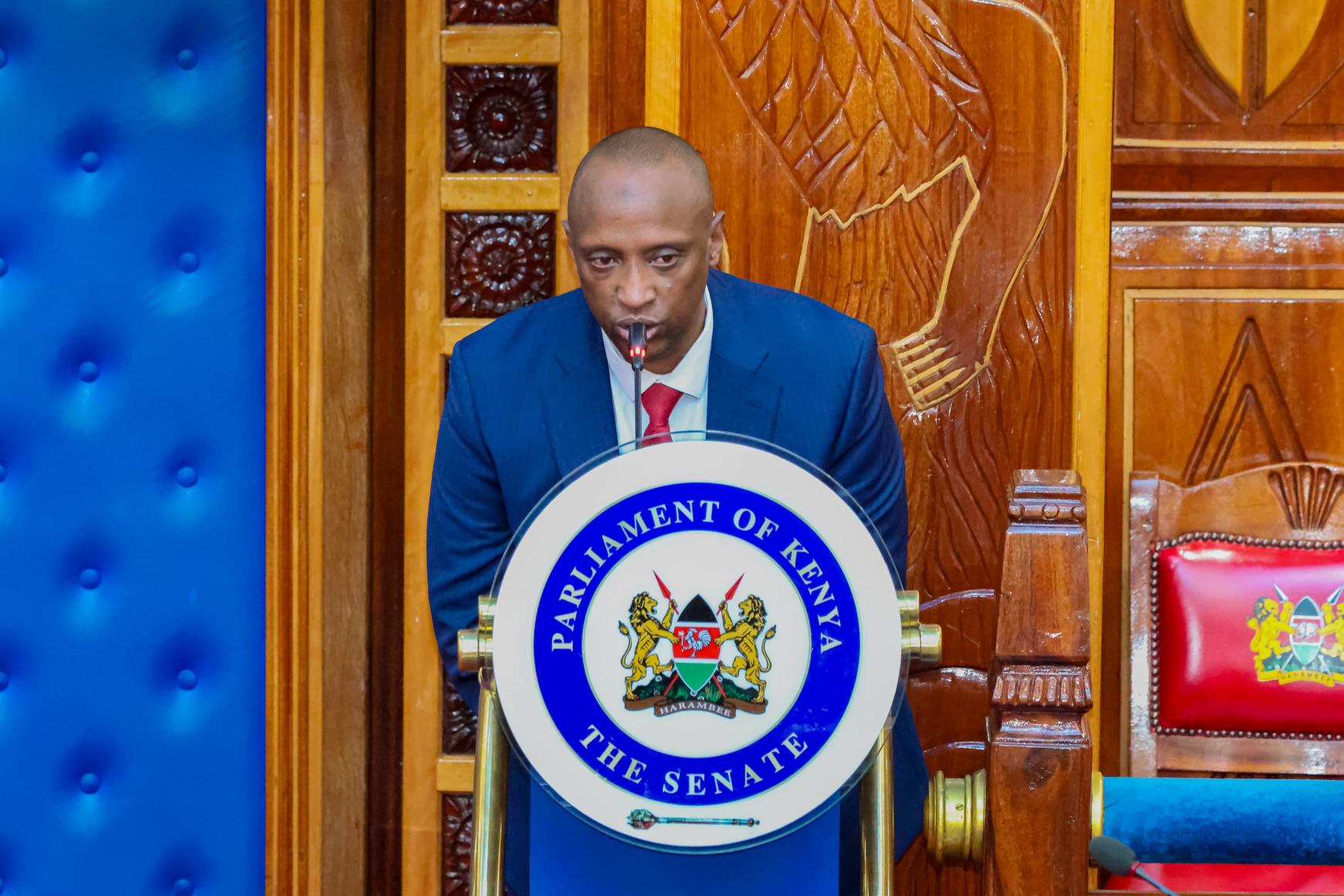
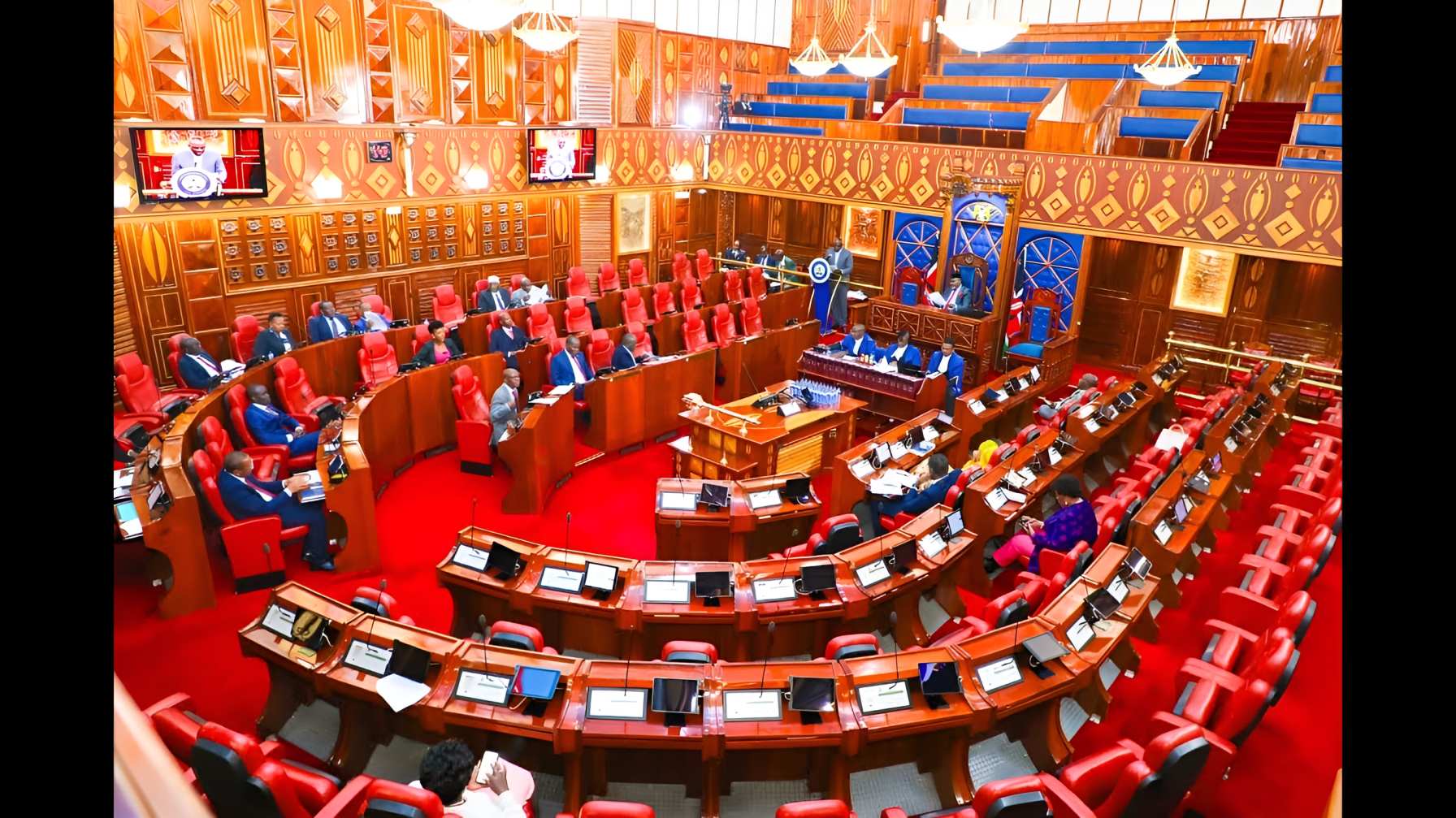
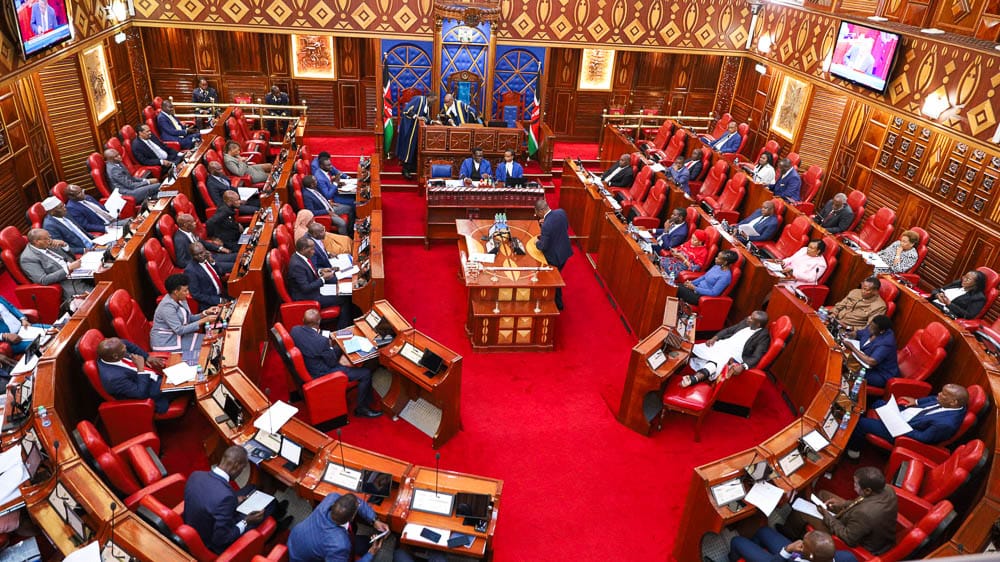
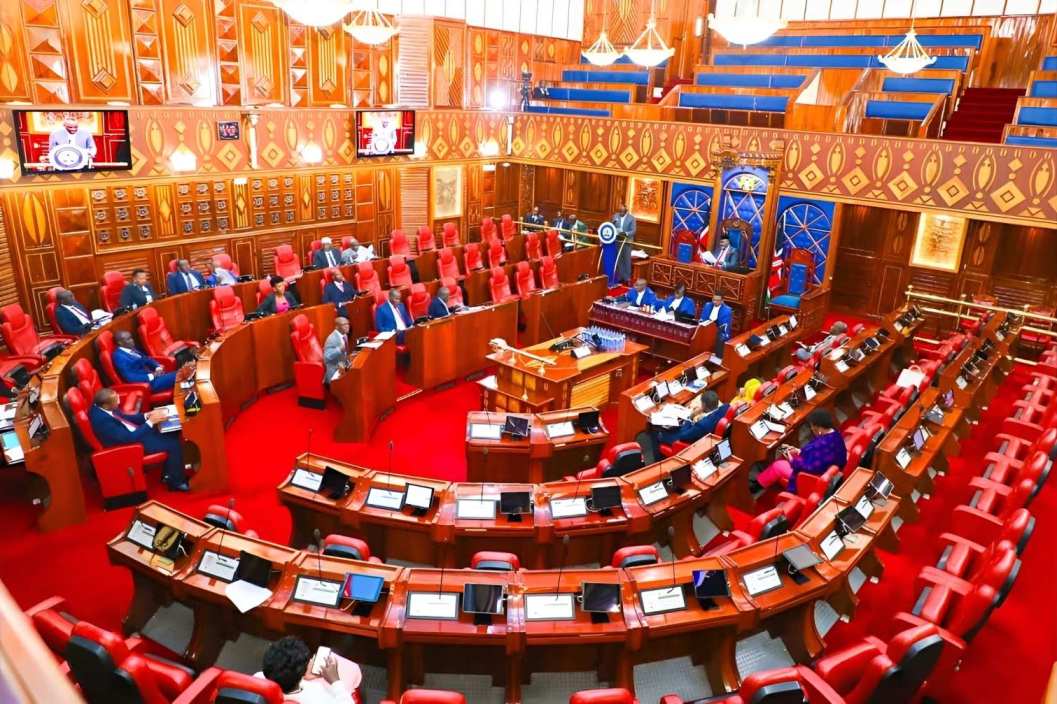
Isiolo Governor pleads not guilty as Senate begins impeachment trial
The governor is facing three main charges: gross violation of the Constitution, gross misconduct, and abuse of office.

Hard truths.
The governor is facing three main charges: gross violation of the Constitution, gross misconduct, and abuse of office.

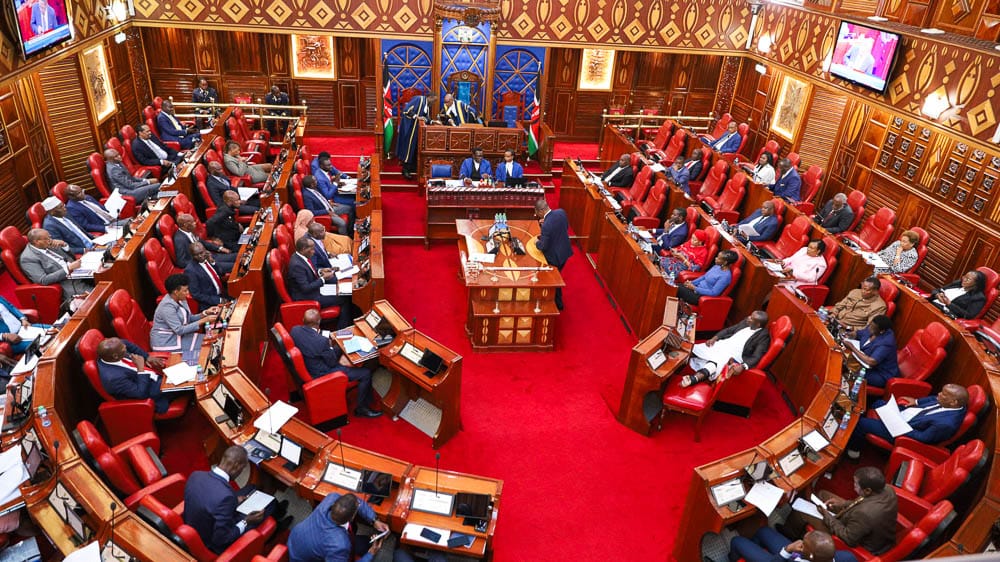
This marks the seventh impeachment case handled by the Senate since the beginning of the 13th Parliament, and the third attempt to remove a governor during the current parliamentary term.
Senators say the existing model, which gives counties at least 15 percent of the most recently audited national revenue, fails to match the real financial burden of devolved services, leading to poor implementa...
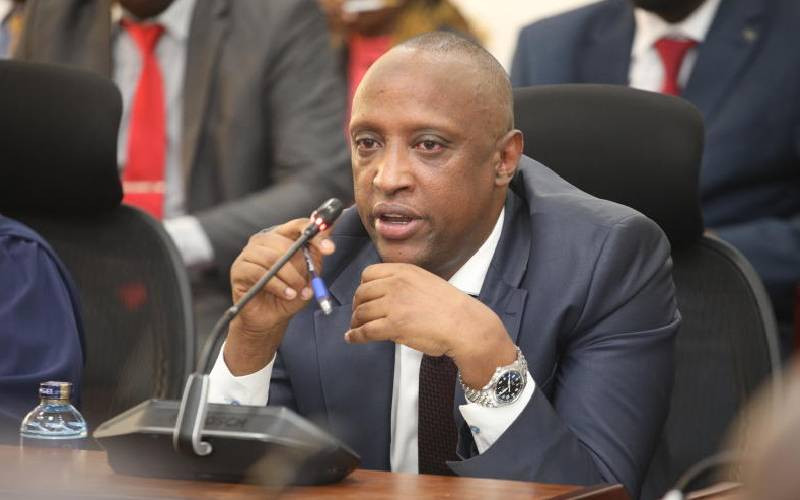
Despite a court order halting the impeachment process until a case filed by Guyo is heard, the Isiolo County Assembly moved forward with the motion.
The House vote followed a tense stretch for Republican leadership, who faced divisions in their ranks.
Kericho Governor Eric Mutai, who appeared before the committee, said the Urban Areas and Cities Act must be amended to allow municipalities to keep and use the revenue they collect.
Senators noted that three ethnic groups, Kalenjin (22%), Kikuyu (20%), and Luo (11%), account for more than half of LAPFUND’s employees.
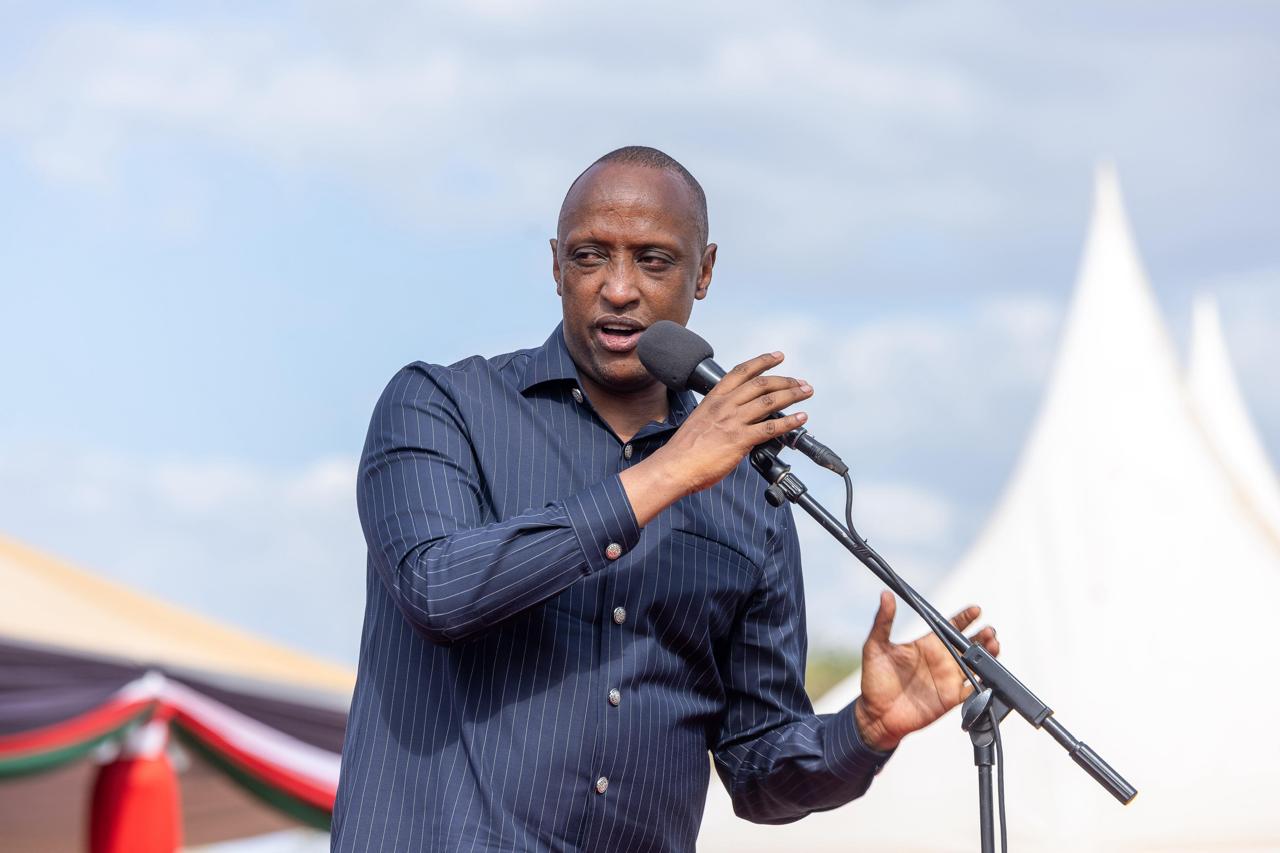
. The sessions will be dedicated entirely to investigating the impeachment charges brought against Guyo by the Isiolo County Assembly—charges the governor has vigorously fought to block through the courts.
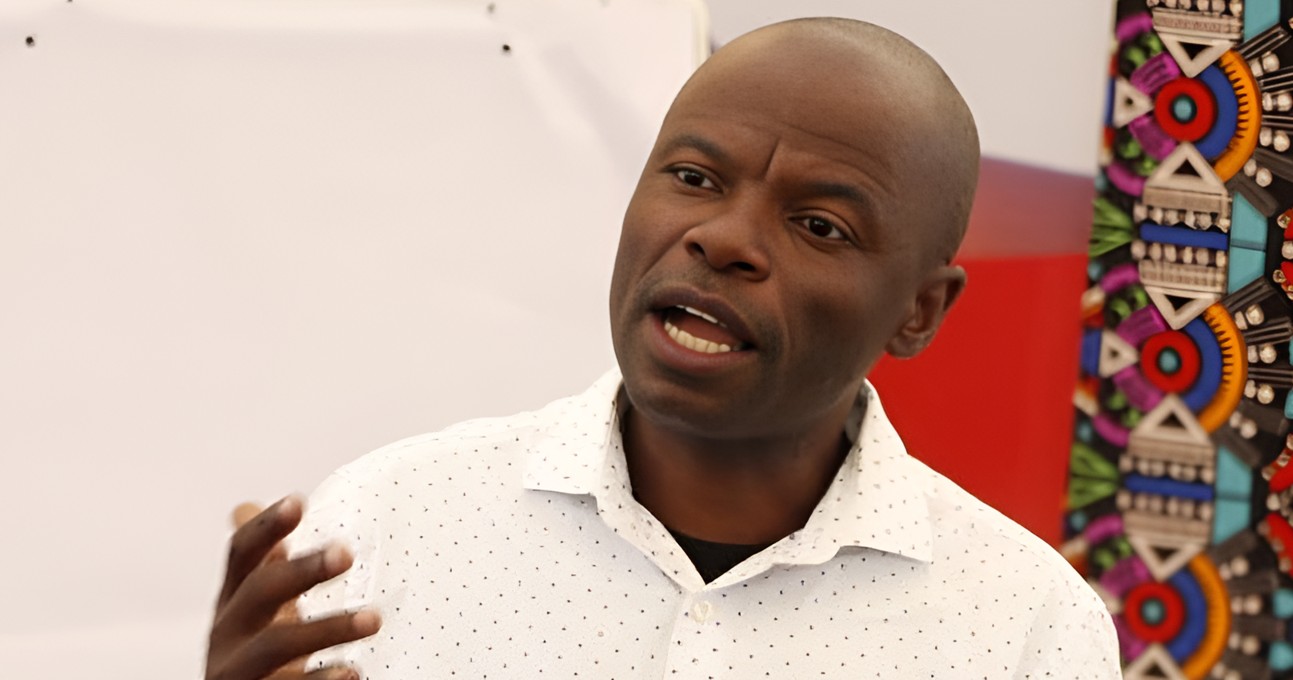
The directive follows a petition tabled before the Senate Committee on Devolution and Intergovernmental Relations by Laban Omusundi, the Executive Director of the Grassroots Civilian Oversight Initiative and a...
Only three out of 12 reservations were accepted, with senators dismissing broader definitions meant to close loopholes involving family ties and perceived conflicts.
Tharaka Nithi and Garissa were singled out for failing to clear long-standing bills, with one firm owed since 2014.

The report shows that in these counties, more than 90 per cent of public workers belong to one ethnic group — far above the legal limit of 70 per cent.