News
Senate saves Governor Guyo from impeachment over procedural flaws
A total of 31 elected senators voted to uphold the objection, effectively ending the proceedings. Only 12 opposed the motion.

Hard truths. Bold Insights. Real talk.
A total of 31 elected senators voted to uphold the objection, effectively ending the proceedings. Only 12 opposed the motion.

Theuri told senators that the Hansard had no legal weight as it lacked certification by the Assembly Clerk.

The Equalisation Fund has also been allocated Sh9.6 billion, providing targeted development support to 34 counties identified as marginalised.

The governor is facing three main charges: gross violation of the Constitution, gross misconduct, and abuse of office.

This marks the seventh impeachment case handled by the Senate since the beginning of the 13th Parliament, and the third attempt to remove a governor during the current parliamentary term.

Senators say the existing model, which gives counties at least 15 percent of the most recently audited national revenue, fails to match the real financial burden of devolved services, leading to poor implementation.

Despite a court order halting the impeachment process until a case filed by Guyo is heard, the Isiolo County Assembly moved forward with the motion.

The House vote followed a tense stretch for Republican leadership, who faced divisions in their ranks.

Kericho Governor Eric Mutai, who appeared before the committee, said the Urban Areas and Cities Act must be amended to allow municipalities to keep and use the revenue they collect.

Senators noted that three ethnic groups, Kalenjin (22%), Kikuyu (20%), and Luo (11%), account for more than half of LAPFUND’s employees.

. The sessions will be dedicated entirely to investigating the impeachment charges brought against Guyo by the Isiolo County Assembly—charges the governor has vigorously fought to block through the courts.

The directive follows a petition tabled before the Senate Committee on Devolution and Intergovernmental Relations by Laban Omusundi, the Executive Director of the Grassroots Civilian Oversight Initiative and a resident of Nakuru County.

Only three out of 12 reservations were accepted, with senators dismissing broader definitions meant to close loopholes involving family ties and perceived conflicts.

Tharaka Nithi and Garissa were singled out for failing to clear long-standing bills, with one firm owed since 2014.
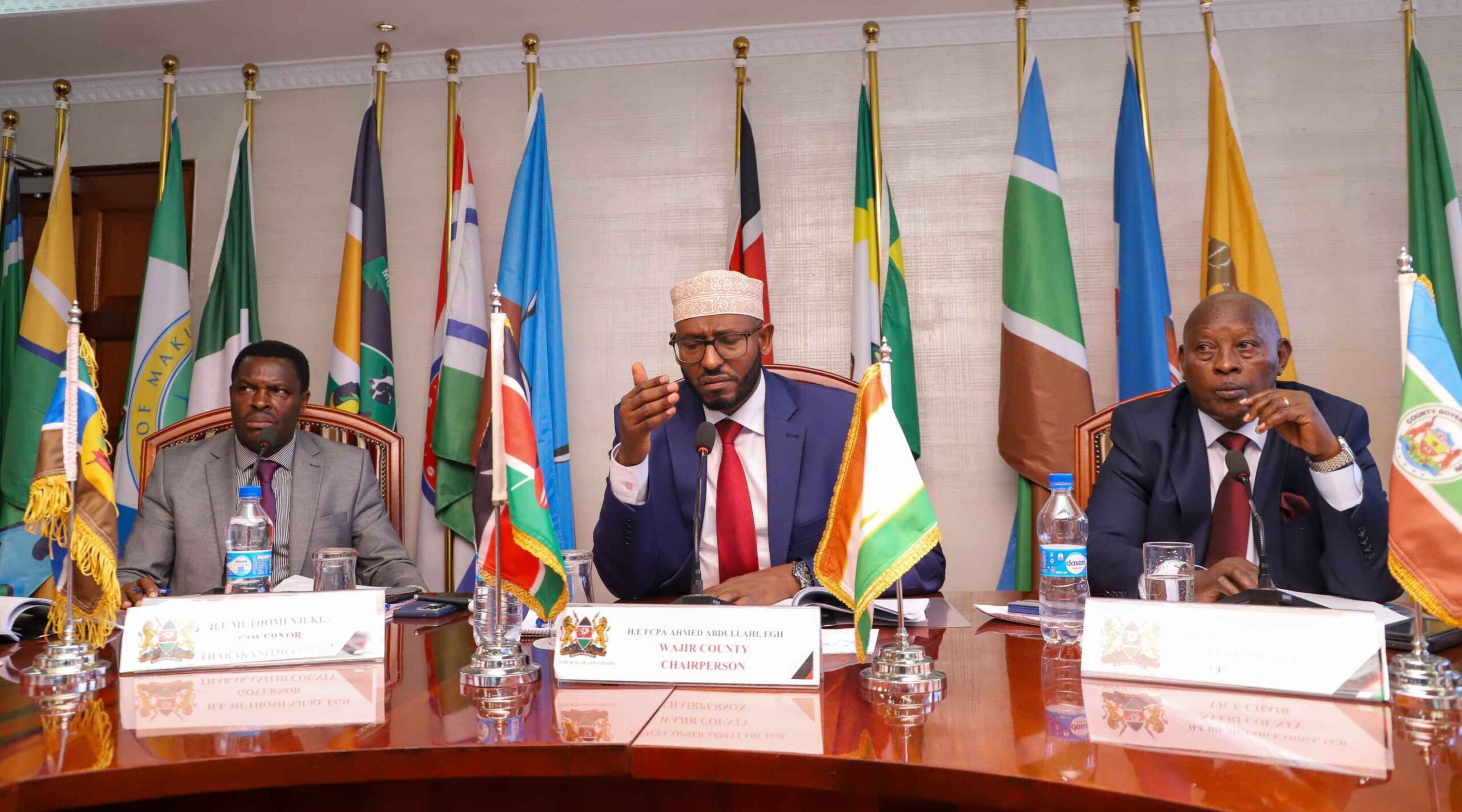
The report shows that in these counties, more than 90 per cent of public workers belong to one ethnic group — far above the legal limit of 70 per cent.

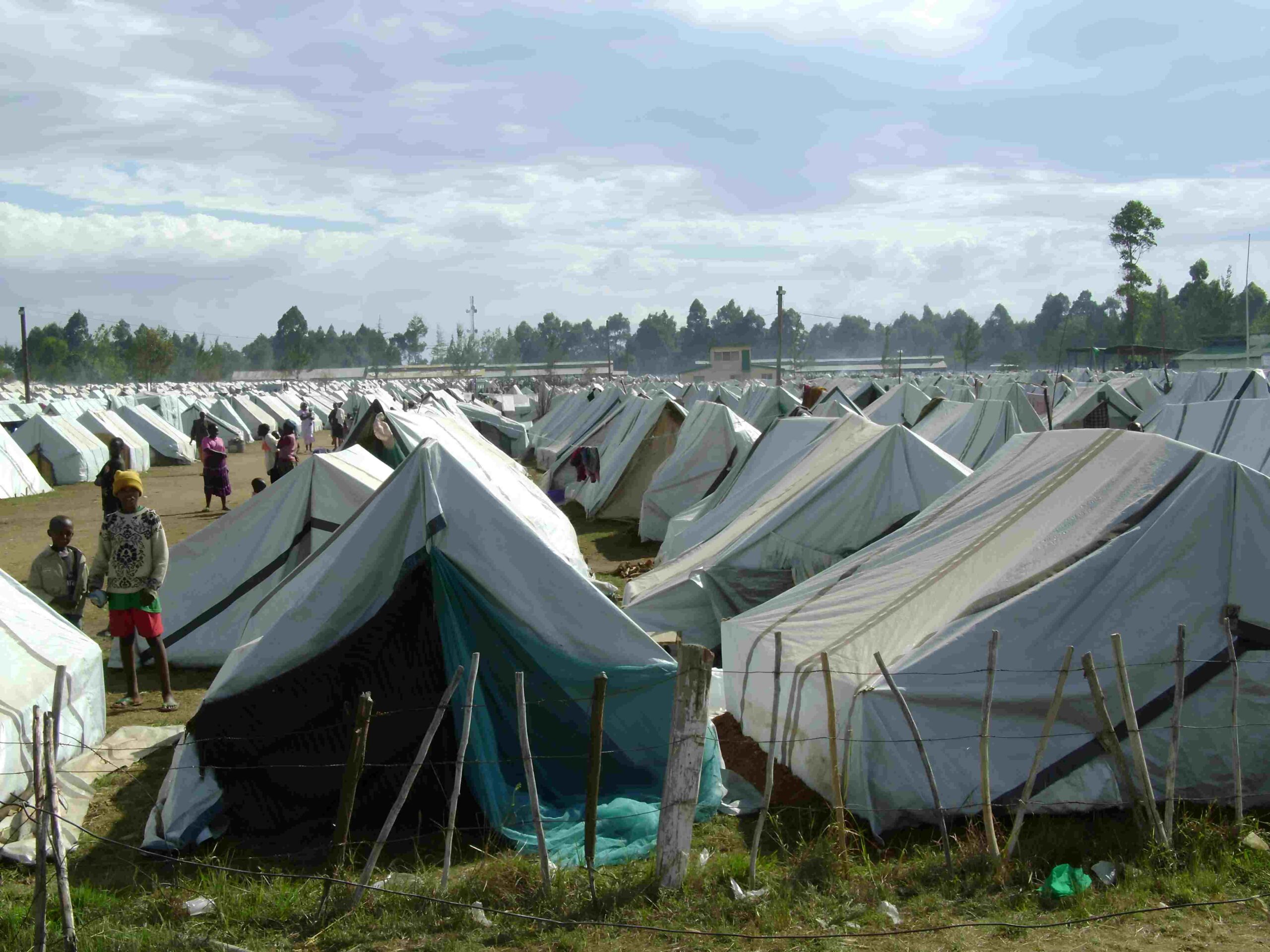
Mohammed Faki, chair of the Senate Committee on Lands, Environment, and Natural Resources, noted that the government had already acquired 45 farms in Laikipia specifically for the purpose of relocating the affected families.

The wide gap has triggered a new mediation process between the two Houses, reopening long-standing tensions over how much funding devolved units should receive.

The lawmakers voted to extend the period from 14 to 45 days, arguing that the proposed amendments were too detailed to handle within the initial deadline.

Kabila, who ruled between 2001 and 2019, did not attend the session to respond to the charges.
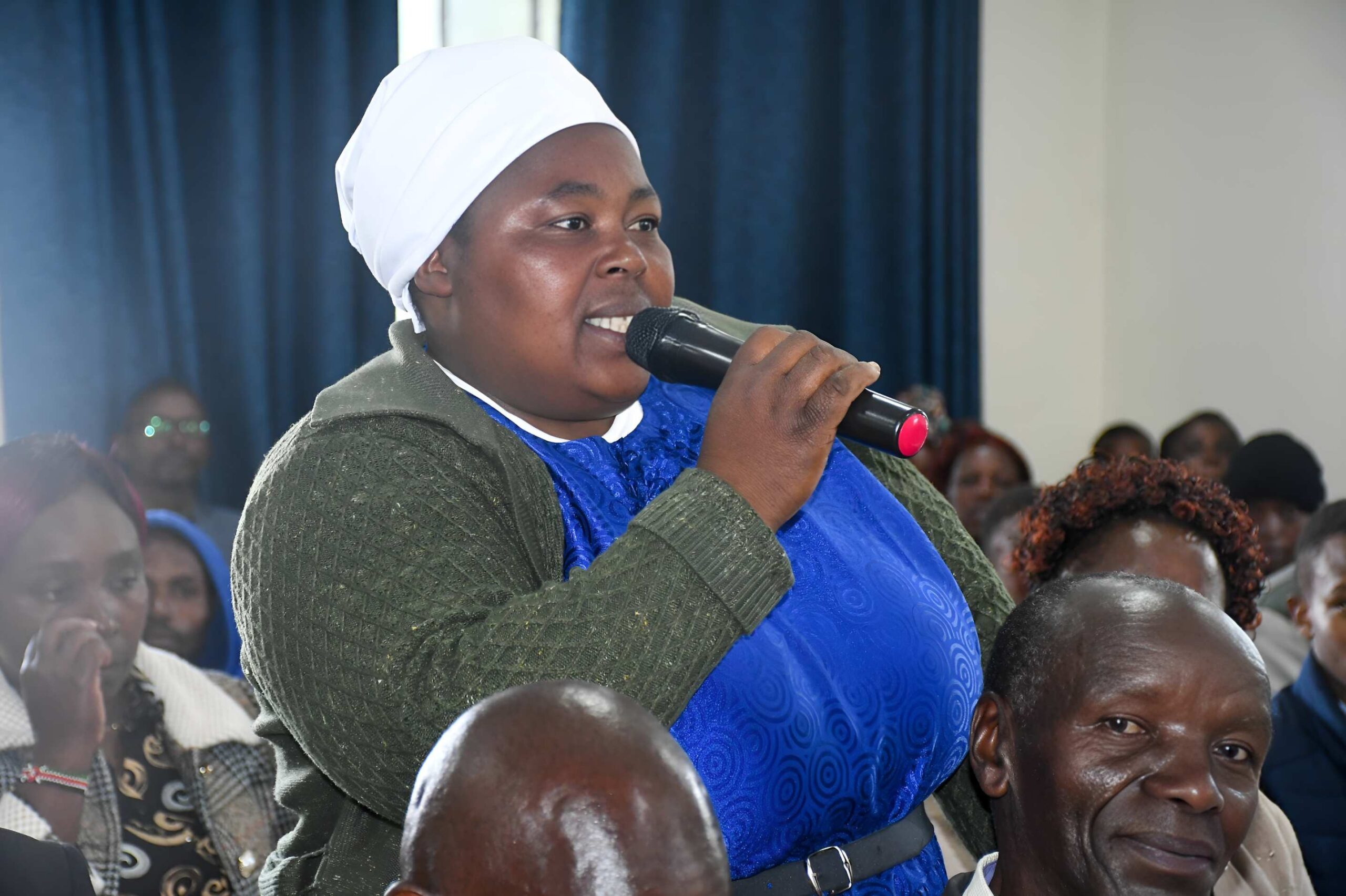
Some argue that the MPs are attempting to legitimize a fund that was previously declared unconstitutional by the courts.

Kingi, while addressing the visibly frustrated Senators, emphasized that Mbadi’s letter neither explained his absence nor showed respect to the institution.

Instead of enforcing the ban, senators issued guidelines advising counties to limit outsourcing legal work to only complex or specialised cases.

Smaller but still troubling losses were seen in Siaya, Bomet, Narok, and Lodwar, each ranging between Sh53 million and Sh102 million.