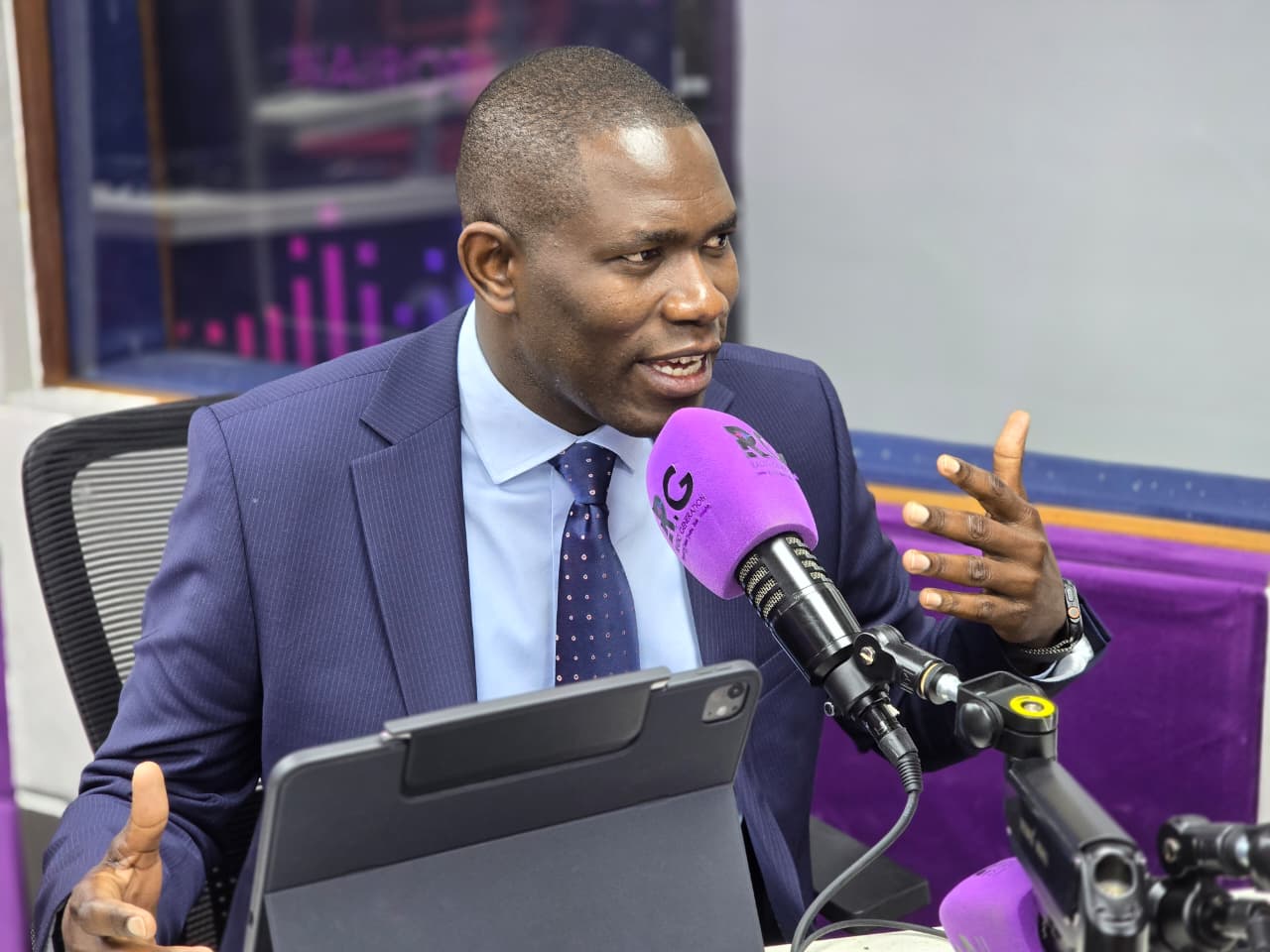
PS Oluga: Kenya ready to handle Ebola threat despite regional outbreak
He says over 55,000 people have been screened and 2,200 health workers trained, while reaffirming Health CS Aden Duale’s confirmation that the country remains Ebola-free.
According to WHO, the success of containment efforts now depends on access to affected areas, with officials stressing that “stopping this Ebola transmission depends entirely on humanitarian access.”
At the same time, the Centers for Disease Control and Prevention has called on staff to volunteer for urgent deployment to help with Ebola screening at United States entry points as surveillance measures are tightened.
They are believed to have contracted Ebola on 27 March while working in the eastern region of Ituri on a project unrelated to the virus, before the outbreak was identified.
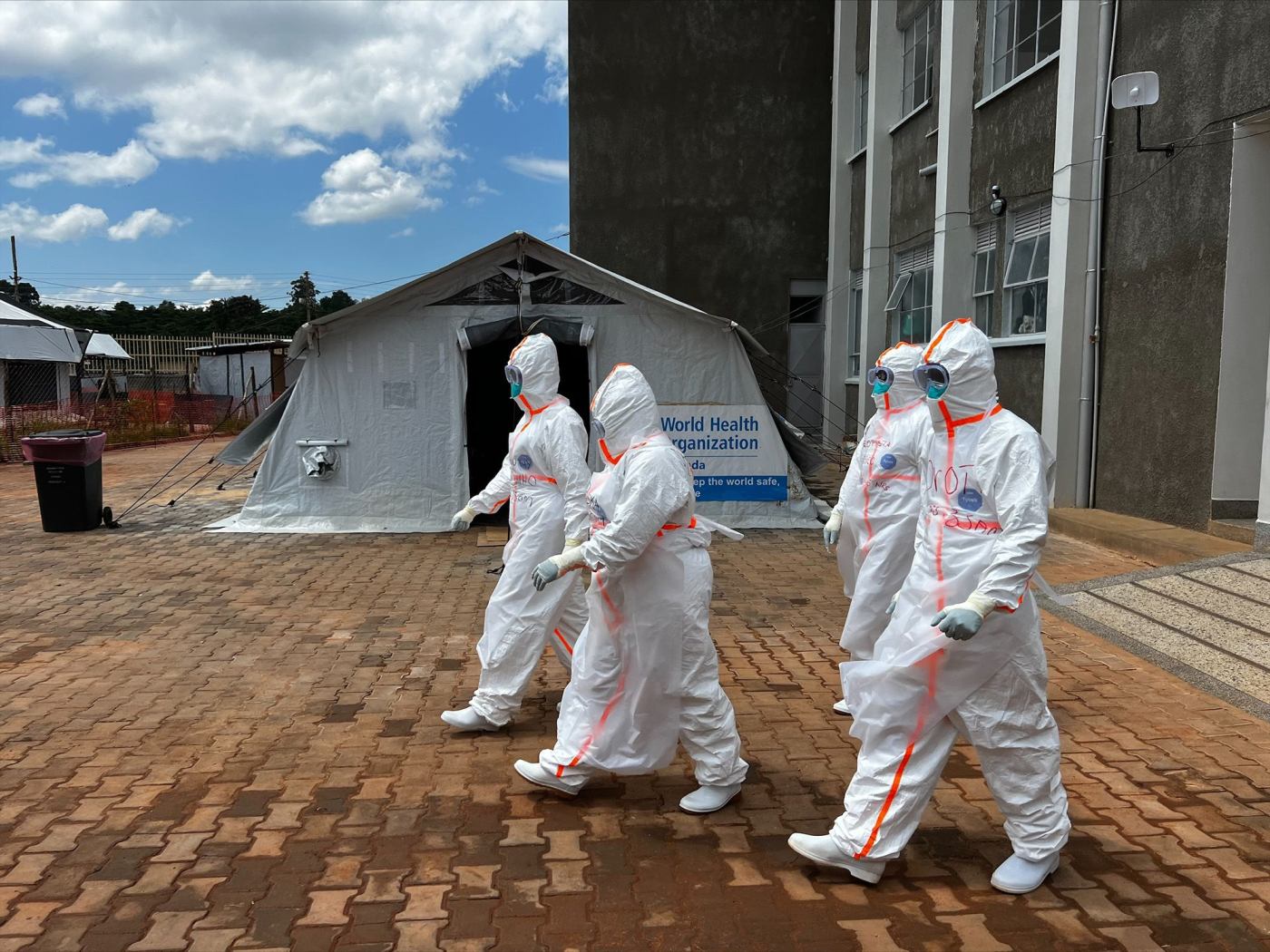
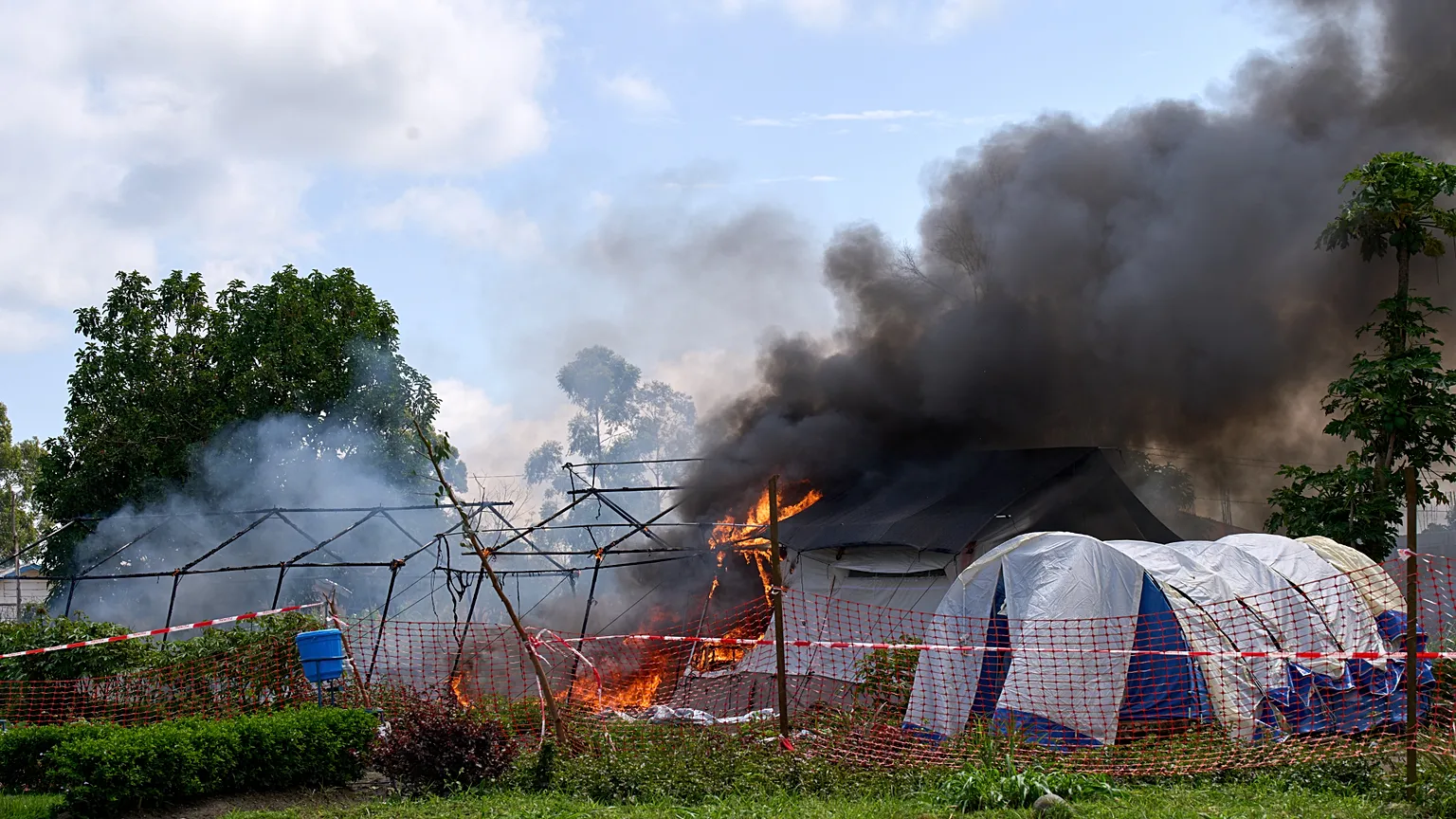
Medical workers at the Rwampara hospital, located near the city of Bunia in Ituri province, where almost all of the cases have been reported, were placed under military protection as the police moved in to restore order.
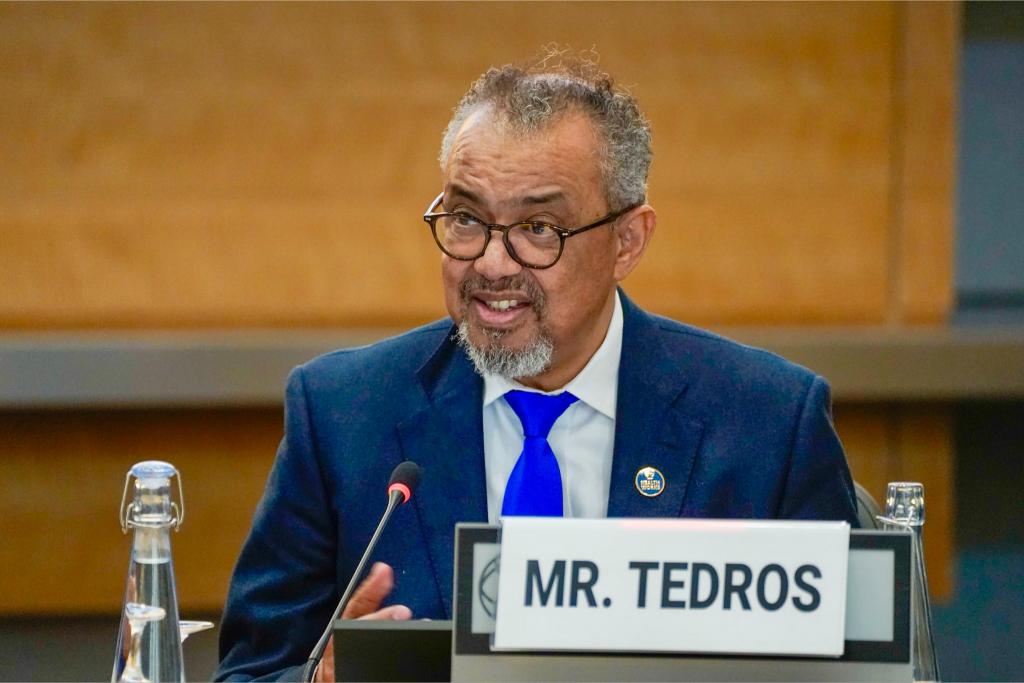
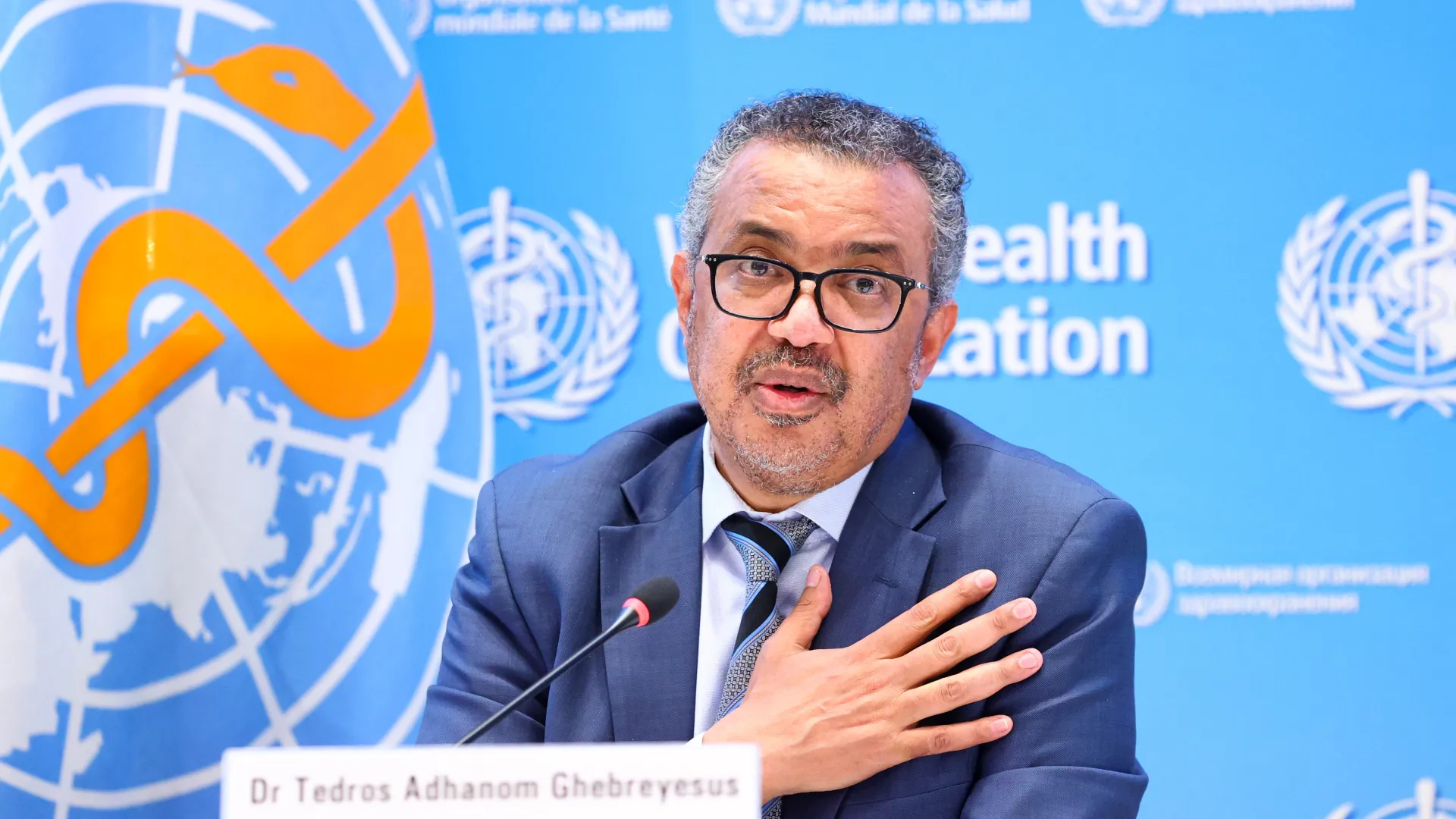
WHO director general Dr Tedros Adhanom Ghebreyesus warned there are currently "significant uncertainties to the true number of infected persons and geographic spread" of the outbreak.
In its World Health Statistics 2026 report, WHO says progress against HIV, tuberculosis, malaria, hepatitis and antimicrobial resistance is not fast enough to meet 2030 targets, and warns funding cuts could worsen outcomes for billions.
The organisation warned that more cases could still be identified due to the conditions on board and the time it takes for symptoms to appear after exposure.
Intensive preparations have been under way to receive the ship in the port of Granadilla and help more than 100 people onto shore to be repatriated.
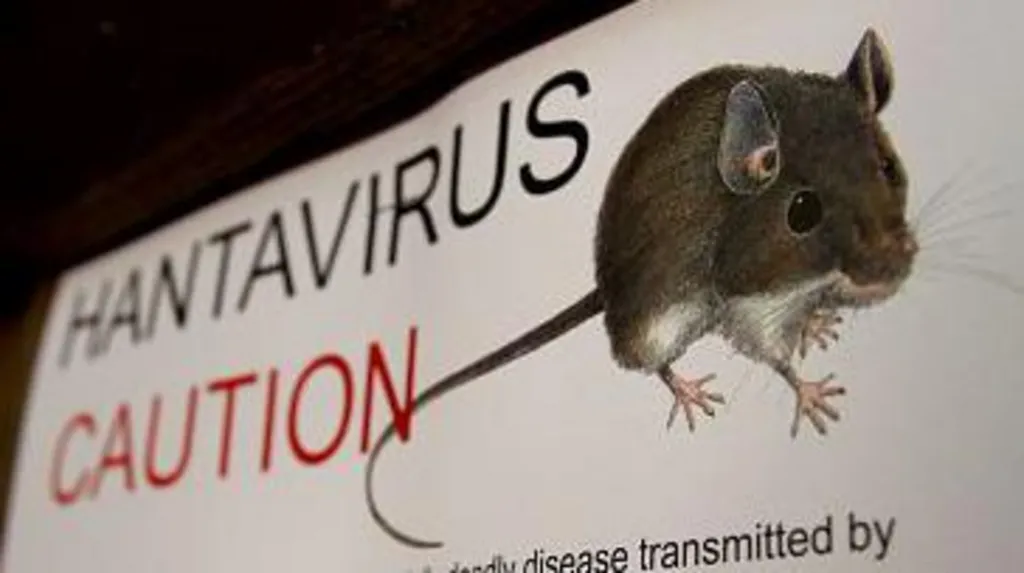
One case of Hantavirus has been confirmed, with five more suspected cases under investigation, it said. One British national is reportedly in intensive care.
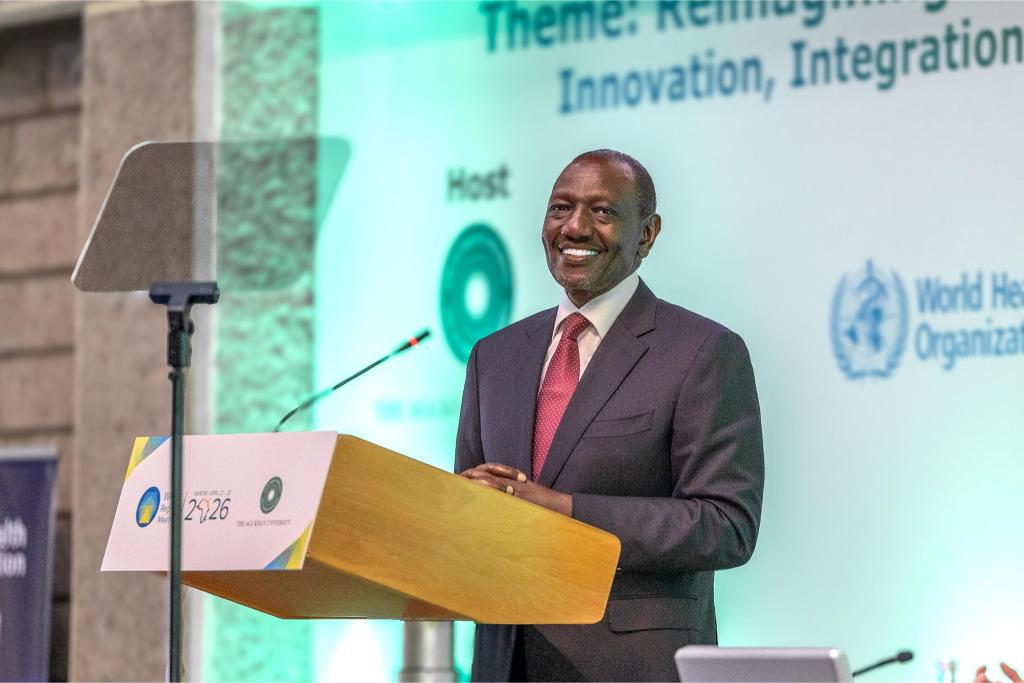
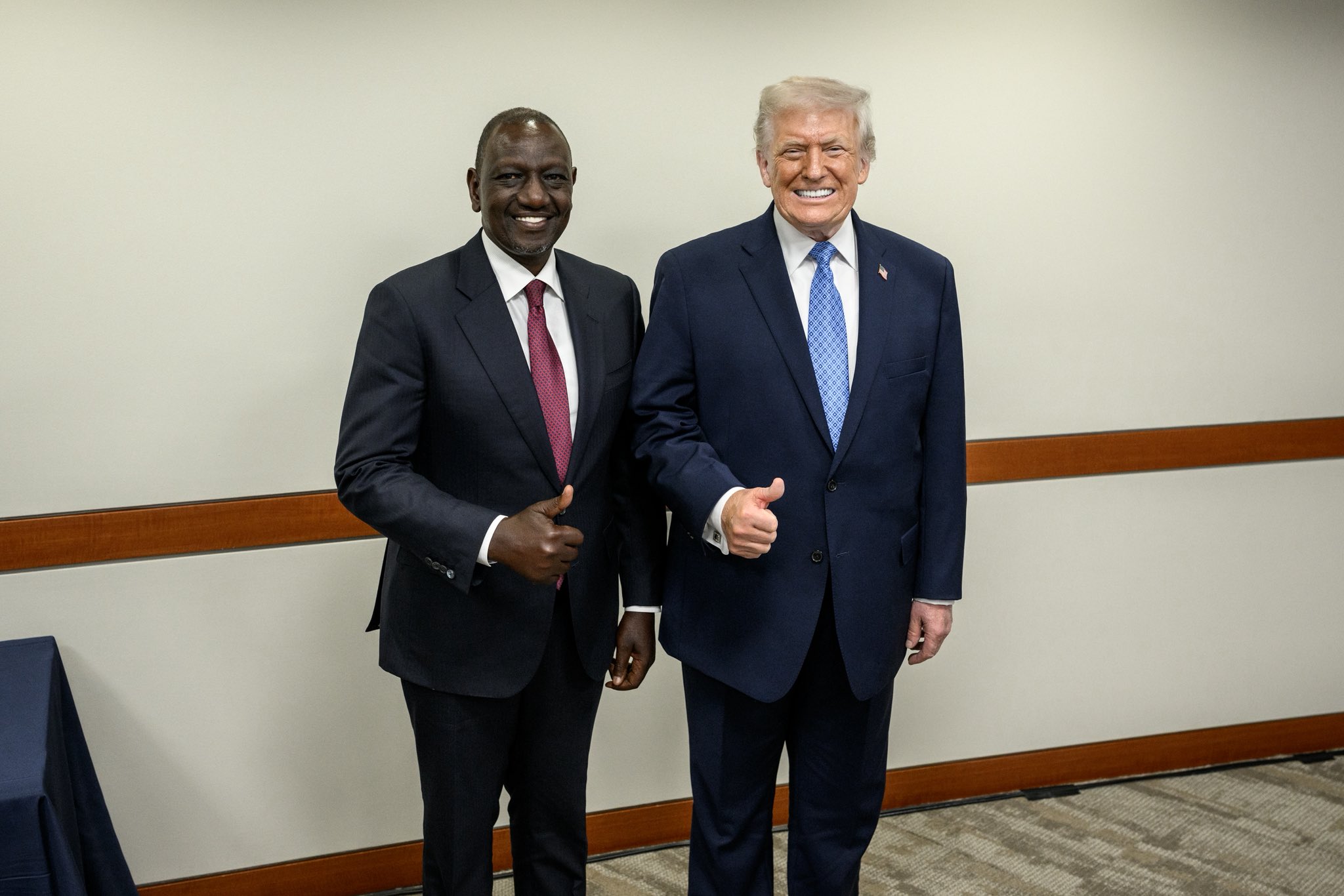
Speaking Monday in Nairobi at the World Health Summit Regional Meeting, President Ruto urged African governments to take primary responsibility for health financing and reforms, warning donor dependence and fragmented systems are weakening resilience.
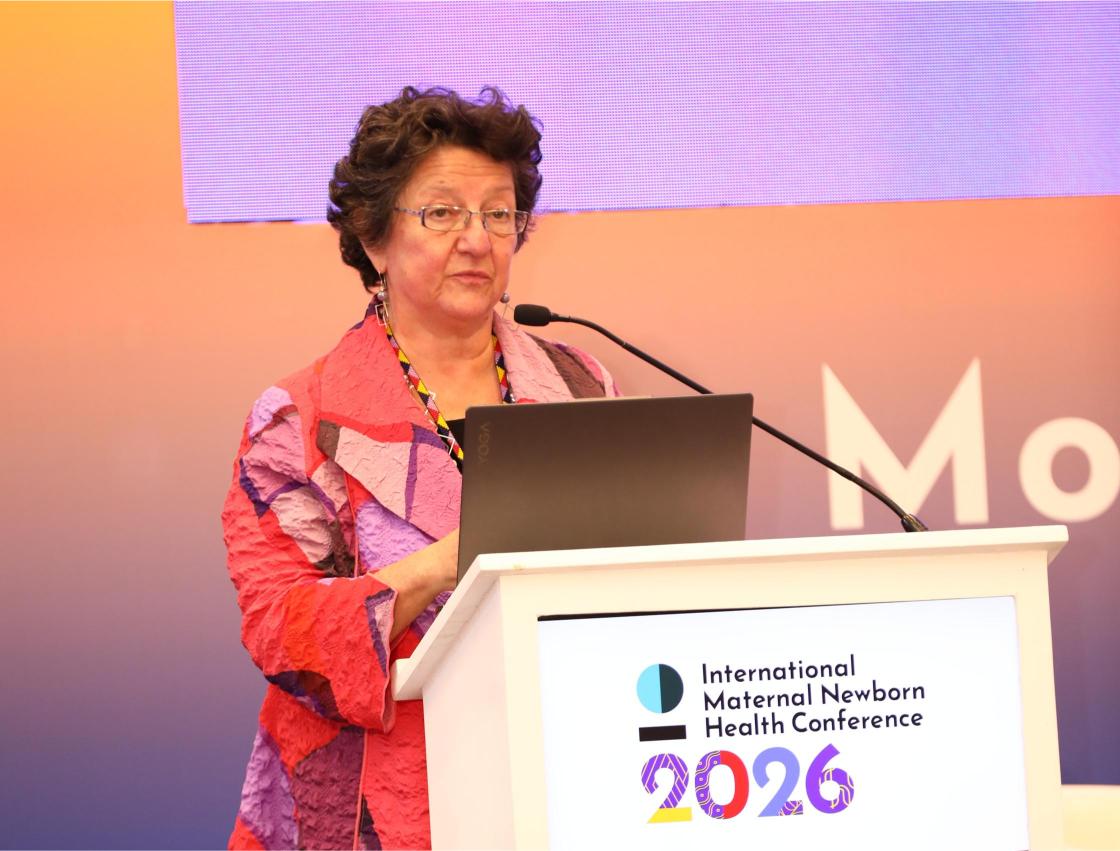
A stillbirth occurs when a baby dies in the womb after a certain stage of pregnancy, typically after 28 weeks, and is widely considered a reflection of the quality of maternal care during pregnancy, labour, and delivery.
In a statement issued on March 22, 2026, the World Health Organization chief said the escalation raises serious concerns about public health and environmental safety, particularly after reports that strikes hit the Natanz Enrichment Complex in Iran and the Israeli city of Dimona, where a nuclear facility is located.
The dead from Friday's attack include 13 children, medical staff and multiple patients, WHO director-general Tedros Adhanom Ghebreyesus said Saturday night.
WHO reports 4.9 million under-five deaths in 2024, warning progress is slowing, with preventable causes, malnutrition and malaria hitting sub-Saharan Africa and South Asia hardest.
The agency urged governments, civil society, and partners across health and education sectors to take urgent action to protect children’s hearing, particularly in low- and middle-income countries where the burden is highest, including regions of Africa and South-East Asia.
Through the programme, the Kenya BioVax Institute will receive complete training in the entire vaccine production process, from research and development to large-scale manufacturing.
In Kenya, about three million people aged 15 to 65 use tobacco products, which are responsible for nearly 9,000 deaths each year, according to the Ministry of Health.
Over the past decade, countries have made steady progress in tackling the diseases. By early 2026, a total of 58 countries had eliminated at least one neglected tropical disease, moving closer to WHO’s global goal of 100 countries achieving elimination by 2030.
Dr Tedros Adhanom Ghebreyesus warned that the US announcement this week that it had formally withdrawn from the WHO “makes both the US and the world less safe”.
Humanitarian and rights organisations have pointed fingers at Sudan’s Rapid Support Forces (RSF), describing the attacks as "a flagrant violation of international humanitarian law, including the protection of civilians, especially children, and vital civilian infrastructure."
The UHC Global Monitoring Report 2025 shows that despite steady improvements since 2000, momentum is fading, especially for the world’s poorest communities, who continue to face the highest costs and the greatest barriers.
Latest WHO data shows an estimated 40.8 million people are living with HIV worldwide, including about 610,000 in the Eastern Mediterranean Region.
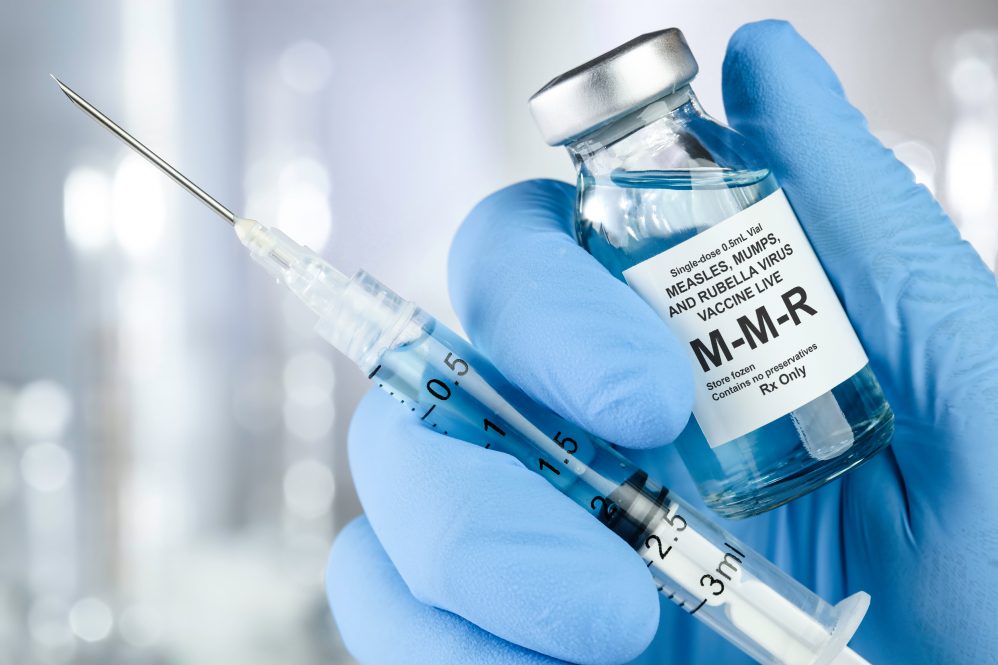
WHO reports that between 2000 and 2024, immunisation efforts prevented nearly 59 million deaths, with overall measles fatalities dropping by 88 per cent. However, the organisation notes that the threat remains serious. In 2024, approximately 95,000 people, mostly children under the age of five, died from measles. WHO stresses that these deaths could have been entirely avoided with timely vaccination.
In 2024, measles cases surged by 86% in the WHO Eastern Mediterranean Region, 47% in Europe, and 42% in South-East Asia, compared with 2019
Over the past decade, access to antiretroviral therapy (ART) has increased from 7.7 million people in 2010 to 31.6 million in 2024, saving millions of lives. However, the rise in ART use has coincided with growing levels of HIV drug resistance.
Recent findings from WHO’s Enhanced Gonococcal Antimicrobial Surveillance Programme (EGASP) show a sharp increase in resistance to essential antibiotics, highlighting a rising public health challenge. Between 2022 and 2024, several countries reported a worrying number of cases where standard treatments no longer work.
In a bid to strengthen the response, WHO released Sh38 million from its Contingency Fund for Emergencies to assist national authorities in handling the situation immediately.
The new framework, titled “Responding to the health financing emergency: immediate measures and longer-term shifts,” provides a set of policy options aimed at protecting critical health services, improving efficiency, and promoting sustainable domestic financing for national health systems.
WHO Director-General Dr. Tedros Adhanom Ghebreyesus said the organization was appalled and deeply shocked by the incident, calling for an immediate and unconditional end to all attacks on health facilities in the conflict-torn country.