
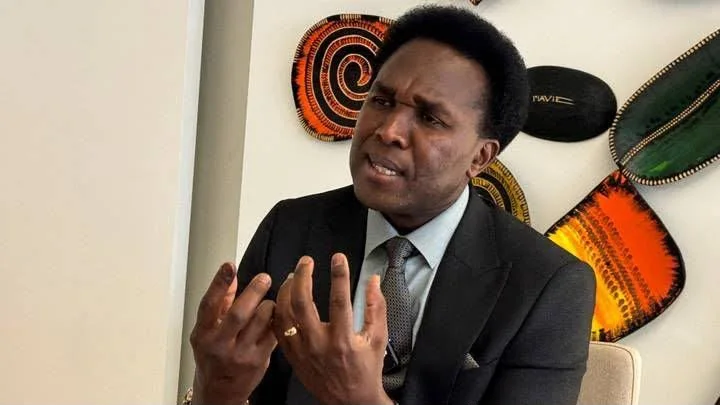
Mozambique has deployed heavy security in its capital, Maputo, ahead of the trial of opposition leader Venâncio Mondlane over his alleged role in the deadly protests that erupted after the disputed 2024 presidential election, in a case that could reopen political tensions in the country.
Mondlane is facing several criminal charges, including incitement to terrorism and civil disobedience, over demonstrations that lasted for months and left hundreds of people dead. He has denied the allegations, maintaining that his calls for protests were intended to push for electoral transparency rather than promote violence.
Police officers have been deployed around the Supreme Court, where the opposition figure was expected to appear on Tuesday, amid fears that the proceedings could trigger fresh demonstrations by his supporters.
Authorities have urged residents to remain calm and respect the legal process, warning against activities that could disrupt public order.
The case is being closely watched as a major test of Mozambique's political stability, nearly two years after the disputed election sparked one of the deadliest periods of political unrest in the country's recent history.
"The trial is a real test for Mozambique. It is an important opportunity to demonstrate that the rule of law applies equally to everyone," said Luis Nhachote, a political analyst.
Mondlane disputed the results of the October 2024 presidential election, which declared Daniel Chapo of the ruling Frelimo party the winner. He accused the authorities of widespread electoral fraud and urged his supporters to join nationwide demonstrations and work stoppages.
The protests spread across the country and continued for several months, with human rights organisations accusing security agencies of using excessive force to contain the unrest.
Amnesty International, citing local civil society organisations, reported that more than 300 people were killed during the demonstrations, making the crisis one of the worst episodes of post-election violence since Mozambique gained independence.
However, Mozambican police gave a lower death toll of 96, including 17 officers who died during the unrest.
European Union observers also questioned the credibility of the election, documenting irregularities in the voting process.
Prosecutors accuse Mondlane of encouraging demonstrations that interfered with public services, caused destruction of property and threatened national security.
Among the charges against him are publicly glorifying criminal acts, incitement to collective disobedience, public instigation to commit crimes and offences related to terrorism.
If found guilty of the most serious charge, Mondlane could spend up to 24 years in prison.
The opposition leader has dismissed the prosecution's claims, insisting that his actions were driven by demands for accountability and openness in the electoral process.
His party, the National Alliance for a Free and Autonomous Mozambique (Anamola), has also condemned the case, describing it as a politically motivated attempt to target the opposition.
However, the Supreme Court has rejected claims that political interests are influencing the proceedings.
Security preparations have intensified ahead of the hearing, with armed police officers patrolling the court's surroundings and major roads across Maputo.
In a statement released on Monday, police called on citizens to "preserve tolerance and peaceful coexistence," while reminding them that the right to demonstrate must be exercised within the law.
The security agency further pledged to safeguard lives and property, saying its operations would focus on prevention and proportionate action in line with the rule of law.
The trial has also drawn attention over restrictions imposed on media coverage, with the court allowing only selected media organisations into the courtroom.
Court officials have defended the decision, citing limited seating space, but journalists and press freedom campaigners have criticised the move, arguing that restricting access could limit public scrutiny of a case with major national implications.
The proceedings are expected to be conducted by a panel of five judges, with both the prosecution and defence expected to present witnesses.
Political observers warn that the outcome and conduct of the trial could have far-reaching consequences for Mozambique, which is still dealing with the political divisions and social effects of the violence that followed the 2024 election.